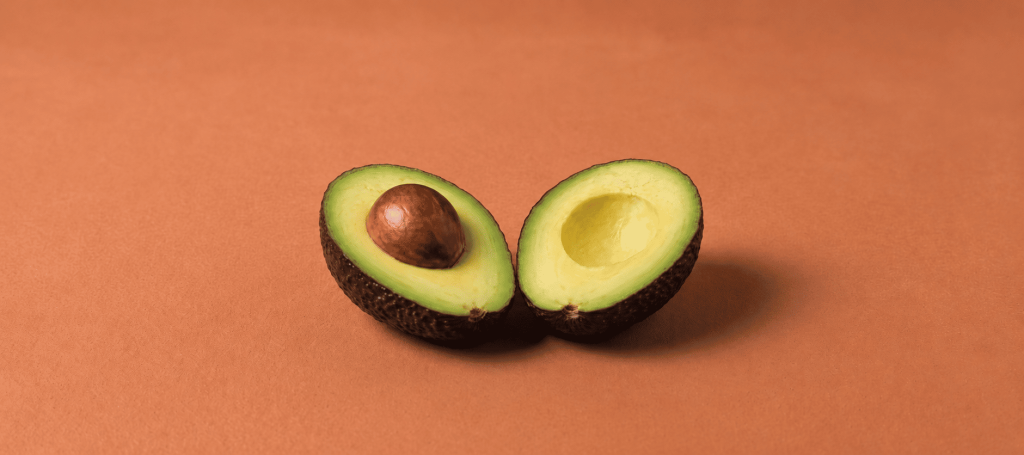
Can Cats Eat Avocado? The Persin Problem, Explained
Don’t intentionally feed avocado to your cat. If your cat steals a small lick of plain flesh, monitor rather than panic.

Don’t intentionally feed avocado to your cat. If your cat steals a small lick of plain flesh, monitor rather than panic.
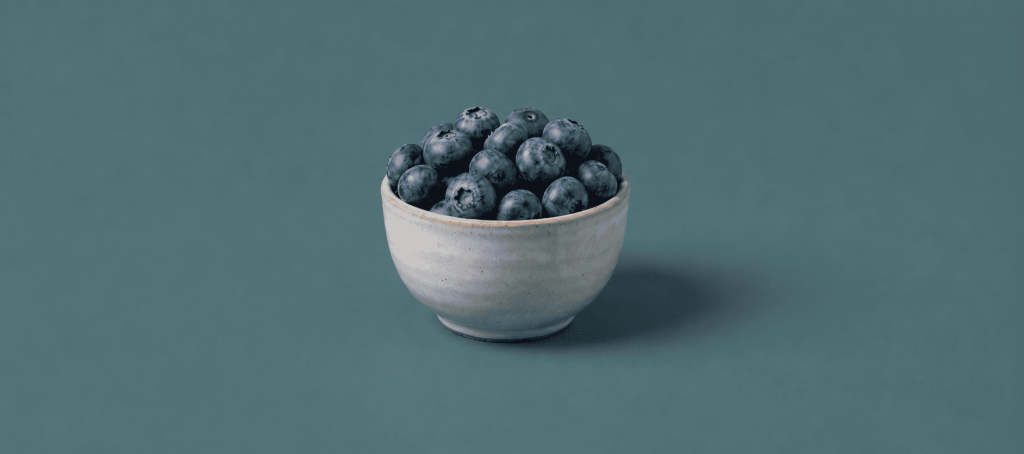
Blueberries are safe, but the “superfood” label doesn’t translate to felines. Cats process plant compounds entirely differently than humans.

A small piece of peeled, seedless apple flesh is not toxic to a healthy adult cat. But the full answer involves a hidden chemical weapon embedded in every apple’s seeds.

This guide explains what makes a kidney-friendly diet different, what the research actually shows, and which vet-recommended options are worth asking about.

Yes, most cats can safely eat shrimp — but only if it’s thoroughly cooked, completely plain, shell-free, and served in small amounts as an occasional treat.
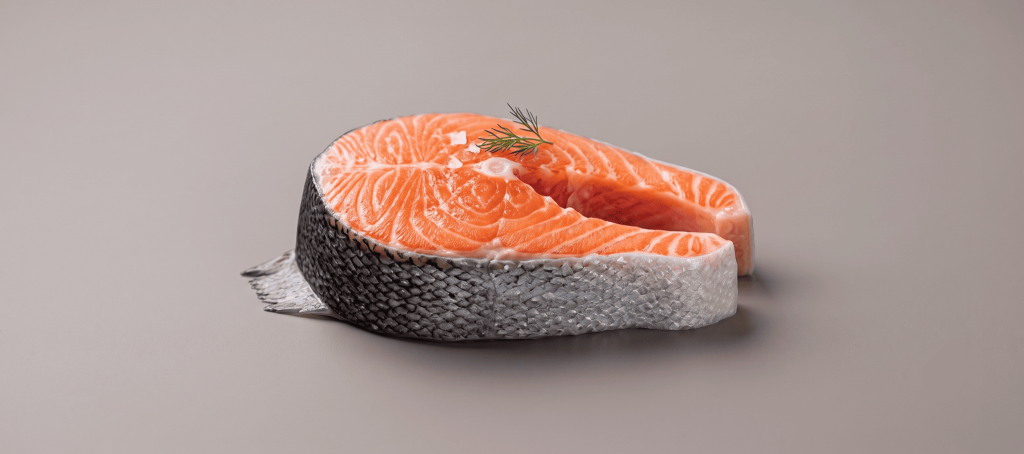
Salmon is one of the very few human foods that veterinarians actually endorse as a cat treat.
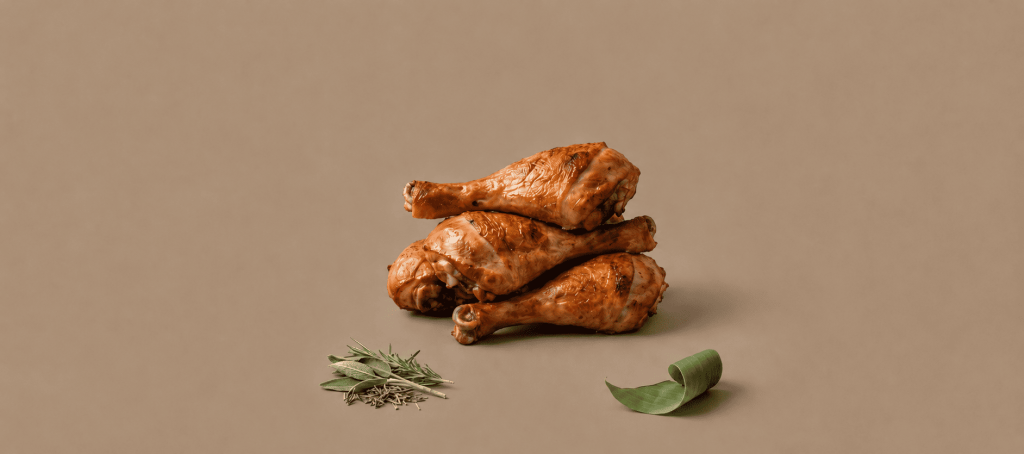
Yes — plain, fully cooked, boneless, skinless, unseasoned turkey meat is safe and even beneficial for cats.
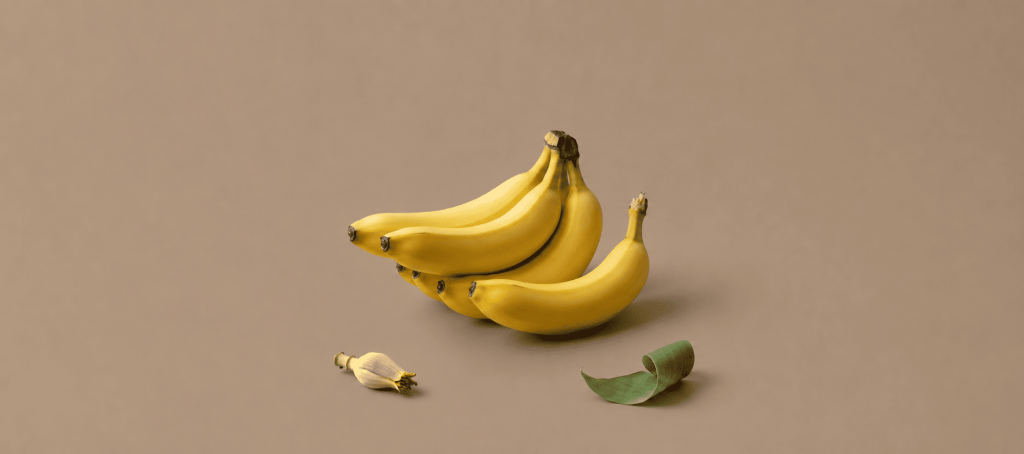
Yes, cats can technically eat banana. Bananas are listed as non-toxic to cats by the ASPCA But “non-toxic” is not the same as “good for them.”
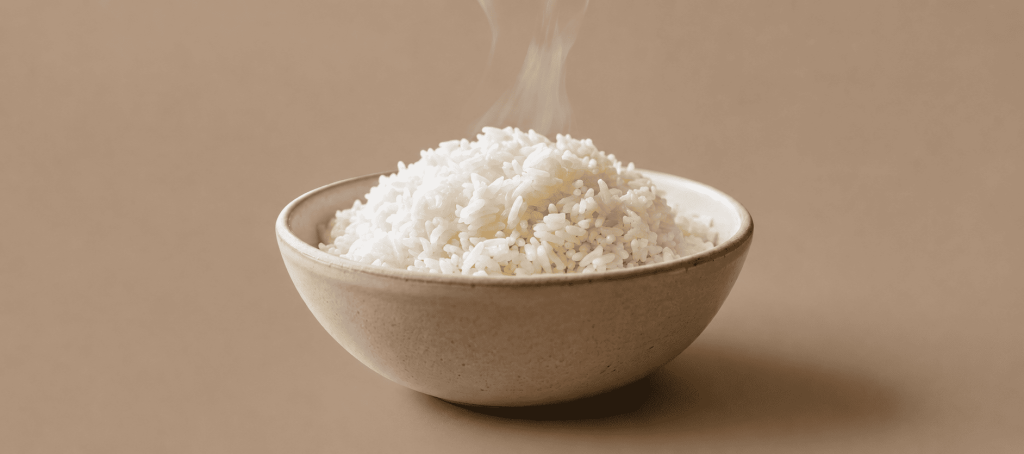
Yes — cats can safely eat small amounts of plain, fully cooked white or brown rice as an occasional treat.

A tiny piece of plain, fully baked bread probably won’t harm a healthy adult cat. But the full answer involves a potentially fatal emergency (raw dough).