
Can Cats Drink Milk? Myth vs. Reality
No, most adult cats should not drink cow’s milk. The vast majority of adult cats are lactose intolerant, meaning milk can cause stomach upset, gas, and diarrhea.

No, most adult cats should not drink cow’s milk. The vast majority of adult cats are lactose intolerant, meaning milk can cause stomach upset, gas, and diarrhea.

Yes, cats can eat strawberries in small amounts. Strawberries are not toxic to cats, but they are not a natural or necessary part of a feline diet.

The short answer is that a small, occasional amount of dog food is unlikely to cause serious harm, but it should never become a habit, and it absolutely cannot replace a proper cat diet.
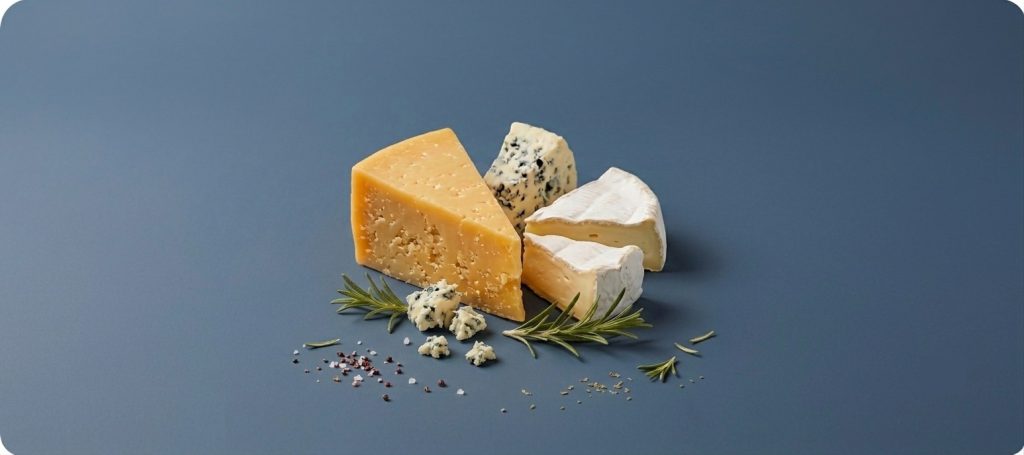
Can cats eat cheese? The short answer is: technically yes, in very small amounts — but it’s complicated, and it’s definitely not recommended as a regular treat.

Yes, cats can eat eggs—and they’re a great source of protein. Plain, fully cooked eggs are a safe, nutritious treat for most healthy cats. Raw eggs, on the other hand, carry real risks and are best avoided.

Yes, cats can eat chicken—and most love it. Plain, cooked, boneless chicken is a safe, protein-rich treat for healthy cats. But the details matter.
This guide covers every food that is toxic or dangerous to cats — organized by danger level, with symptoms to watch for and exactly what to do in an emergency.

Yes, but only as an occasional treat — not a regular meal. Tuna is not toxic to cats, but feeding it too often can lead to mercury poisoning, nutritional deficiencies, and digestive issues.