Cats are curious creatures. One second, they are napping peacefully; the next, they are investigating whatever is on your kitchen counter. If that happens to be garlic, grapes, or chocolate, you could have a serious problem on your hands.
This guide covers every food that is toxic or dangerous to cats — organized by danger level, with symptoms to watch for and exactly what to do in an emergency. Bookmark this page and share it with anyone who has a cat.
ASPCA Animal Poison Control: 888-426-4435 (24/7, US)
Pet Poison Helpline: 1-800-213-6680 (24/7, US)
If you think your cat has eaten something toxic, do not wait for symptoms. Call immediately.
How We Organized This List
Not all toxic foods are equally dangerous. Some will send your cat to the emergency vet within hours. Others cause problems only in large amounts or with repeated exposure. We have organized this list into three danger levels so you know exactly how concerned to be.
- Severe: Even a small amount can be life-threatening. Act immediately.
- High: Dangerous and requires prompt veterinary attention.
- Caution: Problematic in larger amounts or with regular feeding.
Severe Toxicity — These Can Be Lethal
These foods represent the highest danger to your cat. Do not wait for symptoms to appear if your cat eats any of these — call your vet or an emergency animal poison control line right away.
1. Garlic
Garlic is the most toxic food for cats, pound for pound. It belongs to the allium family and contains compounds called organosulfides that damage red blood cells, causing a condition called hemolytic anemia. Garlic is approximately five times more toxic to cats than onions.
Every form is dangerous — raw, cooked, dried, and powdered. Garlic powder is particularly dangerous because it is concentrated. Even small amounts hidden in sauces, broths, or baby food can cause serious harm.
Symptoms: Lethargy, pale or yellowish gums, rapid breathing, weakness, reduced appetite, brown or red urine. Symptoms may not appear for several days after exposure.
2. Onions and Chives
Like garlic, onions and chives contain organosulfides that destroy red blood cells. Onion toxicity can occur from a single large exposure or from repeated small exposures over time. All forms are dangerous — raw, cooked, dehydrated, or powdered.
Chives are particularly sneaky because they are often used as garnishes and seem harmless. They are not. Every part of the chive plant, including the leaves and flowers, is toxic to cats.
Symptoms: Vomiting, diarrhea, lethargy, pale gums, loss of appetite, weakness.
3. Chocolate
Chocolate contains two toxic compounds for cats — theobromine and caffeine. Cats metabolize these much more slowly than humans, allowing them to build up to toxic levels quickly. Dark chocolate and baking chocolate are the most dangerous because they contain the highest concentration of theobromine. Milk chocolate is less dangerous but still harmful.
Even a small amount of dark chocolate can cause serious symptoms in a cat. White chocolate contains very little theobromine but still has enough fat and sugar to cause digestive problems.
Symptoms: Vomiting, diarrhea, restlessness, excessive thirst and urination, racing heart, muscle tremors, seizures.
4. Grapes and Raisins
Grapes and raisins can cause sudden, acute kidney failure in cats. What makes this particularly alarming is that scientists still do not know exactly which compound causes the toxicity, which means there is no known safe amount. Even a single grape could theoretically be dangerous.
Raisins are more dangerous than fresh grapes because they are more concentrated. Watch for raisins hidden in baked goods, trail mix, and cereals.
Symptoms: Vomiting, diarrhea, lethargy, loss of appetite, abdominal pain, decreased or no urination. Kidney failure symptoms typically appear within 24 hours.
5. Xylitol
Xylitol is an artificial sweetener found in sugar-free gum, candy, some peanut butters, toothpaste, mouthwash, and even some vitamin supplements. While research on xylitol toxicity in cats is less extensive than in dogs, it is considered dangerous and should be kept far away from cats.
In dogs, xylitol causes a rapid insulin release leading to dangerous low blood sugar and potential liver failure. Similar effects are expected in cats.
Symptoms: Vomiting, lethargy, loss of coordination, seizures, jaundice.
6. Alcohol
Cats are far more sensitive to alcohol than humans. Even a tablespoon of any alcoholic beverage can cause serious problems. Alcohol is absorbed quickly through the stomach and can cause severe intoxication, breathing problems, dangerously low blood sugar, and in serious cases, coma and death.
Be aware that alcohol is not limited to drinks. It is present in some mouthwashes, raw bread dough (as yeast ferments), and certain medications.
Symptoms: Vomiting, disorientation, staggering, slow breathing, low body temperature, seizures.
7. Caffeine
Caffeine is found in coffee, tea, energy drinks, some soft drinks, chocolate, and certain medications. Like theobromine, cats metabolize caffeine slowly, allowing it to reach toxic levels quickly. Even a small amount of strong coffee or energy drink can be dangerous.
Symptoms: Restlessness, rapid breathing, heart palpitations, muscle tremors, seizures. Symptoms typically appear within one to two hours of ingestion.
High Toxicity — Requires Prompt Vet Attention
These foods are dangerous and require a vet visit, but the urgency level is slightly lower than the severe category. Do not wait overnight or over a weekend if your cat has consumed any of these.
1. Raw Dough with Yeast
Raw bread dough containing live yeast is dangerous for two reasons. First, yeast continues to expand in the warm environment of a cat’s stomach, causing painful bloating that can lead to a ruptured stomach. Second, as yeast ferments, it produces alcohol — causing ethanol poisoning on top of the bloat.
Symptoms: Distended abdomen, vomiting, weakness, disorientation, staggering.
2. Avocado
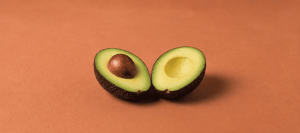
All parts of the avocado plant — the flesh, pit, skin, and even the leaves — contain a fungicidal toxin called persin. While persin is most dangerous for birds and large animals, it can cause vomiting, diarrhea, and respiratory distress in cats. The high fat content also puts cats at risk of pancreatitis.
Symptoms: Vomiting, diarrhea, difficulty breathing, fluid accumulation around the lungs.
3. Macadamia Nuts
The exact toxic compound in macadamia nuts is unknown, but their effects in pets are well documented. While more commonly reported in dogs, macadamia nuts should be kept away from cats as well. Symptoms typically appear within 12 hours of ingestion.
Symptoms: Weakness particularly in back legs, tremors, fever, vomiting, lethargy.
4. Leeks
Leeks are part of the allium family, the same group as garlic and onions. They contain the same organosulfide compounds that cause red blood cell damage and anemia in cats. All parts of the leek including the leaves are toxic.
Symptoms: Vomiting, diarrhea, lethargy, pale gums, weakness.
5. Wild Mushrooms
Many species of wild mushrooms are highly toxic to cats and can cause liver failure, kidney failure, and death. The tricky part is that mushrooms that are perfectly safe for humans can be deadly for cats. Never let your cat near wild mushrooms in the garden or on walks. Store-bought culinary mushrooms like button mushrooms are generally considered safe in small amounts, but wild varieties are a completely different matter.
Symptoms: Depend on the mushroom species but can include vomiting, diarrhea, drooling, weakness, tremors, seizures, and organ failure.
Caution — Problematic in Larger Amounts
These foods are not immediately life-threatening in small amounts, but they can cause significant health problems with regular feeding or in larger quantities. They should not be a regular part of your cat’s diet.
1. Raw Fish
Feeding raw fish regularly is a common mistake cat owners make — after all, cats love fish. The problem is that raw fish contains an enzyme called thiaminase that destroys thiamine (Vitamin B1). Thiamine deficiency leads to serious neurological problems over time. Raw fish can also carry bacteria and parasites. Cooked fish served occasionally is perfectly safe.
2. Green Tomatoes and Tomato Plant
Ripe red tomatoes are generally considered safe in small amounts, but green unripe tomatoes and all parts of the tomato plant — leaves, stems, and unripe fruit — contain solanine and tomatine, compounds that are toxic to cats. If you grow tomatoes, keep cats away from the plants.
3. Raw Potato
Like green tomatoes, raw potatoes and the potato plant contain solanine. Cooked potato without skin is generally considered safe in small amounts, but raw potato and potato skin should be avoided.
4. Nutmeg
Nutmeg contains a compound called myristicin that is toxic to cats in larger amounts. It is rarely something a cat would seek out on its own, but watch for it in baked goods and spiced foods you might accidentally share.
Symptoms: Disorientation, high heart rate, dry mouth, abdominal pain, seizures.
5. Salt
Small amounts of salt are fine for cats — it is present in all commercial cat food. The problem arises with excessive amounts. Too much salt causes sodium ion poisoning. Do not add salt to homemade cat food and keep salty snacks like chips and pretzels away from your cat.
Symptoms: Excessive thirst and urination, vomiting, diarrhea, lethargy, tremors, seizures.
6. Cow’s Milk and Dairy
The image of a cat happily lapping up a bowl of milk is classic — and largely wrong. Most adult cats are lactose intolerant. They lack sufficient lactase enzyme to properly digest lactose, the sugar in milk. Drinking cow’s milk typically causes digestive upset including vomiting and diarrhea. Hard cheeses have less lactose and are less problematic in very small amounts, but dairy as a regular addition to your cat’s diet will cause problems.
7. Dog Food
Dog food is not toxic in the sense that a bite of your dog’s kibble will not cause an emergency. However, cats fed dog food regularly will develop serious nutritional deficiencies. Cats are obligate carnivores with specific dietary needs — including taurine, arachidonic acid, and Vitamin A — that dog food does not adequately provide. Long-term feeding of dog food leads to heart disease, vision problems, and other serious conditions.
8. Cooked Bones
Cooked bones splinter into sharp shards that can puncture your cat’s mouth, throat, stomach, or intestines. This is a choking hazard and can cause internal bleeding. Raw bones are far safer if you choose to feed them at all, but always supervise your cat with any bone.
What to Do If Your Cat Eats Something Toxic
Stay calm and act quickly. Here is exactly what to do:
- Do not wait for symptoms. By the time symptoms appear, significant damage may already have occurred. Call for help immediately.
- Call your vet or an emergency animal poison control line. ASPCA Animal Poison Control: 888-426-4435. Pet Poison Helpline: 1-800-213-6680. Both are available 24/7 in the US.
- Know what your cat ate. Try to identify exactly what was eaten and roughly how much. If possible, bring the packaging or a sample to the vet.
- Do not induce vomiting unless a vet explicitly tells you to. In some cases, inducing vomiting can cause additional harm.
- Do not give home remedies or wait to see if your cat feels better on its own.
Foods That Are Safe for Cats
Now that you know what to avoid, here is a quick overview of foods that are safe for cats as occasional treats. Cooked chicken and turkey, cooked salmon and other fish, plain cooked eggs, plain cooked rice, carrots, blueberries, pumpkin, and plain cooked broccoli are all generally safe options.
For a full breakdown of safe foods with serving sizes and preparation tips, check out our complete guide to safe foods for cats on CatFoodCheck.com. You can also use our Food Safety Checker on the homepage to instantly check any food.
Frequently Asked Questions
What is the most toxic food for cats?
Garlic is considered the most toxic food for cats based on the amount needed to cause harm. It is approximately five times more toxic than onions. However, all foods on the severe list above — including chocolate, grapes, and xylitol — can be life-threatening in small amounts.
Can cats eat a tiny amount of onion?
No safe amount of onion has been established for cats. Even small amounts can cause red blood cell damage, and the effects can be cumulative with repeated small exposures. It is best to avoid onion entirely.
My cat ate a grape — what should I do?
Call your vet or the ASPCA Animal Poison Control Center (888-426-4435) immediately, even if your cat seems fine. Grape toxicity can cause kidney failure and symptoms may not appear for 24 hours. Do not wait.
Is tuna safe for cats?
Tuna is safe as an occasional treat but should not be fed daily or as a staple food. Regular tuna consumption can lead to mercury toxicity and thiamine deficiency. Canned tuna in water is the safest form. For a full breakdown, see our guide: Can Cats Eat Tuna?
Can cats eat peanut butter?
Plain peanut butter without xylitol is not acutely toxic to cats, but it offers no nutritional value for them and is very high in fat. The main danger is peanut butter containing xylitol — always check the label. For more detail, see our guide: Can Cats Eat Peanut Butter?
The Bottom Line
The safest rule with cats and human food is simple: when in doubt, leave it out. Cats do not need human food to thrive. A high-quality commercial cat food provides everything they need nutritionally.
When you do want to share something with your cat, stick to the known-safe list — cooked meats, plain cooked eggs, certain vegetables — in small amounts as occasional treats. And keep this page bookmarked so you always have the toxic foods list within reach.
Use our Food Safety Checker to instantly look up any food, or browse our full collection of cat food safety guides to learn more about specific foods your cat might encounter.