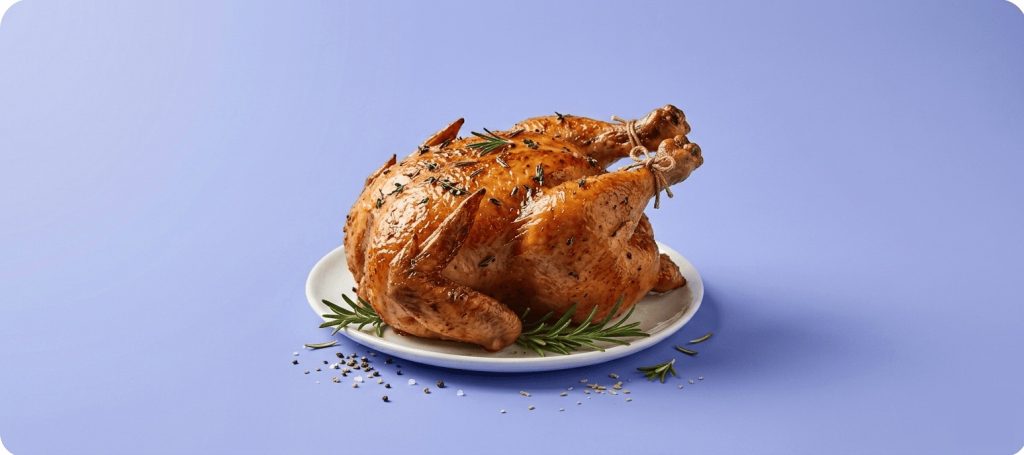
Short answer: Yes, cats can eat chicken—and most love it. Plain, cooked, boneless chicken is a safe, protein-rich treat for healthy cats. But the details matter. Raw chicken carries real risks, cooked chicken bones can be dangerous, and even “safe” chicken can cause problems if it’s seasoned, fatty, or fed in the wrong amounts.
This guide breaks down everything you need to know about feeding your cat chicken: cooked vs. raw, the truth about bones, safe portion sizes, preparation tips, and the warning signs that mean a trip to the vet.
Quick disclaimer: This article is for general educational purposes and is not a substitute for veterinary advice. Always consult your veterinarian before making changes to your cat’s diet, especially if your cat has a health condition.
Is Chicken Good for Cats?
Cats are obligate carnivores, which means their bodies are built to run on animal protein. Unlike dogs (and unlike humans), cats must get certain nutrients—most importantly the amino acid taurine—from meat. Their systems can’t manufacture enough of these nutrients on their own.
This is exactly why chicken is such a natural fit for the feline diet. Chicken provides:
- High-quality, lean animal protein to support muscle, organs, and energy.
- Taurine, essential for heart function, vision, and reproduction.
- B vitamins and important minerals like phosphorus and selenium.
- A highly digestible, palatable protein most cats accept easily.
Because of these qualities, chicken is one of the most common protein bases in commercial cat foods. As a fresh treat or food topper, it can be a great addition—as long as it’s prepared correctly.
The big caveat: Plain chicken is not a complete and balanced diet. It lacks the calcium, fatty acids, vitamins, and trace minerals a cat needs every day. Chicken should complement a nutritionally complete cat food, not replace it.
Can Cats Eat Cooked Chicken?
Yes. Plain, fully cooked chicken is the safest way to feed chicken to your cat. It’s the option most veterinarians are comfortable recommending because cooking kills the bacteria and parasites that make raw meat risky.
How to prepare cooked chicken for cats
To keep it safe and healthy, follow these rules:
- Cook it thoroughly. No pink in the middle. Aim for an internal temperature of 165°F (74°C).
- Keep it plain. No salt, oil, butter, sauces, or marinades.
- No onion or garlic—ever. These (and other allium ingredients) are toxic to cats and can damage red blood cells.
- Remove the skin. Chicken skin is high in fat and can cause digestive upset or contribute to weight gain.
- Remove all bones. Even soft-looking cooked bones can splinter (more on this below).
- Boil, bake, steam, or grill—don’t fry. Avoid added fats and breading.
- Cut it into small, bite-sized pieces to prevent choking.
- Serve it lukewarm or at room temperature, never hot.
Boiled or baked plain chicken breast is the gold standard. It’s lean, gentle on the stomach, and is often recommended by vets as part of a bland diet for cats recovering from mild stomach upset.
Can Cats Eat Raw Chicken?
This is where things get more complicated. Cats can physically eat raw chicken, and in the wild, feline ancestors ate raw prey. But feeding store-bought raw chicken at home comes with genuine risks.
The risks of raw chicken
- Bacterial contamination. Raw poultry commonly carries Salmonella, Campylobacter, and Listeria. These can make your cat sick—and can spread to humans in your household through contaminated bowls, surfaces, and your cat’s litter or saliva.
- Parasites. Raw meat can harbor parasites such as Toxoplasma gondii.
- Nutritional imbalance. Raw chicken alone is not balanced. Homemade raw diets that aren’t carefully formulated can lead to serious deficiencies over time.
Major veterinary organizations, including the American Veterinary Medical Association (AVMA), generally discourage feeding raw or undercooked animal protein to pets, largely because of the disease-transmission risk to both pets and people.
If you still want to feed raw
Some owners feed raw diets and report good results. If you go this route, reduce the risks:
- Talk to your vet or a veterinary nutritionist first, especially for kittens, senior cats, pregnant cats, or cats with any illness or weakened immune system.
- Use a commercially prepared, complete-and-balanced raw diet rather than improvising at home. Look for products that meet AAFCO nutritional standards.
- Practice strict hygiene—wash hands, bowls, and surfaces; store and thaw meat safely.
- Never feed raw to immunocompromised cats or in homes with infants, elderly, pregnant, or immunocompromised people.
Bottom line: Cooked chicken is the lower-risk choice. Raw can be done, but only thoughtfully and ideally with professional guidance.
Can Cats Eat Chicken Bones?
This is the most important safety question—and the answer depends entirely on cooked vs. raw.
Cooked chicken bones: NO
Never feed your cat cooked chicken bones. Cooking dries out bones and makes them brittle, so they splinter into sharp shards when chewed. These splinters can cause:
- Choking
- Cuts to the mouth, throat, esophagus, or stomach
- Internal punctures and life-threatening blockages
This includes bones from roast chicken, fried chicken, rotisserie chicken, wings, and drumsticks. Keep these well out of reach—cats are notorious for stealing leftovers off the counter or out of the trash.
Raw chicken bones: Risky, with conditions
Raw bones are more flexible and less likely to splinter than cooked bones, and some raw-feeding owners offer small raw bones (like chicken necks or wing tips) for dental benefits. However, they still carry real hazards:
- Choking on a piece that breaks off.
- Intestinal blockage from swallowed fragments.
- Cracked or broken teeth from hard chewing.
- Bacterial contamination, since they’re raw.
If you ever consider feeding raw bones, discuss it with your veterinarian first, choose appropriately small bones, and always supervise your cat closely. For most pet owners, the safest approach is to skip bones altogether and use a vet-recommended dental treat or chew instead.
What to do if your cat eats a chicken bone
If your cat swallows a chicken bone—especially a cooked one—contact your veterinarian or an emergency clinic right away. Watch for:
- Gagging, coughing, or pawing at the mouth
- Drooling or difficulty swallowing
- Vomiting or retching
- Loss of appetite or lethargy
- Blood in stool, or straining/inability to pass stool
- A hard, painful, or swollen belly
Do not try to induce vomiting unless a vet tells you to—a sharp bone can do more damage coming back up.
How Much Chicken Can a Cat Eat?
Even safe foods cause problems in the wrong amounts. The guiding rule for cats is the 10% rule: treats and “extras” (including chicken) should make up no more than 10% of your cat’s total daily calories. The other 90% should come from a complete and balanced cat food.
As a rough, general guide for an average adult cat:
- A small treat amount is about 1–2 tablespoons of cooked, chopped chicken, a few times a week.
- Smaller cats and kittens need less; ask your vet for a portion suited to your individual cat.
Feeding too much chicken can:
- Unbalance the diet, leading to nutrient deficiencies if chicken replaces complete food.
- Cause weight gain and obesity-related issues.
- Trigger digestive upset like vomiting or diarrhea, especially if introduced too fast.
When introducing chicken for the first time, start with a tiny amount and watch for any reaction over the next 24–48 hours.
Can Kittens Eat Chicken?
Yes—small amounts of plain, fully cooked, boneless, finely chopped chicken can be an occasional treat for kittens once they’re eating solid food (typically around 8+ weeks). But kittens have demanding nutritional needs for growth, so the vast majority of their diet must come from a complete-and-balanced kitten food. Keep chicken to tiny portions and check with your vet.
Foods and Add-Ins to Avoid
When preparing chicken for your cat, steer clear of these common dangers:
- Onion and garlic (and chives, leeks, shallots)—toxic to cats; can cause anemia.
- Salt and salty seasonings—excess sodium is harmful.
- Cooking oils, butter, and fatty gravies—can cause stomach upset and pancreatitis risk.
- Spices and sauces—including BBQ, teriyaki, and most marinades.
- Bones—especially cooked (see above).
- Chicken skin—too fatty for regular feeding.
- Processed chicken—deli meat, nuggets, and breaded chicken are too high in salt, fat, and additives.
Signs of a Chicken Allergy in Cats
Chicken is actually one of the more common food allergens in cats. While most cats tolerate it well, watch for signs of food sensitivity:
- Itchy skin, excessive scratching, or over-grooming
- Skin redness, scabs, or hair loss
- Recurrent ear infections
- Vomiting or diarrhea
- Chronic digestive upset
If you notice these symptoms after feeding chicken, stop offering it and consult your veterinarian, who can help identify the cause.
Frequently Asked Questions (FAQ)
Can cats eat chicken every day? Plain cooked chicken can be offered regularly as part of the 10% treat allowance, but it shouldn’t replace a complete and balanced cat food. For daily feeding beyond small treats, talk to your vet about a properly formulated diet.
Can cats eat raw chicken safely? It’s possible but risky due to bacteria like Salmonella and Campylobacter. Cooked chicken is safer. If you choose raw, use a commercially prepared, balanced raw product and consult your vet first.
Can cats eat chicken bones? Never feed cooked chicken bones—they splinter and can cause choking or internal injury. Raw bones are less brittle but still pose choking, blockage, and dental risks, so most owners should avoid them.
Can cats eat rotisserie chicken? Only the plain, skinless, boneless meat in small amounts. Rotisserie chicken is usually heavily seasoned and salty, and the skin and bones are unsafe—so it’s best to avoid or use very sparingly.
Can cats eat fried chicken? No. Fried chicken is high in fat, salt, oil, and breading, and the bones are hazardous. It can cause stomach upset and other health problems.
Is chicken broth okay for cats? Plain, unsalted, onion- and garlic-free chicken broth can be a hydrating treat in small amounts. Avoid store-bought broths, which usually contain salt, onion, or garlic.
Can cats eat chicken liver or other organs? In tiny amounts, organ meat offers nutrients—but liver is very high in vitamin A, and too much can be toxic over time. Feed only occasionally and in very small quantities.
The Bottom Line
So, can cats eat chicken? Yes—and it can be a healthy, protein-packed treat your cat will love. Just remember the essentials:
- Cooked, plain, boneless, skinless chicken is the safest choice.
- Raw chicken carries bacterial and parasite risks; proceed only with care and vet guidance.
- Cooked bones are dangerous—never feed them; raw bones are risky too.
- Keep chicken to about 10% of daily calories and feed a complete, balanced diet for the rest.
- Skip the seasoning, skin, and frying, and avoid onion and garlic entirely.
When in doubt, check with your veterinarian—especially for kittens, senior cats, or cats with health conditions. Feed it right, and chicken can be a delicious, safe addition to your cat’s routine.
Was this guide helpful? Share it with a fellow cat parent, and explore our other articles on safe human foods for cats.