Quick answer: Yes, most cats can safely eat shrimp — but only if it’s thoroughly cooked, completely plain, shell-free, and served in small amounts as an occasional treat. Raw shrimp, seasoned or buttered shrimp, and shells or tails are where the real risks come from, not the shrimp meat itself. For cats with kidney disease, food allergies, or other health conditions, check with your veterinarian first.
If your cat gives you the stare every time you peel a shrimp, you’re not imagining it. Cats are hardwired to crave meat and seafood, and shrimp happens to be one of the safer human foods to share — when it’s prepared correctly. This guide breaks down the nutrition, the real dangers, exactly how much to give, how to prepare it, and how shrimp fits into broader seafood safety for cats.
Key Takeaways
- Cooked, plain shrimp is safe for most healthy adult cats in small amounts.
- Never feed raw shrimp. It can carry Salmonella, Vibrio, and E. coli, and raw seafood contains an enzyme (thiaminase) that destroys vitamin B1.
- Remove the shell, tail, head, and vein, and cut the shrimp into small pieces to prevent choking and intestinal irritation.
- No salt, butter, garlic, or onion. Garlic and onion are toxic to cats; salt and fat cause their own problems.
- Treats — including shrimp — should make up no more than 10% of your cat’s daily calories. For most cats that’s roughly one small-to-medium shrimp, once or twice a week at most.
- Shrimp is a treat, not a meal. It is not nutritionally complete and can’t replace balanced cat food.
Can Cats Eat Shrimp? The Longer Answer
Cats are obligate carnivores, which means their bodies are built to run on animal protein. Unlike humans and even dogs, they can’t manufacture certain essential nutrients on their own and must get them from meat. Shrimp fits that biology surprisingly well: it’s lean, high in protein, and low in carbohydrates.
So the shrimp meat is a genuinely good match for a cat’s dietary needs. The problem is almost never the shrimp — it’s how shrimp is usually bought, stored, and cooked for humans. A garlic-butter shrimp scampi or a salty seasoned cocktail shrimp is a very different thing from a plain, boiled, shelled shrimp.
Bottom line: shrimp earns a “yes,” but the preparation is doing all the heavy lifting on safety.
Is Shrimp Good for Cats? The Nutritional Upside
When served plain and in moderation, shrimp brings some real nutritional value to the bowl:
- Lean, high-quality protein — supports muscle maintenance, tissue repair, and energy, without a heavy fat load.
- Taurine — an essential amino acid cats cannot make in adequate amounts and must eat. Taurine is critical for heart function, vision, and reproduction, and shellfish like shrimp are among the richer natural sources. (Note: your cat should already be getting enough taurine from complete, balanced cat food — shrimp is a bonus, not a fix.)
- Vitamin B12 — supports nerve function, digestion, and metabolism.
- Omega-3 fatty acids — help support skin, a shiny coat, and joint health.
- Trace minerals — including zinc, selenium, copper, and iodine.
- Low calorie — a plain shrimp is a relatively light treat compared with fatty snacks.
Shrimp is also a low-mercury seafood. In the joint seafood guidance issued by the U.S. Food and Drug Administration (FDA) and the U.S. Environmental Protection Agency (EPA), shrimp is listed among the “Best Choices” — the lowest-mercury category of fish and shellfish. That advice is written for pregnant people and young children rather than cats, but it’s a useful reference point: shrimp is one of the cleaner seafood options when it comes to mercury. You can see the full chart in the FDA/EPA Advice About Eating Fish and the matching EPA “Advice About Eating Fish and Shellfish”.
The Real Risks: Why How You Serve Shrimp Matters Most
Here’s the honest part. Nearly every danger associated with feeding shrimp to cats comes down to preparation and portion — not the shrimp itself.
1. Raw shrimp: bacteria and a vitamin-destroying enzyme
Raw and undercooked shrimp can harbor harmful bacteria such as Salmonella, Vibrio, and E. coli. Cats are just as susceptible to foodborne illness as people are — and a sick cat can also spread bacteria like Salmonella to the humans in the household.
This is exactly why food-safety regulators warn against raw diets. The FDA has been direct that raw pet food carries a higher risk of dangerous bacteria than cooked food, both for pets and for the people handling it. If you want to understand the reasoning, the FDA lays it out in Get the Facts! Raw Pet Food Diets Can Be Dangerous to You and Your Pet.
There’s a second, quieter reason to cook it: raw seafood contains thiaminase, an enzyme that breaks down thiamine (vitamin B1). A cat eating raw seafood regularly can develop a thiamine deficiency, which affects the nervous system. Thorough cooking deactivates thiaminase — and kills the bacteria at the same time. Two problems, one solution: cook it.
2. Shells, tails, heads, and veins: choking and gut hazards
Shrimp shells, tails, and heads are hard, sharp-edged, and difficult to digest. They can become choking hazards or cause irritation and blockages in a cat’s digestive tract. The dark “vein” (the shrimp’s digestive tract) is best removed too. Always peel and devein before serving, and cut the meat into small, bite-sized pieces.
3. Salt, seasonings, garlic, and onion
Shrimp prepared for humans is usually the problem. Garlic and onion — including garlic powder and onion powder — are toxic to cats and can damage their red blood cells. Butter and oil add unnecessary fat that can trigger stomach upset. Salt and seasoning blends push sodium far above what a small cat’s body should handle. Restaurant, frozen-breaded, and pre-marinated shrimp are the worst offenders. Stick to plain, unseasoned shrimp only.
4. Sodium and cholesterol
Even plain shrimp is relatively high in sodium and cholesterol for a small animal. In tiny, occasional amounts this is a non-issue, but it’s another reason shrimp is a treat, not a staple — and a reason to be extra cautious with cats that have heart or kidney concerns.
5. Shellfish allergies
Just like people, some cats can be allergic or intolerant to shellfish. The first time you offer shrimp, give a very small piece and watch for vomiting, diarrhea, itching, or facial swelling. If you see any reaction, stop and call your vet.
Can Cats Eat Raw Shrimp?
No — skip the raw shrimp. Between the bacterial risk (Salmonella, Vibrio, E. coli) and the thiaminase that destroys vitamin B1, raw shrimp isn’t worth it. Cooking solves both problems. If your cat swipes a raw piece off the counter, one bite is unlikely to cause a crisis, but don’t make it a habit — and watch for any signs of stomach upset.
Can Cats Eat Cooked Shrimp?
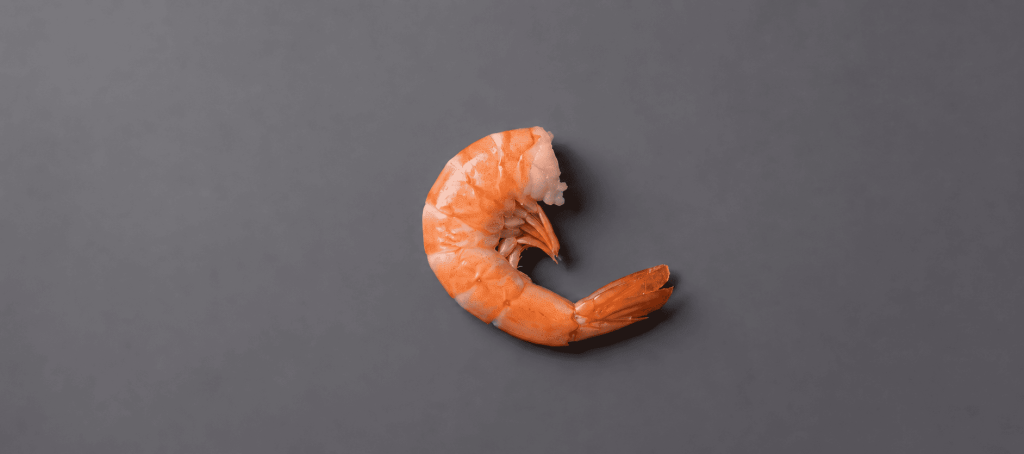
Yes — cooked shrimp is the safe way to serve it. Boil, steam, or bake it plain, with no oil, butter, salt, or seasoning. Let it cool, remove the shell and tail, devein, and cut it into small pieces. Cooked-through, plain shrimp is the version of this food veterinarians are comfortable with.
Can Cats Eat Shrimp Tails and Shells?
No. Tails, shells, and heads are hard and sharp, and they pose choking and intestinal-blockage risks. Remove all of it before your cat gets anywhere near the shrimp.
Can Cats Eat Fried, Breaded, or Seasoned Shrimp?
No. Fried and breaded shrimp are loaded with oil, batter, and salt; seasoned, garlic, or buttered shrimp can contain ingredients that are outright toxic to cats. These are the versions most likely to cause problems. Plain and simple wins.
Can Kittens Eat Shrimp?
Only in tiny amounts, and cautiously. Kittens have delicate digestive systems and precise nutritional needs for growth, which should be met by a complete kitten food. A minuscule taste of plain cooked shrimp is unlikely to harm a healthy kitten, but it’s easy to overdo it relative to their small size. When in doubt, ask your vet — and keep the focus on balanced kitten food.
How Much Shrimp Can a Cat Eat?
The golden rule of cat treats: treats should make up no more than 10% of your cat’s daily calories. The other 90%+ should come from complete, balanced cat food. Shrimp counts as a treat.
For perspective, an average 10-pound (4.5 kg) indoor cat needs roughly 200 calories a day, so about 20 calories can come from treats. A single medium cooked shrimp is only around 6–7 calories — which tells you shrimp should be an occasional nibble, not a pile.
| Cat size / situation | Suggested shrimp amount | How often |
|---|---|---|
| Kitten, senior, or small cat (under ~8 lb) | A small piece — up to about half a small shrimp | Occasionally |
| Average adult cat (~8–12 lb) | About 1 small-to-medium cooked shrimp | 1–2× per week, max |
| Large cat (over ~12 lb) | About 1 medium cooked shrimp | 1–2× per week, max |
| Cat with kidney disease, heart disease, allergies, or other conditions | Ask your veterinarian first | Only if vet-approved |
These are general starting points, not medical advice. Every cat is different — portion to your individual cat and your vet’s guidance, and cut back on other treats on shrimp days.
How to Safely Prepare Shrimp for Your Cat (Step by Step)
- Start with plain, fresh or fully thawed shrimp. No pre-seasoned, pre-marinated, or breaded products.
- Cook it thoroughly — boil, steam, or bake until opaque all the way through. No oil, butter, salt, or seasoning of any kind.
- Let it cool to a comfortable temperature so your cat doesn’t burn its mouth.
- Remove the shell, tail, and head completely.
- Devein it — pull out the dark digestive tract along the back.
- Cut into small, bite-sized pieces to prevent choking.
- Offer a tiny amount first if it’s your cat’s first time, and watch for any reaction over the next day.
- Store leftovers safely. Refrigerate promptly and don’t leave shrimp sitting out. Wash your hands, bowls, and utensils after handling — a habit the FDA recommends for all pet food, which you can read about in Tips for Safe Handling of Pet Food and Treats.
Signs Your Cat Is Reacting Badly to Shrimp
Stop feeding shrimp and contact your veterinarian if you notice any of these after your cat eats it:
- Vomiting or diarrhea
- Loss of appetite or lethargy
- Abdominal discomfort or bloating
- Itching, skin redness, or facial/mouth swelling (possible allergy)
- Drooling, gagging, or pawing at the mouth (possible choking or shell irritation)
Digestive upset, fever, and lethargy can also be signs of a bacterial infection such as Salmonella, which affects both cats and the people around them. The FDA outlines the signs of Salmonella infection in cats and dogs and, if you suspect a commercial pet food or treat made your cat sick, you can report it to the FDA through its Safety Reporting Portal. When symptoms are severe or persistent, don’t wait — call your vet or an emergency clinic.
Which Cats Should Skip Shrimp Altogether?
Shrimp isn’t right for every cat. Talk to your vet before offering it if your cat:
- Has kidney disease or heart disease (sodium and cholesterol are a concern)
- Has a known shellfish or food allergy
- Is on a prescription or restricted diet
- Is a very young kitten or a cat with a sensitive stomach
When there’s any doubt, your veterinarian knows your cat’s history and is the right person to ask.
Seafood Safety for Cats Beyond Shrimp
Shrimp isn’t the only seafood cats love, so here’s the broader picture.
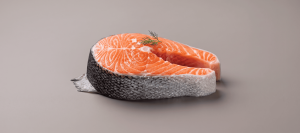
- Cooked fish (salmon, tilapia, cod, etc.) can be an occasional treat when it’s plain, boneless, and thoroughly cooked. Watch for tiny bones.
- Tuna is fine as a rare treat but shouldn’t be a habit — a tuna-heavy diet can lead to nutritional imbalances and, in some fish, higher mercury. Canned “light” tuna is lower in mercury than tuna steak.
- Crab and other shellfish follow the same rules as shrimp: cooked, plain, shell-free, tiny portions.
- Raw fish carries the same double problem as raw shrimp: bacteria and thiaminase, the enzyme that destroys vitamin B1. Cook it.
The same FDA/EPA seafood chart mentioned earlier is a handy mercury reference for the fish you might share — shrimp, salmon, catfish, and canned light tuna all sit in the lower-mercury tiers. See the FDA “Advice About Eating Fish” chart for the full list. And no matter the seafood, the overarching principle holds: complete, balanced cat food should always be the foundation, with seafood as a small extra.
The Bottom Line
Can cats eat shrimp? Yes — plain, cooked, shelled, and in small amounts, shrimp is a safe and even nutritious treat for most healthy cats. It offers lean protein, taurine, B12, and omega-3s, and it’s a low-mercury seafood. The risks come from how it’s served: raw shrimp, shells and tails, and salty or garlicky preparations are the things to avoid. Keep it to no more than 10% of your cat’s daily calories, introduce it slowly, and check with your veterinarian if your cat has any health conditions. Do that, and shrimp can be a happy little indulgence your cat will absolutely come running for.
This article is for general informational purposes and isn’t a substitute for professional veterinary advice. Always consult your veterinarian about your individual cat’s diet and health.
Frequently Asked Questions
Can cats eat shrimp every day? No. Shrimp is a treat, not a meal, and should stay within the 10%-of-daily-calories limit for treats. Once or twice a week at most is plenty for the average cat.
Can cats eat raw shrimp? It’s not recommended. Raw shrimp can carry Salmonella, Vibrio, and E. coli and contains thiaminase, which destroys vitamin B1. Cook shrimp thoroughly to remove both risks.
Can kittens eat shrimp? Only a tiny taste of plain cooked shrimp, and cautiously. Kittens need complete, balanced kitten food for healthy growth. Check with your vet before offering treats.
Is shrimp good for cats or just safe? Both, in moderation. Shrimp provides lean protein, taurine, vitamin B12, omega-3s, and trace minerals, and it’s low in mercury — but it isn’t nutritionally complete on its own.
Can cats eat shrimp tails and shells? No. Tails, shells, and heads are hard and sharp and can cause choking or intestinal blockages. Always remove them.
How much shrimp can I give my cat? For most adult cats, about one small-to-medium plain cooked shrimp, no more than once or twice a week, and always within the 10% treat limit. Portion down for kittens, seniors, and smaller cats.
My cat ate seasoned or garlic shrimp — should I worry? Garlic and onion are toxic to cats, and heavy salt or butter can cause stomach upset. A small accidental bite may just cause mild GI upset, but watch closely and call your vet if you see vomiting, weakness, or other concerning signs.
Can cats be allergic to shrimp? Yes. Some cats are allergic or intolerant to shellfish. Introduce shrimp with a tiny piece and watch for vomiting, diarrhea, itching, or swelling, then stop if any appear.