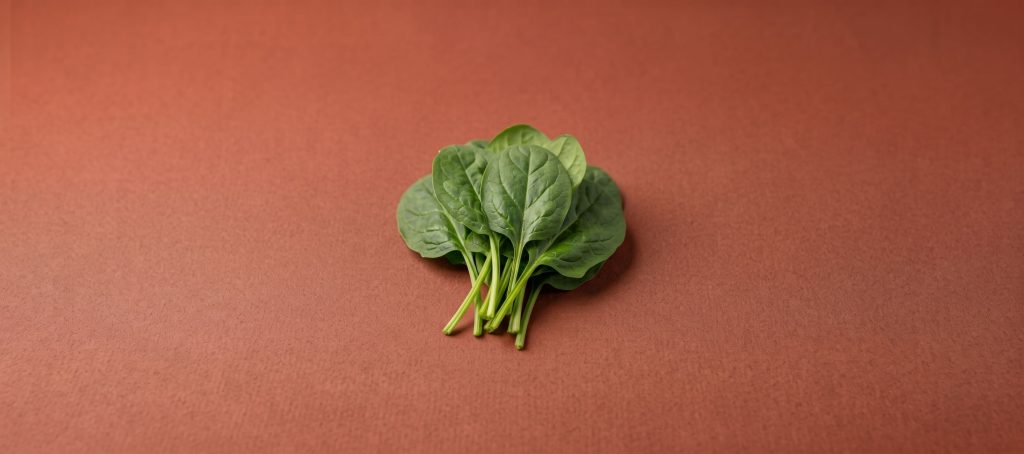
Quick answer: Yes — most healthy adult cats can eat a small amount of plain spinach as an occasional treat. Spinach is not toxic to cats and is even included in some complete commercial cat foods. But there’s a catch that generic answers skip: spinach is high in oxalates, and for cats with any history of urinary or kidney problems, even a nibble can be a genuinely bad idea. The safe amount, the right way to prepare it, and the cats who should never touch it are what actually matter — and that’s what this guide covers.
If you just want to double-check a food fast, you can always run it through the free food checker on CatFoodCheck before you share anything from your plate. Below, we’ll go deeper than the one-line verdict.
Are Cats Even Supposed to Eat Greens?
Before we talk about spinach specifically, it helps to understand what a cat’s body is actually built for. Cats are obligate carnivores. That means, unlike dogs or humans, they are biologically designed to get virtually all of their nutrition from animal protein and animal fat. Their teeth are made for tearing meat, their gut is short and geared toward digesting flesh, and they depend on nutrients — like taurine, preformed vitamin A, and arachidonic acid — that are found reliably only in animal tissue.
The practical takeaway is important: cats do not need spinach, kale, lettuce, or any other vegetable to be healthy. A complete, balanced cat food already supplies everything they require. So when we ask “can cats eat spinach,” we are really asking whether a small amount is safe and harmless as a treat — not whether it’s necessary. It isn’t necessary. At best, greens are a low-calorie curiosity or a bit of extra fiber and moisture. They are never a substitute for a meat-based diet.
That framing keeps the rest of this article in perspective. Spinach is optional. If your cat turns their nose up at it — which many will — you’ve lost nothing.
Is Spinach Good for Cats? The Nutritional Upside
Spinach earns its “superfood” reputation for humans, and some of that carries over in trace amounts for cats. A small serving of spinach contains:
- Vitamins A, C, and K, plus several B vitamins
- Minerals including iron, calcium, magnesium, folate, and potassium
- Fiber, which can support digestion and, for some cats, help move hairballs through
- Antioxidants and anti-inflammatory plant compounds
- A high water content, which can add a little extra hydration — handy for cats that are famously bad at drinking from a bowl
Those are real nutrients. But two caveats matter. First, cats absorb and use many plant-based nutrients far less efficiently than we do — for example, they can’t reliably convert the beta-carotene in vegetables into usable vitamin A the way humans can, which is why they need animal sources instead. Second, the quantities in a cat-appropriate portion of spinach (a leaf or a teaspoon) are tiny. So think of spinach as a pleasant, low-calorie snack — not a health supplement. The nutritional “benefit” is minor, and your cat’s regular food is doing the heavy lifting.
The Real Risk: Spinach, Oxalates, and Urinary Stones
Here’s the part most quick answers gloss over — and the single most important reason to read past the AI summary.
Spinach is one of the highest-oxalate foods there is. Oxalates (oxalic acid) are natural compounds that, once inside the body, can bind with calcium to form calcium oxalate crystals. In sensitive individuals, those crystals can build into painful bladder stones or kidney stones.
Why does this matter more for cats than for people? Cats descend from desert-dwelling ancestors and tend to produce small volumes of highly concentrated urine as a water-conservation strategy. Concentrated urine gives crystals a better chance to form and clump. Combine an oxalate-heavy food with a cat that’s already prone to urinary issues, and you’re stacking the odds in the wrong direction.
A few important nuances a good owner should know:
- Raw spinach carries the most oxalates. Gentle cooking (steaming or a quick, oil-free sauté) has been shown to lower oxalate content, which is why cooked spinach is often considered the safer form. Boiling reduces oxalates too, but it also leaches out many of the beneficial nutrients — so light steaming is the usual middle-ground recommendation.
- Stone disease is multifactorial. A single taste of spinach does not “cause” stones, and calcium oxalate urolithiasis has many contributing factors — the underlying cause in most cats is not fully understood. So the honest, evidence-based position is nuanced: spinach isn’t a one-bite poison, but it is an unnecessary risk for the wrong cat.
- Fiber can cause tummy trouble. Even in cats with no urinary history, too much spinach can trigger vomiting or diarrhea simply because of its fiber load.
For the science behind stone formation and dietary oxalate, the Merck Veterinary Manual on urinary stones in cats and this peer-reviewed overview of dietary oxalate and kidney stone formation are excellent, authoritative reading.
When Cats Should NEVER Eat Spinach
For most healthy cats, an occasional pinch of spinach is fine. But some cats should skip it entirely. Do not feed spinach if your cat has, or has ever had, any of the following — and check with your vet first if you’re unsure:
- A history of calcium oxalate bladder or kidney stones
- A previous urinary blockage or crystals in the urine
- Chronic kidney disease (CKD) or reduced kidney function
- Feline lower urinary tract disease (FLUTD) or recurring urinary symptoms
- A prescribed therapeutic urinary or renal diet (adding spinach can undermine it)
- Being a kitten under about one year old — kittens should eat only a complete, balanced kitten food to support proper growth
If any of these apply, the best treat is no spinach at all. Reach instead for a safe protein snack (more on those below).
How Much Spinach Can a Cat Eat?
When spinach is on the table, portion size is everything. The golden rule for any treat is the 10% rule: treats of all kinds combined should make up no more than about 10% of your cat’s daily calories, with the other 90% coming from complete, balanced food. Because an average adult cat only needs roughly 200–250 calories a day, that treat budget is genuinely tiny — and spinach has to share it with every other snack your cat gets.
In practical terms, that means:
| Cat | Suggested spinach portion | Frequency |
|---|---|---|
| Healthy adult cat | ~1 teaspoon of plain cooked spinach, or one small leaf | Once or twice a week |
| First-time taster | An even smaller amount — a single bite | Once, then watch for a reaction |
| Kitten, or any cat with urinary/kidney history | None | — |
Start small, wait a day, and watch how your cat responds before offering it again. Guidance from feline-health authorities such as the Cornell Feline Health Center consistently reinforces that treats should stay a small fraction of the diet — and spinach is firmly in the “treat” category, not the “side dish” one. For help turning that 10% into real numbers for your cat’s weight and age, CatFoodCheck’s free tools and calculators can do the math in seconds.
How to Safely Prepare Spinach for Your Cat
Preparation is where most spinach mistakes happen — and where a “safe” food quietly turns risky. Follow these steps:
- Choose plain, fresh spinach. No sauces, no seasoning, no salt, no oil, no butter, no dairy.
- Wash it thoroughly to remove pesticide residue and dirt.
- Cook it gently — steam or lightly sauté with no oil or salt. Cooking softens the leaf and lowers oxalate content. (Raw spinach is not toxic, but it’s higher in oxalates and tougher to digest.)
- Chop it finely into small, bite-sized pieces to reduce any choking risk and make it easier to eat.
- Serve a tiny amount and let your cat decide. Many cats simply won’t be interested — and that’s perfectly okay.
Never feed creamed spinach, spinach dip, or spinach cooked with people-food ingredients. These are the real danger. Cream, butter, and cheese pile on fat that can upset a cat’s stomach, and — critically — many spinach dishes are cooked with onion and garlic. Every member of the allium family (onions, garlic, chives, leeks, shallots) is toxic to cats and damages their red blood cells, and cats are especially sensitive to it. If your recipe touches any of those, keep the whole dish away from your cat. Learn exactly why in our guides on whether cats can eat onion and whether garlic is toxic to cats.
Other Leafy Greens for Cats: Safe, Caution, and Avoid
Spinach isn’t the only green cats encounter. If your cat is a leaf-nibbler, here’s how the common options stack up. Remember: none of these are dietary requirements, and all should be plain, washed, finely chopped, and offered only in small amounts.
| Leafy green | Verdict | Notes |
|---|---|---|
| Romaine / green-leaf lettuce | ✅ Generally safe | Low calorie and mostly water — a hydrating, gentle nibble. Little nutritional value. |
| Cat grass / wheatgrass | ✅ Safe & often loved | Grown for cats; many enjoy chewing it, and it may help hairballs pass. A great alternative to risky greens. |
| Dandelion greens | ✅ Safe in small amounts | Mild; sometimes fed for gentle digestive support. |
| Kale | ⚠️ Caution | Steam it — raw kale is tough and fibrous. Large or frequent amounts add calcium and goitrogens that may affect thyroid function. Keep it rare. |
| Swiss chard | ⚠️ Caution | Like spinach, it’s high in oxalates. Same urinary cautions apply. |
| Arugula / rocket | ⚠️ Small amounts only | Not known to be toxic, but offers little benefit; moderation only. |
| Parsley / cilantro | ⚠️ Tiny amounts | Small amounts are usually fine; don’t overdo parsley (potential photosensitivity). |
| Spinach | ⚠️ Occasional treat only | Safe for healthy cats in tiny portions; avoid entirely for any urinary/kidney history (see above). |
| Allium greens (onion tops, chives, leeks, garlic scapes) | 🚫 Never | Toxic to cats — damages red blood cells. |
| Rhubarb leaves | 🚫 Never | Extremely high in oxalates and considered toxic. |
| Tomato leaves & stems | 🚫 Never | Contain solanine, which is toxic to cats (the ripe fruit is a separate question). |
When in doubt about any specific plant, the ASPCA Animal Poison Control resources include a searchable database of plants that are toxic and non-toxic to cats — a handy bookmark for any cat owner.
Signs Your Cat Reacted Badly to Spinach
Even a “safe” treat can occasionally cause problems. Watch for two categories of warning signs.
Digestive upset (usually mild, from too much fiber):
- Vomiting
- Diarrhea or loose stool
- Reduced appetite or lethargy
These typically resolve on their own — just stop feeding spinach and offer fresh water. If they persist beyond a day, call your vet.
Urinary trouble (potentially serious — treat as urgent):
- Straining or crying in the litter box
- Frequent trips with little or no urine
- Blood in the urine
- Urinating outside the box
A cat — especially a male cat — who is straining and unable to pass urine may have a urinary blockage, which is a life-threatening emergency. Do not wait. Contact your veterinarian immediately, or call the Pet Poison Helpline (855-764-7661) or the ASPCA Animal Poison Control Center (888-426-4435) if you suspect a toxic ingredient was involved. (Consultation fees may apply.)
Do Cats Need Spinach? Spinach in Commercial Cat Food
You may have noticed spinach on the ingredient list of a premium cat food and wondered whether that’s a green light to spoon some onto your cat’s dinner. It isn’t — not exactly.
Reputable manufacturers that include spinach do so in carefully measured, safe amounts as part of a formula that’s been balanced as a whole. That’s very different from you adding extra spinach on top of a complete diet, which throws the balance off. The bottom line from veterinary nutrition is consistent: a good-quality, complete cat food already contains all the nutrients your cat needs, so there is no need to supplement with spinach. If a food you’re considering lists it, that’s fine — but it’s not a reason to add more yourself. To sanity-check any ingredient or food, browse the guides on the CatFoodCheck blog.
Better Treat Alternatives for Cats
Because cats are carnivores, the treats they actually thrive on are protein-based. If you want to reward your cat with something more worthwhile than a leaf, try:
- Plain cooked chicken or turkey — small, unseasoned pieces
- A little cooked egg — see our guide on whether cats can eat eggs
- A small taste of fish as an occasional treat — details in our can cats eat tuna guide
- Cat grass or wheatgrass — safe, satisfying to chew, and hairball-friendly
- A tiny bit of a cat-safe veggie if they enjoy crunch — like plain, cooked carrot or a nibble of hydrating watermelon flesh
For more borderline foods people love to share, see our guides on rice, bread, and peanut butter — the answers are more complicated than most owners expect.
Frequently Asked Questions
Can kittens eat spinach? No. Kittens should eat only a complete, balanced kitten food during their first year to support healthy growth. Hold off on leafy greens like spinach until they’re at least a year old, and check with your vet first.
Can cats eat raw spinach? In tiny amounts, raw spinach isn’t toxic — but it has the highest oxalate content and is harder to digest. Lightly cooked (steamed) spinach is generally the safer choice for cats.
Can cats eat cooked or steamed spinach? Yes, this is the preferred form — as long as it’s plain, with no oil, salt, butter, dairy, onion, or garlic. Gentle cooking lowers oxalate levels while keeping the leaf soft and easy to eat.
Can cats eat creamed spinach or spinach dip? No. These are made with cream, butter, cheese, and often onion or garlic — a combination that’s high in fat and includes ingredients that are toxic to cats. Keep human spinach dishes away from your cat.
Is spinach toxic to cats? No, plain spinach is not classified as toxic to cats. It’s the oxalate content — and any risky add-ins like onion or garlic — that create the real concerns, especially for cats prone to urinary problems.
How often can cats eat spinach? For a healthy adult cat, about one teaspoon of plain cooked spinach or one small leaf, no more than once or twice a week, kept within the 10% treat allowance.
Can cats with kidney disease or a history of stones eat spinach? No. Cats with kidney disease, calcium oxalate stones, FLUTD, or any urinary history should avoid spinach entirely and stick to their veterinary diet. Always follow your vet’s guidance.
Do cats even like spinach? Often not! Cats can’t taste sweetness and generally aren’t drawn to vegetables. If your cat ignores the spinach, that’s completely normal — and no cause for concern.
The Bottom Line
So, can cats eat spinach? Yes — a tiny amount of plain, gently cooked spinach is safe for most healthy adult cats as an occasional treat, but it’s never a nutritional necessity, and it’s genuinely risky for any cat with a urinary or kidney history because of its high oxalate content. Keep portions tiny, skip the seasoning entirely, never feed spinach cooked with onion or garlic, and when in doubt, leave it out in favor of a protein-based treat.
Spinach is optional. Your cat’s health is not. Before adding any new human food to your cat’s bowl — especially if your cat has an existing health condition, is a kitten, or is a senior — check with your veterinarian, and use the CatFoodCheck food checker any time you’re unsure whether something on your plate is safe to share.
Sources & Further Reading
- ASPCA Animal Poison Control — toxic and non-toxic plants and foods for cats: https://www.aspca.org/pet-care/animal-poison-control
- Merck Veterinary Manual — Urinary Stones (Uroliths, Calculi) in Cats: https://www.merckvetmanual.com/cat-owners/kidney-and-urinary-tract-disorders-of-cats/urinary-stones-uroliths-calculi-in-cats
- Dietary Oxalate and Kidney Stone Formation (peer-reviewed, NIH/PMC): https://www.ncbi.nlm.nih.gov/pmc/articles/PMC6459305/
- Cornell Feline Health Center — general feline nutrition and treat guidance
Disclaimer: This article is for general informational purposes only and is not a substitute for professional veterinary advice. If your cat has eaten something potentially harmful or is showing symptoms, contact your veterinarian or a pet poison control center right away.