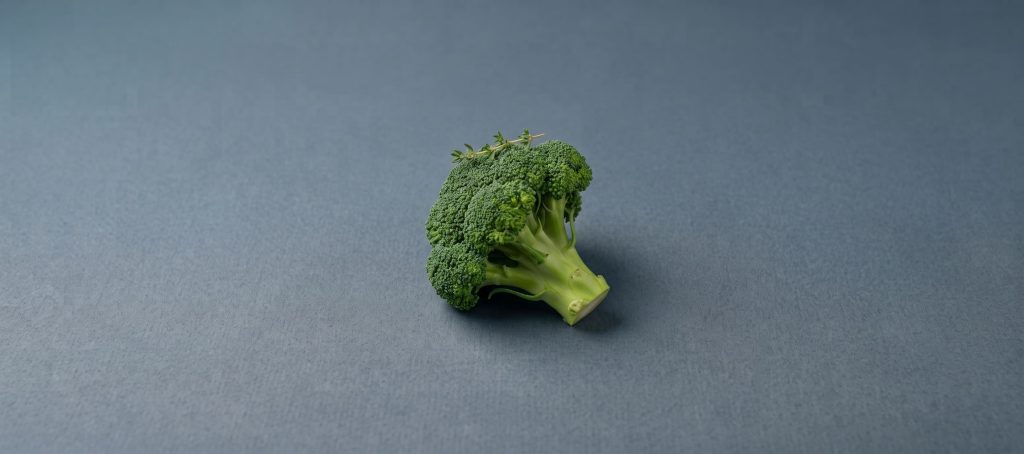
Quick answer: Yes, cats can eat broccoli. Plain, well-cooked, unseasoned broccoli cut into tiny pieces is non-toxic and safe for most healthy adult cats as an occasional treat — no more than a bite or two, and never as a meal replacement. Because cats are obligate carnivores, broccoli offers little nutritional value to them and can cause gas or an upset stomach if overfed. Skip it entirely if it’s cooked with garlic, onion, butter, oil, salt, or other seasonings.
If you’ve ever caught your cat batting a stray floret across the kitchen floor or eyeing your dinner plate, you’re not alone. Broccoli’s tree-like shape seems to fascinate cats, and many owners wonder whether it’s a healthy snack or a hidden hazard. The short version is reassuring — but the details around serving size, preparation, and your individual cat matter far more than the simple yes/no. This guide walks through everything you need to know before offering that first floret.
Can Cats Eat Broccoli? The Short Answer
Yes — broccoli is not toxic to cats, and a small amount of plain, cooked broccoli is safe for most healthy adult cats. It is one of a handful of “human vegetables” that veterinarians generally consider acceptable in tiny, occasional portions.
That said, “safe” is not the same as “beneficial” or “necessary.” Cats are obligate carnivores, meaning their bodies are built to get nearly all of their nutrition from animal protein and fat. Broccoli should be thought of as an occasional novelty treat — something your cat can have, not something they need. Treats of any kind, including vegetables, should make up no more than 10% of your cat’s daily calories.
If you’d rather not memorize a long list of foods, you can look up any ingredient instantly with the free cat food checker on CatFoodCheck before you offer it.
Is Broccoli Safe for Cats? What Science Says
Broccoli (Brassica oleracea) appears on the list of plants and foods that are non-toxic to cats. Unlike genuinely dangerous foods such as onions, garlic, chocolate, grapes, or anything containing the sweetener xylitol, broccoli does not contain compounds that poison cats.
A few science-based points worth understanding:
- No known toxins for cats. Broccoli contains no substances that are poisonous to felines in the small amounts a cat would realistically eat.
- It contains plant compounds cats aren’t built to process efficiently. Broccoli is a cruciferous vegetable rich in fiber and antioxidant compounds (including sulforaphane and other isothiocyanates). Some of these can be mildly beneficial, but the same compounds can irritate a sensitive feline digestive tract and cause gas.
- The danger usually isn’t the broccoli — it’s what’s on it. Most broccoli-related problems come from how it’s prepared: butter, oil, cheese sauce, salt, and especially garlic and onion (both toxic to cats) turn a safe vegetable into a risky one.
Because every cat is different, and because certain health conditions (kidney disease, a history of bladder stones, food sensitivities, gastrointestinal disease) can change the picture, it’s always smart to check with your veterinarian before adding any new food. Government regulators echo this: the U.S. Food and Drug Administration explicitly notes that questions about your pet’s health or diet should be referred to your veterinarian (FDA — Pet Food).
Do Cats Even Need Vegetables?
Short answer: no. This is the single most important idea in this guide.
Dogs are omnivores and can benefit from a more varied plant-inclusive diet. Cats are obligate carnivores. Their natural diet is meat, and they require specific animal-derived nutrients — like taurine, preformed vitamin A, and arachidonic acid — that they cannot make from plants in adequate amounts. A cat fed a vegetable-heavy or vegetarian diet without expert formulation can develop serious, even life-threatening, deficiencies.
So where do vegetables fit? Purely as an optional treat or a small source of fiber for some cats. A complete, balanced cat food already supplies everything your cat needs. If you’re curious about how feline nutrition works and how much protein cats really require, our overview of the raw cat food diet and our explainer on grain-free cat food both dig into what an obligate carnivore’s diet should look like.
The takeaway: offer broccoli because your cat enjoys it or because your vet suggests a little extra fiber — not because you think your cat is “missing out” on vegetables. They aren’t.
Nutritional Value of Broccoli
Broccoli is genuinely nutritious for humans. It’s low in calories and packed with vitamins, minerals, fiber, and antioxidants. Here’s the approximate profile per 100 grams (about 3.5 oz) of raw broccoli, according to the U.S. Department of Agriculture’s nutrient database:
| Nutrient | Amount (per 100 g raw) |
|---|---|
| Calories | ~34 kcal |
| Water | ~89 g |
| Protein | ~2.8 g |
| Fat | ~0.4 g |
| Carbohydrates | ~6.6 g |
| Dietary fiber | ~2.6 g |
| Calcium | ~47 mg |
| Potassium | ~316 mg |
| Iron | ~0.7 mg |
| Vitamin C | high |
| Vitamin K | high |
| Folate | moderate |
Source: USDA FoodData Central.
Here’s the catch: cats metabolize food very differently from people. A cat gets its vitamin C internally (it doesn’t need dietary vitamin C the way humans do), and it can’t efficiently convert some plant nutrients into usable forms. So while that nutrient table looks impressive, most of broccoli’s “superfood” benefits simply don’t translate to a feline body. The main things a cat actually gets out of broccoli are a little fiber, some water, and a low-calorie thing to chew — not a meaningful vitamin boost.
For working out how a treat like broccoli fits into your cat’s real daily calorie budget, the free Cat Food Calculator shows exactly how many calories your cat needs based on weight and activity.
Potential Benefits of Broccoli for Cats
In small amounts, broccoli can offer a few modest perks:
- A low-calorie treat. For overweight cats, a tiny piece of steamed broccoli is a far better nibble than a fatty, calorie-dense commercial treat. It satisfies the urge to snack without adding much to the calorie count.
- A little extra fiber. Fiber can support healthy digestion and, for some cats, help with mild constipation or hairball movement. (For a more reliable, vet-favored fiber source, see our guide to pumpkin for cats.)
- Antioxidant compounds. Broccoli’s sulforaphane and related antioxidants may offer minor cellular benefits, though the research on this in cats specifically is limited.
- Hydration. Broccoli is nearly 90% water, so it contributes a small amount of moisture — helpful, since many cats chronically under-drink.
- A safer target for plant-chewing cats. Some cats instinctively nibble greenery. Offering a bit of cat-safe broccoli (or better, cat grass) can redirect that urge away from potentially toxic houseplants.
None of these benefits are significant enough to recommend broccoli — they’re simply reasons it’s harmless (and occasionally handy) rather than something to fear.
Potential Risks and Side Effects
This is where preparation and portion size do the heavy lifting. Broccoli can cause problems when it’s given in the wrong form or the wrong amount.
1. Digestive upset and gas. Broccoli is high in fiber and contains compounds that ferment in the gut. Too much can cause bloating, gas, cramping, vomiting, or diarrhea — especially in cats not used to it.
2. Choking hazard. Firm, raw florets and thick stems are hard for a small mouth to chew. Large or tough pieces are a real choking risk. Always cut broccoli into tiny, soft, bite-sized pieces.
3. Dangerous seasonings and add-ons. This is the big one. Broccoli prepared for humans is often cooked with garlic, onion, butter, oil, cheese, or salt. Garlic and onion (and the entire allium family) are toxic to cats and can damage red blood cells. Read the details in our guides on why garlic is toxic to cats and why onion is dangerous for cats. Only ever offer plain broccoli.
4. Nutritional imbalance if overfed. Because vegetables fill up a small stomach with low-value calories, a cat that eats too much broccoli may eat less of the meat-based food it actually needs. Over time, that can crowd out essential animal nutrients.
5. Goitrogens (a minor, theoretical concern). Like other cruciferous vegetables, broccoli contains goitrogens, compounds that can interfere with thyroid function in very large, sustained quantities. In the tiny treat-sized amounts appropriate for a cat, this is not a practical worry — but it’s another reason not to make broccoli a daily habit.
6. Individual sensitivities. Cats with existing GI disease, food allergies, or other chronic conditions may react poorly even to small amounts. When in doubt, ask your vet first.
Raw vs. Cooked Broccoli: Which Is Safer?
Cooked broccoli is the clear winner for cats.
- Raw broccoli is tough, fibrous, and much harder for a cat to chew and digest. It’s more likely to cause gas, stomach upset, and choking. If your cat swipes a raw piece off the counter, it’s not an emergency — but raw isn’t the form you should intentionally serve.
- Cooked broccoli — steamed or boiled until soft, with nothing added — is gentler on the digestive system, softer to chew, and safer overall.
The best method is steaming, which keeps the broccoli soft while preserving more of its nutrients than boiling. Avoid roasting, frying, sautéing, or microwaving with any oil, butter, or seasoning. Plain and soft is the goal.
How to Safely Prepare Broccoli for Your Cat
Follow these steps every time:
- Choose fresh, plain broccoli. Fresh or plain frozen (no sauce, no seasoning blends). Rinse it well to remove any dirt or pesticide residue.
- Cut it small. Trim off a small floret and remove the tough lower stem.
- Cook until soft. Steam or boil in plain water — no salt, oil, butter, garlic, onion, or seasoning of any kind — until it’s soft enough to mash easily with a fork.
- Let it cool completely. Never serve hot food to a cat; it can burn the mouth.
- Chop into tiny, bite-sized pieces. Think pea-sized or smaller to eliminate any choking risk.
- Offer a very small amount first. A single small piece is plenty for a first taste.
- Watch for 24 hours. If your cat shows any digestive upset, don’t offer it again and check with your vet.
Never add broccoli to your cat’s bowl straight from a human dish that’s been cooked with butter, cheese sauce, salt, garlic, or onion.
How Much Broccoli Can a Cat Eat?
Treats — including vegetables — should account for no more than 10% of your cat’s total daily calories. The remaining 90% should come from a complete, balanced cat food. When you add a treat, trim the main meal slightly so you’re not overfeeding.
Here’s a sensible starting guide (assume plain, cooked, chopped broccoli):
| Cat | Suggested amount | Frequency |
|---|---|---|
| Kitten | Not recommended | — |
| Small / senior adult | ½ tsp finely chopped | Rarely, if at all |
| Average healthy adult | 1 tsp finely chopped (1–2 small florets’ worth) | 1–2× per week max |
| Large, healthy adult | Up to ~1 tbsp finely chopped | 1–2× per week max |
These are general guidelines, not medical prescriptions. Because exact portions depend on your cat’s weight, age, and health, use the free Cat Food Calculator to find your cat’s daily calorie needs, and read How Much Should I Feed My Cat? for a full breakdown of portions by weight.
Rule of thumb: if you’re unsure, less is always better. A bite or two, once in a while, is the safe zone.
Can Kittens Eat Broccoli?
It’s best to avoid giving broccoli to kittens.
Kittens have tiny, still-developing digestive systems and very specific, intensive nutritional needs to fuel rapid growth. Every calorie they eat should be working hard to build muscle, bone, and organs — and that means a high-quality, complete kitten food, not low-value vegetable filler. Broccoli’s fiber and gas-producing compounds are also more likely to upset a kitten’s delicate stomach.
Wait until your cat is a healthy adult before introducing any treat like broccoli, and always clear new foods with your veterinarian first.
Can Cats Eat Broccoli Stems, Leaves, or Sprouts?
- Stems: The stem is safe but tough and fibrous, making it the hardest part to chew and the biggest choking risk. If you offer stem, peel off the tough outer layer, cook it until very soft, and chop it finely. The soft florets are generally the better choice.
- Leaves: Broccoli leaves are non-toxic, but as with the rest of the plant, they should be cooked plain and given in tiny amounts.
- Broccoli sprouts: Sprouts are more concentrated in certain plant compounds and, like all raw sprouts, carry a higher risk of harboring bacteria such as Salmonella or E. coli. It’s safest to skip broccoli sprouts for cats.
No matter which part you offer, the same rules apply: plain, cooked, cooled, and tiny.
Warning Signs of a Bad Reaction
Most cats tolerate a small amount of plain broccoli just fine. But contact your veterinarian if, after eating broccoli, your cat shows any of the following:
- Repeated vomiting or diarrhea
- Noticeable bloating or signs of abdominal discomfort
- Lethargy or unusual weakness
- Loss of appetite lasting more than a day
- Gagging, coughing, or difficulty breathing (possible choking — treat as urgent)
- Pale gums, drooling, or collapse (seek emergency care immediately — this can signal exposure to a toxic ingredient like garlic or onion)
If you suspect your cat has eaten broccoli cooked with a toxic ingredient, or is having a serious reaction, call your veterinarian or a 24-hour animal poison control line right away. Acting quickly makes a real difference.
Other Vegetables Cats Can Eat Safely
If your cat enjoys the occasional veggie, broccoli isn’t your only cat-safe option. In small, plain, cooked portions, these are also generally considered safe:
| Vegetable | Notes | Learn more |
|---|---|---|
| Carrots | Cooked, finely chopped; a crunchy, low-cal option | Can Cats Eat Carrots? |
| Pumpkin | Plain, cooked; a vet-favorite fiber source for digestion | Can Cats Eat Pumpkin? |
| Spinach | Small amounts of plain leafy greens (avoid if cat has urinary/kidney issues) | Can Cats Eat Spinach? |
| Green beans | Cooked, plain; low-calorie and often well tolerated | — |
| Peas | Often found in commercial cat food; fine in small amounts | — |
The same golden rules apply to all of them: plain, cooked, unseasoned, tiny amounts, occasional only. For the full library of vetted foods, browse our Safe Foods guides.
Vegetables and Foods Cats Should Never Eat
Some vegetables and common kitchen foods are genuinely dangerous. Never give your cat any of these — including as an ingredient cooked into broccoli or other dishes:
- Onions (raw, cooked, powdered, or dehydrated) — damage red blood cells. See: Can Cats Eat Onion?
- Garlic — even more potent than onion; toxic in small amounts. See: Is Garlic Toxic to Cats?
- Leeks, shallots, chives, and scallions — the whole allium family is off-limits.
- Chocolate, caffeine, and alcohol — all toxic to cats.
- Grapes and raisins — associated with kidney damage.
- Anything with xylitol (a sugar substitute) — dangerous to pets.
For the complete, regularly updated rundown, see our Toxic Foods guides. You can also learn how food safety is regulated and reported at the federal level through the FDA’s overview of pet food regulation.
How to Introduce Broccoli the Right Way
Any new food — even a safe one — should be introduced slowly and one item at a time. This lets you spot a reaction and know exactly what caused it.
- Start tiny. Offer a single small piece of plain, cooked, cooled broccoli.
- Wait and watch. Give it 24 hours and monitor for any vomiting, diarrhea, gas, or changes in appetite or behavior.
- Go slow. If all is well and your cat seems interested, you can offer a small amount occasionally — no more than once or twice a week.
- Keep it plain, always. Never season, and never let broccoli replace part of a balanced meal.
- Don’t force it. Many cats simply won’t be interested in broccoli — and that’s completely fine. They lose nothing by skipping it.
Not sure whether a different food is safe? Type it into the cat food checker for an instant safe / caution / toxic verdict, or browse the full CatFoodCheck blog.
The Bottom Line
Can cats eat broccoli? Yes — carefully. Plain, well-cooked, unseasoned broccoli, chopped small and served in tiny amounts, is a safe occasional treat for most healthy adult cats. It won’t harm them, and it can even be a decent low-calorie nibble for a cat that likes it.
But keep the big picture in mind: cats are obligate carnivores. Broccoli offers them very little real nutrition, so it should never replace meat-based food or make up a meaningful part of the diet. Keep treats to 10% of daily calories, always serve broccoli plain (never with garlic, onion, butter, or salt), skip it for kittens, and check with your veterinarian before introducing any new food — especially if your cat has a health condition.
Offer it because your cat enjoys it, not because they need it. And when your cat turns up their nose at that floret? That’s perfectly normal too.
Frequently Asked Questions
Is broccoli toxic to cats? No. Broccoli is not toxic to cats. It’s considered a non-toxic vegetable and is safe in small, plain, cooked amounts. The main risks come from overfeeding or from seasonings like garlic, onion, salt, or butter.
Can cats eat raw broccoli? They can, but it’s not ideal. Raw broccoli is tough, harder to digest, and a greater choking hazard. Cooked (steamed or boiled) plain broccoli, chopped small, is much safer.
Can cats eat cooked broccoli? Yes — plain, cooked broccoli with no oil, butter, salt, garlic, or onion is the safest way to serve it. Steaming is the best cooking method.
How much broccoli can I give my cat? Only a small amount — think a teaspoon of finely chopped broccoli, once or twice a week at most. Treats should never exceed 10% of your cat’s daily calories.
Can kittens eat broccoli? It’s best to avoid it. Kittens have sensitive digestion and specific nutritional needs for growth. Wait until adulthood and ask your vet first.
Why does my cat like broccoli? Cats may be drawn to broccoli’s texture, shape, or smell, or simply be curious about what you’re eating. Some cats also instinctively nibble on plants. Liking broccoli is fine — just keep portions tiny.
Can broccoli help with my cat’s digestion or hairballs? Its fiber may offer minor help, but pumpkin is a more reliable, vet-recommended fiber source for cats. See our pumpkin guide.
What vegetables are safe for cats? Plain, cooked carrots, pumpkin, green beans, peas, and small amounts of spinach are generally considered safe in moderation. Onions, garlic, leeks, and chives are toxic and must be avoided.
My cat ate broccoli with garlic or onion in it — what should I do? Contact your veterinarian or an animal poison control line right away. Garlic and onion are toxic to cats and can damage red blood cells, even in small amounts.
Sources & Further Reading
Authoritative government & health resources
- U.S. Food and Drug Administration — Pet Food overview
- U.S. Food and Drug Administration — FDA’s Regulation of Pet Food
- U.S. Department of Agriculture — FoodData Central (broccoli nutrient data)
Related guides on CatFoodCheck
- Cat Food Checker: What Can Your Cat Eat?
- Can Cats Eat Carrots?
- Can Cats Eat Pumpkin?
- Can Cats Eat Spinach?
- Can Cats Eat Onion?
- Is Garlic Toxic to Cats?
- How Much Should I Feed My Cat?
- Free Cat Food Calculator
- Raw Cat Food Diet: Complete Beginner’s Guide
- Grain-Free Cat Food: Is It Actually Better?
- Browse all Safe Foods guides
- Browse all Toxic Foods guides
This article is for general educational purposes and is not a substitute for professional veterinary advice. Every cat is different — always consult your veterinarian before introducing new foods, especially if your cat has an existing health condition.