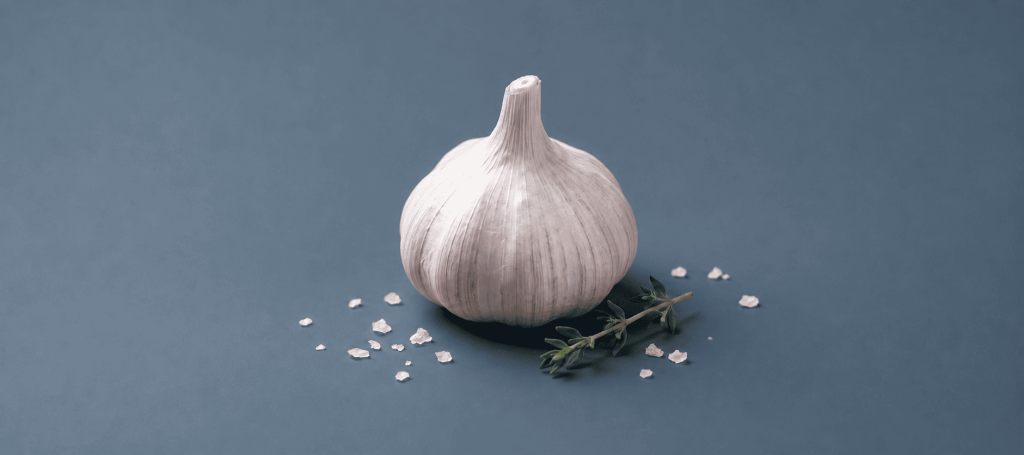
Quick answer: Yes — garlic is toxic to cats, and it’s one of the more dangerous foods in your kitchen. Garlic belongs to the Allium family (alongside onions, chives, and leeks) and contains sulfur compounds that damage a cat’s red blood cells, leading to a condition called hemolytic anemia. Garlic is roughly 3–5 times more toxic than onions, cats are the most susceptible species, and there is no established safe amount. If your cat has eaten garlic in any form — fresh, cooked, powdered, or salted — contact your veterinarian or a pet poison hotline right away, even if your cat seems fine.
Reviewed for accuracy against ASPCA Animal Poison Control, the Merck Veterinary Manual, and Pet Poison Helpline guidance. Last updated: 2026. This article is educational and is not a substitute for advice from your own veterinarian.
Key takeaways
- Garlic is toxic to cats in every form: raw, cooked, roasted, powdered, granulated, salted, and as garlic-infused oil.
- Cats are more sensitive than dogs. Their red blood cells are especially vulnerable to the oxidative damage garlic causes.
- Concentrated forms are the most dangerous. Garlic powder and garlic salt pack far more toxin per teaspoon than a fresh clove.
- Symptoms can be delayed by several days, so a cat that looks fine right after eating garlic may still be in danger.
- There is no proven benefit to feeding cats garlic — the flea-control and “immune-boosting” claims are not supported by evidence.
- When in doubt, call. Because susceptibility varies from cat to cat, any known ingestion is worth a phone call to your vet or a poison line.
Is garlic toxic to cats? The short answer
Yes. Cats should never eat garlic. While garlic is a healthy, everyday seasoning for people, a cat’s body cannot process the sulfur-based compounds it contains. Even small quantities can trigger a chain reaction that destroys red blood cells and starves the body of oxygen. Because cats are so much smaller than us — and biologically more susceptible than dogs — the margin for error is very thin.
This is not a “feed with caution” food like the occasional plain berry or a nibble of cooked meat. Garlic sits firmly in the toxic column. You can see how it compares to other risky foods in our Toxic Foods guides, and if you’re unsure about any single ingredient, the fastest way to check is with our Cat Food Checker.
Why is garlic poisonous to cats?
Garlic (Allium sativum) is part of the Allium genus, which also includes onions, shallots, chives, and leeks. Every plant in this family contains sulfur-containing oxidant compounds — most notably N-propyl disulfide and related thiosulfates. When garlic is crushed, chopped, chewed, or cooked, these compounds are released and readily absorbed through the digestive tract.
Once in the bloodstream, these oxidants attack the membranes of red blood cells. This causes two problems at once:
- Heinz body formation. The oxidative stress causes hemoglobin inside the red blood cells to clump into structures called Heinz bodies. Damaged cells are then flagged and removed by the body.
- Hemolysis. The red blood cells rupture and break apart faster than the body can replace them.
The result is hemolytic anemia (sometimes with methemoglobinemia, where the blood’s ability to carry oxygen is further impaired). Red blood cells are the body’s oxygen couriers, so when they’re destroyed, tissues and organs are left starved of oxygen. In severe cases this can be fatal.
Why cats specifically? Feline red blood cells are unusually rich in the sulfur-containing sites that these garlic compounds target, which makes cats more prone to oxidative damage than most other animals. According to the Merck Veterinary Manual, cats are the most susceptible species to Allium toxicosis, followed by dogs. In other words, a dose that a large dog might shrug off can seriously harm a cat.
How much garlic is toxic to a cat?
Here’s the uncomfortable truth: there’s no officially “safe” dose of garlic for cats, and individual sensitivity varies. That said, veterinary sources give us useful benchmarks.
- Toxic effects in cats have been associated with roughly 5 grams of Allium material per kilogram of body weight — but because garlic is 3–5 times more potent than onion, the threshold for garlic is meaningfully lower, in the neighborhood of about 1 gram per kilogram.
- In practical kitchen terms, that means less than half a teaspoon of minced garlic, or less than one-eighth of a teaspoon of garlic powder, can be enough to cause toxicity in an average cat.
- For a typical 10–12 lb (4.5–5.5 kg) cat, less than a single clove of garlic (about 4–7 grams) can be enough to cause serious illness.
To put that in perspective, here’s what one standard raw garlic clove (~5 g) works out to across common cat weights:
| Cat weight | Approx. weight (kg) | One ~5 g clove equals… |
|---|---|---|
| ~6.5 lb | 3.0 kg | ~1.7 g/kg |
| ~10 lb | 4.5 kg | ~1.1 g/kg |
| ~12 lb | 5.5 kg | ~0.9 g/kg |
Because garlic toxicity can begin in the ~1 g/kg range, a single clove can push a small-to-average cat straight into the danger zone. Kittens, senior cats, and cats with existing health issues may react to even less.
The bottom line: don’t try to calculate a “safe” nibble. If you know your cat ate garlic, treat it as a potential emergency and call for guidance rather than waiting to see what happens.
Which forms of garlic are dangerous?
All of them. There is no preparation method that makes garlic safe for cats. The following are all toxic:
- Fresh, raw garlic (cloves, minced, crushed)
- Cooked or roasted garlic — cooking does not remove the toxin
- Garlic powder and granulated garlic — highly concentrated
- Garlic salt — concentrated garlic plus a sodium problem on top
- Dehydrated or freeze-dried garlic flakes
- Garlic-infused oils
- Garlic supplements, capsules, and “natural” flea remedies
Concentration is the key danger. Dried and powdered products contain far more toxin per teaspoon than fresh garlic, so gram-for-gram they’re more harmful. A light dusting of garlic powder on a piece of chicken can deliver more toxic compound than you’d expect from the size of the sprinkle.
The hidden sources of garlic most owners miss
Very few cats will march up and chew a raw garlic clove. The real risk is garlic hiding inside everyday human food — especially the tempting, savory foods your cat is most likely to beg for. Watch out for:
- Baby food (many meat purees contain onion or garlic flavoring)
- Broths, stocks, and bouillon — including the chicken broth some owners pour over food
- Garlic bread, pizza, and pasta sauces
- Gravies, marinades, and pan drippings
- Rotisserie and takeout meats seasoned with garlic or garlic powder
- Spice blends and seasoning mixes
- Some commercial jerky treats and table scraps
This is exactly why “just a little bite of what I’m eating” can be risky. If you like to share a taste of protein with your cat, it must be plain and completely unseasoned. Our guides on feeding cats salmon, shrimp, and tuna all stress the same rule: no garlic, no onion, no salt. Holiday meals are a particular hazard — see our Thanksgiving turkey safety guide before you share any festive food, since stuffing, gravy, and seasoned skin are loaded with alliums.
Symptoms of garlic poisoning in cats
One of the most dangerous features of garlic toxicity is that symptoms are often delayed. A cat may seem perfectly normal for hours — or even a few days — before the red-blood-cell damage becomes obvious. Signs may not fully develop for up to about a week, which is why “wait and see” is the wrong approach.
Early signs (often within hours) — gastrointestinal upset:
- Vomiting
- Diarrhea
- Drooling
- Loss of appetite
- Abdominal pain or discomfort
- Nausea
Later signs (often 1–5+ days later) — anemia and oxygen deprivation:
- Lethargy, weakness, or collapse
- Pale, white, or bluish gums
- Rapid breathing or panting
- Elevated or racing heart rate
- Reddish-brown or dark (“tea-colored”) urine — a sign of red-blood-cell breakdown
- Yellowing of the gums, skin, or eyes (jaundice)
- Reluctance to move or exercise intolerance
If you see any of these signs — and especially if you know or suspect garlic was eaten — treat it as urgent.
What to do if your cat eats garlic: emergency steps
Do not wait for symptoms to appear. Because damage can be well underway before signs show, acting early gives your cat the best possible outcome. Here’s a clear plan:
- Remove access. Take away any remaining garlic or garlic-containing food so your cat can’t eat more.
- Estimate what happened. Note the form (fresh, cooked, powder, salt), the amount as best you can, and the time it was eaten. This information helps your vet enormously.
- Call for guidance immediately. Contact your veterinarian, a nearby emergency clinic, or a poison hotline:
- ASPCA Animal Poison Control Center: (888) 426-4435
- Pet Poison Helpline: (855) 764-7661 (A consultation fee may apply to these hotlines.)
- Do NOT induce vomiting at home unless a professional tells you to. Home remedies used for dogs — such as hydrogen peroxide — can be unsafe and ineffective for cats. Let a vet decide the safest way to decontaminate.
- Follow through on monitoring. Even if your cat is stable at first, your vet may want to recheck bloodwork over the following days, because anemia can appear late.
Save these numbers in your phone now, before you ever need them. Minutes matter with toxin ingestion.
How vets diagnose and treat garlic toxicity
Diagnosis usually starts with the history you provide (what was eaten, how much, and when) combined with clinical signs. Your vet may run:
- A complete blood count (CBC) to check for anemia
- A blood smear to look for Heinz bodies on the red blood cells
- Urinalysis to check for hemoglobin in the urine
- Repeat bloodwork a few days later, since red-blood-cell damage can develop over time
Treatment depends on how much was eaten and how quickly you got help. It may include:
- Decontamination — inducing vomiting if the ingestion was very recent, sometimes followed by activated charcoal to limit further absorption (this is done by professionals, not at home)
- IV fluid therapy to support circulation and protect the kidneys
- Oxygen supplementation if the cat is struggling to get enough oxygen
- A blood transfusion in severe cases of anemia
- Supportive care and hospitalization with monitoring as needed
Prognosis is encouraging when treatment is prompt. Many cats recover well without long-term problems if the poisoning is caught early — which is the single biggest reason not to delay that first phone call.
Can garlic ever be good for cats? Debunking the myths
You may have read online that garlic can repel fleas, “boost the immune system,” or support heart health in pets. These claims circulate widely, but the veterinary consensus is clear: there is no proven, safe benefit that outweighs the very real risk of poisoning.
- The flea-control myth. There is no reliable evidence that garlic safely repels fleas on cats, and plenty of evidence that it can harm them. Use veterinarian-recommended parasite prevention instead.
- The “immune boost” and “heart health” myths. These are not supported by feline research, and dosing a cat with a red-blood-cell toxin to chase an unproven benefit is a poor trade.
- The “a tiny bit is fine” myth. Because toxicity is cumulative and individual sensitivity varies, there’s no established threshold that’s known to be safe. Regular small exposures can add up.
If your goal is a healthier cat, the safer path is a complete, balanced diet and vet-guided care — not kitchen remedies.
Is garlic in cat food or treats safe?
Reputable commercial cat foods are formulated to be complete and balanced, and they do not include garlic at toxic levels — flavor comes from meat, fish, and other safe ingredients. The concern is with “natural” supplements, holistic flea products, and some treats that market garlic as a benefit. Avoid these.
Always read labels on anything new, and remember the general rule that treats should make up no more than about 10% of your cat’s daily calories — with the rest coming from a balanced diet. If you’re not sure how much that is for your cat, our Cat Food Calculator will do the math for you. For a broader look at what belongs (and doesn’t belong) in the bowl, our Safe Foods guides are a good next stop.
How to keep your cat safe from garlic
Prevention is far easier than treatment. A few simple habits go a long way:
- Store garlic securely — in closed cupboards or containers your cat can’t open.
- Never share seasoned food. If you offer a taste of meat or fish, keep it plain and unseasoned.
- Read every label on treats, supplements, and human foods before offering them.
- Clean up promptly after cooking — wipe counters and secure leftovers, drippings, and peels.
- Brief your household and guests, especially during holidays when tempting, garlic-heavy dishes are everywhere.
- Skip “natural” garlic-based flea remedies and use vet-approved parasite control instead.
When to call the vet — a quick recap
Call your veterinarian or a poison hotline immediately if your cat has eaten garlic in any form, or if you notice vomiting, weakness, pale or bluish gums, rapid breathing, dark urine, or jaundice. Don’t wait for symptoms to confirm your suspicion — with garlic, early action is what protects your cat.
Frequently asked questions
Can cats eat a small amount of garlic? It’s best to assume no amount is safe. Because cats are highly susceptible and sensitivity varies from cat to cat, even a small quantity can be risky — and small exposures can add up. If your cat ate any garlic, call your vet for guidance.
Is garlic powder worse than fresh garlic for cats? Yes, gram-for-gram. Garlic powder is far more concentrated than a fresh clove, so a small sprinkle can deliver more toxin than its size suggests. Garlic salt carries the same concern plus excess sodium.
How long does it take for garlic poisoning to show in cats? It varies. Stomach upset can appear within hours, but the more serious signs of anemia are frequently delayed — sometimes for several days, and occasionally up to about a week. That delay is exactly why you shouldn’t wait and watch.
Can one clove of garlic hurt a cat? It can. For an average 10–12 lb cat, less than a single clove has been associated with serious illness. Smaller, younger, older, or already-ill cats may react to even less.
My cat just licked something with garlic — should I worry? A single lick may be low-risk, but “low-risk” isn’t the same as “no-risk,” and you often can’t tell exactly how much was consumed. The safest move is a quick call to your vet or a poison line to decide whether monitoring or a visit is warranted.
Is garlic bread bad for cats? Yes. Garlic bread combines garlic (often as concentrated garlic powder or butter) with salt and fat — all poor choices for a cat. Keep it away from curious paws.
Can kittens eat garlic? No. Kittens are even more vulnerable than adult cats because of their small size, and their diet should come almost entirely from a complete-and-balanced kitten food. Keep all garlic away from them.
Does cooking garlic make it safe for cats? No. Cooking, roasting, and drying do not remove the toxic compounds. Cooked garlic is just as dangerous as raw.
Is garlic-infused olive oil safe for cats? No. The infusion carries the same garlic compounds into the oil, so it should be treated as toxic.
Can garlic be used to treat or prevent fleas on cats? No. There’s no reliable evidence that garlic safely repels fleas, and real evidence that it can poison cats. Use a veterinarian-recommended flea preventive instead.
The bottom line
Garlic is genuinely toxic to cats — more so than onions, and more so for cats than for dogs. It damages red blood cells, can cause life-threatening anemia, and offers no proven benefit to make the risk worthwhile. Because symptoms can be delayed, the safest response to any known ingestion is to act quickly: remove the garlic, note what and how much was eaten, and call your veterinarian or a pet poison hotline right away. With prompt care, the outlook is often good — but that outcome starts with not waiting.
Trusted sources & further reading (external)
- ASPCA Animal Poison Control — Garlic and Onion
- Merck Veterinary Manual — Garlic and Onion (Allium spp) Toxicosis in Animals
- Pet Poison Helpline — petpoisonhelpline.com
- PetMD — Can Cats Eat Garlic?
Related reading on CatFoodCheck
- All Toxic Foods for Cats
- Can Cats Eat Avocado? The Persin Problem, Explained
- Can Cats Eat Eggs? Cooked vs. Raw Explained
- Can Cats Eat Salmon? Raw vs. Cooked Breakdown
- Can Cats Eat Turkey? Thanksgiving Safety for Pets
- Cat Food Calculator — How Much Should I Feed My Cat?
- Browse all CatFoodCheck guides
Disclaimer: This article is for general educational purposes only and does not replace professional veterinary advice, diagnosis, or treatment. If you believe your cat has ingested garlic or is showing signs of illness, contact your veterinarian or an animal poison control center immediately.