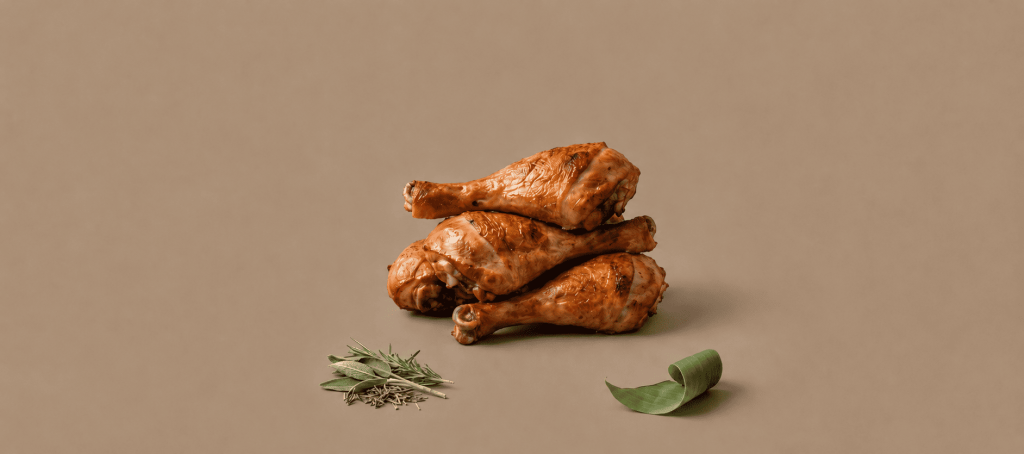
It’s Thanksgiving. The turkey is out of the oven, the house smells incredible, and your cat is stationed directly beneath the carving board with laser-focused intensity.
You want to share. They want you to share. But should you?
Here’s the good news: unlike most human foods we’ve covered on this site, turkey is actually one of the very few human foods that aligns with what cats are biologically designed to eat. It’s a lean, high-protein, animal-based food — and cats are obligate carnivores.
But here’s the catch: the turkey on your Thanksgiving table is probably NOT safe for your cat. The seasonings, the skin, the bones, the butter, the gravy — every element of a traditional holiday turkey introduces risks that range from GI upset to life-threatening emergencies.
This guide covers exactly what vets say: what’s safe, what’s dangerous, and how to let your cat enjoy Thanksgiving without an emergency vet visit.
🔍 Quick Check: Not sure if a food is safe for your cat? Use our Cat Food Safety Checker to instantly verify any food — including turkey — against a veterinary-reviewed database. It takes 2 seconds.
The Veterinary Verdict: Can Cats Eat Turkey?
Yes — plain, fully cooked, boneless, skinless, unseasoned turkey meat is safe and even beneficial for cats.
According to the ASPCA, turkey is not listed as toxic to cats. In fact, turkey is a common protein source in many premium commercial cat foods. The American Veterinary Medical Association (AVMA) recommends that if you share Thanksgiving turkey with your pet, it should be plain, skinless, boneless, and given in small amounts.
Here’s the quick-reference breakdown:
| Factor | Verdict |
|---|---|
| Toxic to cats? | No (plain, cooked turkey meat) |
| Nutritionally beneficial? | Yes — high-quality animal protein |
| Safe as a treat? | Yes — plain, boneless, skinless, unseasoned |
| Thanksgiving turkey safe? | Depends — seasonings, bones, skin, and fat are all dangerous |
| Cooked bones safe? | NO — life-threatening emergency |
| Turkey skin safe? | No — pancreatitis risk |
| Raw turkey safe? | No — Salmonella and bacterial contamination |
| Safe for kittens? | Yes, in small amounts (plain, cooked, boneless) |
The key distinction: There’s a massive difference between plain cooked turkey and Thanksgiving turkey. Your cat can safely eat the first. The second is a minefield of hidden dangers.
Why Turkey Is Actually Good for Cats (When Prepared Right)
Unlike bread, peanut butter, or most human foods, turkey is genuinely species-appropriate for cats. Here’s why:
Nutritional Profile of Turkey for Cats
| Nutrient (per 100g cooked turkey breast) | Amount | Why It Matters for Cats |
|---|---|---|
| Protein | ~29g | Cats require 2–3× more protein than dogs; turkey delivers high-quality, complete animal protein |
| Fat | ~1.5g (breast, skinless) | Low-fat when served without skin — ideal for cats |
| Taurine | Present naturally | An essential amino acid cats cannot produce on their own — deficiency causes heart disease (DCM) and blindness |
| Vitamin B6 | ~0.8mg | Supports metabolism and nervous system function |
| Vitamin B12 | ~1.5μg | Essential for red blood cell production |
| Niacin (B3) | ~11mg | Cats cannot synthesize niacin from tryptophan like other animals can |
| Selenium | ~30μg | Antioxidant support, thyroid function |
| Phosphorus | ~230mg | Bone and dental health (monitor in kidney-disease cats) |
The Cornell University College of Veterinary Medicine explains that cats are obligate carnivores that require animal-based protein sources to meet their unique nutritional needs — including taurine, arachidonic acid, and preformed vitamin A. Turkey checks many of these boxes.
Bottom line: Plain, properly prepared turkey is one of the best human foods you can share with your cat. The problems arise entirely from how we prepare it for Thanksgiving.
The Cooked Bone Emergency: Why Turkey Bones Can Kill
This is the #1 Thanksgiving danger for cats.
Why Cooked Bones Are Dangerous
Raw bones have some natural flexibility. But when turkey bones are cooked, they lose moisture and become brittle. When a cat chews on them, they don’t crumble — they splinter into sharp, jagged shards that can cause:
1. Choking and Airway Obstruction
Bone fragments can lodge in the throat, blocking the airway. Cats’ small airways make this risk especially acute.
2. Oral and Esophageal Lacerations
Sharp bone shards can slice the gums, tongue, palate, and esophagus — causing significant pain and bleeding.
3. Gastrointestinal Obstruction
Larger bone pieces can create blockages in the stomach or intestines, preventing food and waste from passing. Obstruction often requires emergency surgery to resolve.
4. Intestinal Perforation and Peritonitis
The most severe outcome. Sharp bone fragments can puncture the intestinal wall, allowing bacteria and digestive contents to leak into the abdominal cavity. This causes peritonitis — a severe, often fatal infection that requires immediate emergency surgery.
Symptoms of Bone Ingestion
Watch for these signs within 1–72 hours after possible bone ingestion:
- Gagging, retching, or excessive drooling
- Pawing at the mouth
- Vomiting (especially with blood)
- Lethargy or weakness
- Abdominal pain (hunched posture, reluctance to be touched)
- Straining to defecate or blood in stool
- Loss of appetite
- Distended abdomen
What to Do
- Do NOT induce vomiting — sharp fragments can lacerate the esophagus on the way back up
- Call your veterinarian or ASPCA Animal Poison Control (888-426-4435) immediately
- Transport to an emergency veterinary hospital if any symptoms appear
⚠️ Thanksgiving tip: Dispose of the turkey carcass in a securely sealed, pet-proof trash container immediately after carving. Cats are resourceful scavengers — an unguarded carcass is an open invitation.
Turkey Skin, Fat & Gravy: The Pancreatitis Risk
Why Turkey Skin Is Dangerous for Cats
Turkey skin is a cat’s most coveted part of the bird — and one of the most dangerous. It’s loaded with:
- Rendered fat (the skin alone contains ~44% fat)
- Butter or oil (commonly rubbed under the skin before roasting)
- Seasonings (garlic, onion, herbs, salt)
- Pan drippings absorbed during cooking
This combination creates a high-fat, high-sodium, potentially toxic food item.
The Pancreatitis Connection
While the Merck Veterinary Manual notes that the direct link between high-fat diets and feline pancreatitis is less established than in dogs, veterinarians still strongly advise against feeding fatty foods to cats. Rich, fatty foods can cause:
- Acute GI distress — vomiting, diarrhea, abdominal pain
- Pancreatitis in susceptible cats — especially those with pre-existing conditions
- Hepatic lipidosis risk — fatty liver disease, particularly in cats that subsequently lose appetite
Gravy Is Also Off-Limits
Turkey gravy typically contains:
- Pan drippings (extremely high fat)
- Flour or cornstarch (unnecessary carbohydrates)
- Salt (excessive sodium)
- Onion or garlic (toxic to cats)
- Butter (lactose, additional fat)
Never pour gravy on your cat’s food — even a small amount can trigger GI upset.
Thanksgiving Seasonings That Are Toxic to Cats
The seasonings that make Thanksgiving turkey delicious are often the same ones that make it dangerous for cats. According to the ASPCA’s toxic food database and the Merck Veterinary Manual:
| Seasoning/Ingredient | Toxicity Level | Danger |
|---|---|---|
| Garlic | 🔴 TOXIC | 3–5× more toxic than onions; causes Heinz body anemia; damage is cumulative |
| Onion (all forms) | 🔴 TOXIC | Destroys red blood cells; all forms dangerous (raw, cooked, powdered) |
| Chives / Leeks / Shallots | 🔴 TOXIC | Same Allium family; same hemolytic effects |
| Sage (large quantities) | 🟠 CAUTION | Contains essential oils that can cause GI upset; small traces are typically fine |
| Nutmeg | 🔴 TOXIC | Contains myristicin; can cause hallucinations, seizures, and elevated heart rate |
| Excessive salt | 🟠 CAUTION | Can cause sodium ion poisoning in large amounts |
| Black pepper (large amounts) | 🟠 CAUTION | GI irritant; small amounts generally tolerated |
| Butter / Cooking oils | 🟠 CAUTION | High fat content; GI upset and pancreatitis risk |
The Hidden Danger: Garlic Butter Under the Skin
Many Thanksgiving recipes call for rubbing garlic butter (or garlic-herb compound butter) under and over the turkey skin before roasting. This means the entire surface of the bird — including the breast meat directly beneath the skin — may be contaminated with garlic.
Even if you remove the skin, the meat underneath may have absorbed enough garlic compounds to pose a risk to cats. If your turkey was prepared with garlic, it’s safest to set aside a small, plain portion before seasoning or skip sharing entirely.
🔍 Not sure if a Thanksgiving ingredient is safe? Type any food into our Cat Food Safety Checker for an instant safety verdict with detailed notes and portion guidance.
Raw Turkey: The Salmonella Question
Do not feed your cat raw turkey.
While some advocates promote raw diets for cats, the FDA and CDC both warn against raw meat diets due to significant bacterial contamination risks:
- Salmonella — can cause fever, lethargy, vomiting, diarrhea, and abdominal pain in cats
- E. coli — gastrointestinal infection
- Listeria monocytogenes — particularly dangerous for immunocompromised cats
- Campylobacter — common in raw poultry
Critical cross-contamination risk: Even if your cat tolerates raw turkey, they can shed Salmonella bacteria in their saliva and feces for days to weeks after eating contaminated meat — putting children, elderly family members, and immunocompromised individuals in your household at risk.
Thanksgiving-specific risk: Raw turkey juices dripping from the countertop, thawing trays left accessible, or unattended raw stuffing with raw turkey contact are all potential exposure points during holiday food prep.
How Much Turkey Can a Cat Safely Eat?
If the turkey is plain, fully cooked, boneless, skinless, and unseasoned, here are the vet-aligned serving guidelines:
Safe Serving Size by Cat Weight
| Cat Weight | Maximum Turkey | Approximate Calories | Frequency |
|---|---|---|---|
| 2–3 kg (4.4–6.6 lbs) | 1 tablespoon shredded (~15g) | ~22 calories | Occasional treat; not daily |
| 3–4.5 kg (6.6–10 lbs) | 1–2 tablespoons (~15–30g) | ~22–44 calories | Occasional treat; not daily |
| 4.5–6 kg (10–13 lbs) | 2 tablespoons (~30g) | ~44 calories | Occasional treat; not daily |
| 6+ kg (13+ lbs) | 2–3 tablespoons (~30–45g) | ~44–66 calories | Occasional treat; not daily |
The 10% Treat Rule
The World Small Animal Veterinary Association (WSAVA) Global Nutrition Guidelines recommend that treats should make up no more than 10% of a cat’s daily caloric intake. For most adult cats, that’s approximately 20–30 calories from treats per day.
Turkey is relatively low-calorie compared to other human foods (about 145 calories per 100g of cooked breast), so it fits within the treat budget more comfortably than most options — another reason it’s one of the better human foods for cats.
🔢 How many calories does YOUR cat need? Use our Cat Food Calculator to get a personalized daily calorie recommendation based on your cat’s weight, age, and activity level. It makes calculating that 10% treat budget simple.
How to Prepare Turkey Safely for Your Cat
The safest approach is to prepare your cat’s portion separately from the Thanksgiving bird. Here’s the gold-standard protocol:
The Best Method: Set Aside Before Seasoning
- Before rubbing the turkey with butter, garlic, herbs, or any seasonings, cut off a small portion of breast meat (about 30–50g per cat)
- Place the plain portion in a small oven-safe dish
- Cook it alongside the main turkey until the internal temperature reaches 165°F (74°C)
- Let it cool to room temperature
- Shred into small, bite-sized pieces
- Serve in your cat’s regular bowl
If You Forgot to Set Aside a Portion
If the entire turkey was seasoned:
- Choose meat from the deepest interior of the breast — furthest from the seasoned surface
- Avoid any meat that was near garlic, onion, or herb-rubbed areas
- Remove all skin — even if it looks clean
- Check for and remove any small bones or cartilage
- Rinse the meat briefly under water to remove surface seasonings (this won’t remove absorbed compounds, but helps with surface salt and herbs)
- Shred into small pieces and serve a very small amount
What to NEVER Give Your Cat
- ❌ Turkey skin (high fat, seasoned, potentially toxic)
- ❌ Turkey bones (cooked bones splinter)
- ❌ Dark meat with visible fat
- ❌ Meat from garlic/onion-seasoned areas
- ❌ Turkey drippings or gravy
- ❌ Turkey stuffing/dressing
- ❌ Fried or deep-fried turkey
- ❌ Deli turkey / processed turkey (high sodium, preservatives, nitrates)
Can Kittens Eat Turkey?
Yes — but with extra caution.
Unlike bread or peanut butter, plain cooked turkey is actually nutritionally appropriate for kittens since it’s an animal-based protein. However, the 2021 AAHA/AAFP Feline Life Stage Guidelines emphasize that kittens have specific nutritional requirements for growth that should primarily be met through complete, balanced kitten food.
Guidelines for kittens:
- ✅ Only plain, fully cooked, boneless, skinless, unseasoned turkey breast
- ✅ Shredded into very small pieces to prevent choking
- ✅ No more than 1 teaspoon as an occasional treat
- ✅ Should never replace their balanced kitten food
- ❌ No skin, fat, bones, seasoning, or gravy — ever
🐱 Curious about your kitten’s development stage? Our Cat Age Calculator converts your cat’s age to human years and tells you exactly which life stage they’re in — kitten, junior, prime, or beyond — with health tips tailored to each stage.
Complete Thanksgiving Food Safety Table for Cats
Here’s your at-a-glance reference for every common Thanksgiving dish:
| Thanksgiving Food | Safe for Cats? | Key Concern |
|---|---|---|
| Plain cooked turkey breast | ✅ Safe | Boneless, skinless, unseasoned only |
| Turkey skin | 🔴 Not safe | High fat, absorbed seasonings, pancreatitis risk |
| Turkey bones | 🔴 EMERGENCY | Splinter and can perforate intestines |
| Turkey gravy | 🔴 Not safe | High fat, onion/garlic, excessive sodium |
| Stuffing / Dressing | 🔴 Not safe | Onions, garlic, butter, herbs, bread |
| Mashed potatoes | 🟠 Risky | Usually contain butter, milk, garlic |
| Plain sweet potato | 🟡 Small amounts OK | No marshmallows, brown sugar, or butter |
| Cranberry sauce | 🟠 Not recommended | High sugar; no nutritional value |
| Green bean casserole | 🔴 Not safe | Cream, onions, salt |
| Plain green beans | 🟡 Small amounts OK | Cooked, no seasoning |
| Corn on the cob | 🟠 Not recommended | Hard to digest; cob is a choking/obstruction hazard |
| Bread rolls | 🟠 Not recommended | Empty carbs; no nutritional value |
| Raw dough | 🔴 EMERGENCY | Ethanol poisoning + gastric distention |
| Pumpkin pie | 🔴 Not safe | Sugar, spices (nutmeg is toxic), cream |
| Plain pumpkin purée | ✅ Small amounts OK | Good for digestion — not pie filling |
| Chocolate desserts | 🔴 TOXIC | Theobromine and caffeine |
| Pecan pie / Walnuts | 🔴 Not safe | High fat; some nuts are toxic |
| Alcohol (wine, beer) | 🔴 TOXIC | Even small amounts are dangerous |
| Ham | 🟠 Not recommended | Extremely high sodium; fatty |
| Cheese plate | 🟠 Small amounts | Most cats are lactose intolerant |
| Grapes / Raisins | 🔴 TOXIC | Can cause acute kidney failure |
🔍 Not on this list? Type any food into our Cat Food Safety Checker for an instant safety verdict.
Hidden Thanksgiving Dangers Beyond Food
The AVMA’s Thanksgiving pet safety guidelines highlight several non-food hazards that spike during the holiday:
🗑️ The Trash Can
The turkey carcass, bones, skin, aluminum foil, cooking string, and plastic wrap are all irresistible to cats — and all dangerous. Secure your trash immediately after the meal in a pet-proof container with a locking lid.
🧵 Cooking String and Twine
The string used to truss the turkey is often soaked in drippings and smells irresistible. If swallowed, string can cause a linear foreign body obstruction — one of the most dangerous intestinal emergencies in cats. The string anchors in the stomach while the intestines continue to contract around it, leading to intestinal bunching and perforation.
🕯️ Candles and Decorations
Thanksgiving candles, cornucopias, and decorative plants (some of which may be toxic) are at peak accessibility during the holiday.
🚪 Guests and Open Doors
Frequent door openings for arriving and departing guests create escape opportunities for indoor cats. The stress of a crowded, noisy house can also cause anxiety-related behavioral issues.
💊 Holiday Stress
Cats are creatures of routine. Thanksgiving disrupts their environment with unfamiliar people, noise, smells, and schedule changes. Provide your cat with a quiet, safe retreat room with their litter box, water, food, and familiar bedding.
Frequently Asked Questions
Can cats eat turkey every day?
Small amounts of plain, cooked turkey can be given regularly, but it should never replace a complete and balanced cat food. Turkey alone doesn’t provide all the nutrients cats need (including the correct calcium-to-phosphorus ratio, vitamin A, and other micronutrients). Use turkey as an occasional supplement or treat, not a staple.
Can cats eat deli turkey / lunch meat?
Not recommended. Deli turkey is heavily processed and contains high levels of sodium, preservatives (nitrates/nitrites), and sometimes garlic or onion powder. The sodium content alone (typically 300–500mg per serving) far exceeds what’s safe for a cat. Always choose fresh, home-cooked, plain turkey instead.
Can cats eat turkey giblets (heart, liver, gizzard)?
Yes, if cooked plain. Turkey giblets are actually excellent for cats — they’re organ meats packed with taurine, iron, and B vitamins. However, they must be fully cooked, unseasoned, and served in small amounts. Never feed raw giblets due to bacterial contamination risk.
Can cats eat ground turkey?
Yes, if cooked plain. Ground turkey is a convenient way to serve turkey to cats. Cook it thoroughly without oil, butter, or any seasonings. Drain any excess fat before serving.
Is turkey better than chicken for cats?
Both are excellent protein sources. Turkey breast is slightly leaner than chicken breast (1.5g fat vs. 3g fat per 100g), but the difference is minimal. Both provide high-quality, species-appropriate animal protein.
What if my cat ate turkey bones?
If your cat has eaten cooked turkey bones, contact your veterinarian immediately — even if they seem fine. Bone fragments can take hours to cause symptoms. Do not induce vomiting. Your vet may recommend X-rays to check for obstruction or perforation.
Can cats eat fried turkey?
No. Fried turkey is soaked in oil, dramatically increasing the fat content. It also typically includes heavy seasoning. The extreme fat load increases pancreatitis risk and can cause severe GI distress.
What if my cat got into the Thanksgiving trash?
Call your vet if your cat may have consumed bones, string, aluminum foil, fatty skin, or any food containing toxic ingredients. Even if they seem fine, monitor closely for 24–72 hours for vomiting, diarrhea, lethargy, or abdominal pain.
Can cats eat turkey-flavored cat food instead?
Yes — this is actually the safest option. Turkey-flavored commercial cat food is formulated to meet all of a cat’s nutritional needs while providing the turkey flavor they love. It eliminates all the risks associated with table turkey.
Can pregnant or nursing cats eat turkey?
Yes — plain, cooked turkey is safe and even beneficial for pregnant or nursing cats, as they require additional high-quality protein. However, it should supplement — not replace — their complete and balanced cat food, which should be a kitten formula during pregnancy and nursing to meet elevated nutritional demands.
🤰 Expecting kittens? Our Cat Pregnancy Calculator helps you estimate your cat’s due date and provides week-by-week nutrition and care guidance throughout the pregnancy.
Final Verdict: Can You Share Thanksgiving Turkey With Your Cat?
Absolutely — if you do it right.
Turkey is actually one of the best human foods you can share with your cat. It’s a species-appropriate, high-protein, taurine-containing, lean meat that aligns with feline nutritional needs. Unlike bread, peanut butter, or most human snacks, plain turkey actually provides real nutritional value to your cat.
But the Thanksgiving version of turkey is a different story. The seasonings, skin, bones, fat, and gravy transform a cat-safe protein into a potential emergency.
The Safe Way to Share
- ✅ Set aside a small, plain portion BEFORE seasoning the bird
- ✅ Boneless, skinless, fully cooked to 165°F (74°C)
- ✅ Shredded into small pieces
- ✅ 1–2 tablespoons for an average cat
- ✅ Serve at room temperature
The Absolute Don’ts
- ❌ No cooked bones — they splinter and can kill
- ❌ No skin — high fat, absorbed seasonings
- ❌ No gravy, stuffing, or seasoned drippings
- ❌ No garlic, onion, nutmeg, or heavy salt
- ❌ No raw turkey — bacterial contamination risk
- ❌ No deli/processed turkey — excessive sodium and preservatives
- ❌ Secure the trash — bones, string, and carcass are deadly hazards
The Easiest Option
If in doubt, skip the table turkey entirely and give your cat a turkey-flavored commercial cat treat. They get the flavor they want with zero risk.
Keep Your Cat Safe This Thanksgiving With CatFoodCheck
Not sure whether a Thanksgiving dish is safe for your cat? Don’t guess — check it in seconds.
🔍 Use the Cat Food Safety Checker →
Check any food against our veterinary-reviewed database for an instant safety verdict, portion guidance, and health warnings. 200+ foods verified & 100% vet-reviewed.
🔢 Cat Food Calculator →
Find out exactly how many daily calories your cat needs based on their weight, age, and activity level.
🐱 Cat Age Calculator →
Convert your cat’s age to human years and discover life-stage-specific health tips.
🤰 Cat Pregnancy Calculator →
Estimate your cat’s due date and get week-by-week pregnancy care guidance.
Sources & References
- ASPCA Animal Poison Control Center — People Foods to Avoid Feeding Your Pets
- American Veterinary Medical Association (AVMA) — Thanksgiving Pet Safety
- Cornell University College of Veterinary Medicine — Feeding Your Cat
- VCA Animal Hospitals — Taurine in Cats
- Merck Veterinary Manual — Pancreatitis in Small Animals
- Merck Veterinary Manual — Allium spp. Toxicosis
- U.S. Food & Drug Administration (FDA) — Get the Facts About Raw Pet Food Diets
- Centers for Disease Control and Prevention (CDC) — Pet Food Safety
- World Small Animal Veterinary Association (WSAVA) — Global Nutrition Guidelines
- Association for Pet Obesity Prevention (APOP) — 2024 Pet Obesity Survey Results
- AAHA/AAFP (2021) — Feline Life Stage Guidelines
- Pet Poison Helpline — Holiday Food Dangers
This article is for informational purposes only and does not replace professional veterinary advice. If your cat has eaten something potentially harmful, contact your veterinarian immediately.
Last Updated: July 2026