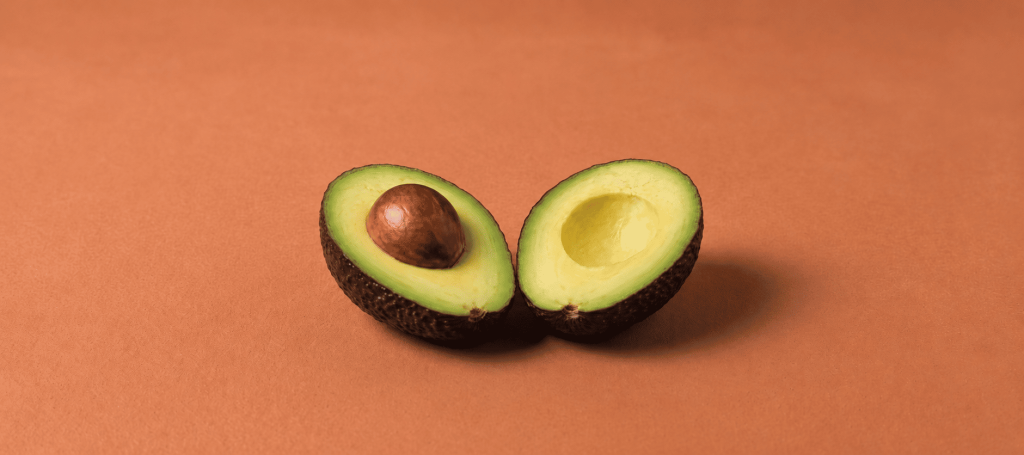
Your cat is staring at your avocado toast with the focused intensity of a tiny green-eyed predator. Before you break off a corner, it’s worth asking the question that trips up even experienced cat owners: can cats eat avocado safely, or is it one of those “healthy for humans, hazardous for pets” foods?
The short answer is complicated — and most of the confusion comes down to a single plant compound called persin. Below, we’ll unpack exactly what persin is, why it’s a genuine killer for some animals but only a mild concern for cats, which parts of the avocado are actually dangerous, and precisely what to do if your cat gets into one.
Quick answer: Can cats eat avocado?
A tiny amount of plain, ripe avocado flesh is unlikely to seriously harm a healthy adult cat — cats are far less sensitive to persin than birds or livestock, and there are no confirmed reports of persin killing a cat. However, avocado offers cats no nutritional benefit, is high in fat, and comes with real hazards in its other parts. The pit, skin, and leaves carry more persin and pose a choking and intestinal-blockage risk, and guacamole is genuinely dangerous because of the onion and garlic it usually contains.
Bottom line: Don’t intentionally feed avocado to your cat. If your cat steals a small lick of plain flesh, monitor rather than panic. Keep pits, peels, and avocado houseplants well out of reach — and call your vet or a poison hotline if your cat eats a large amount or any of the risky parts.
What is persin? The “persin problem,” explained
Persin is a natural, oil-soluble fungicidal compound produced by the avocado tree (Persea americana). The plant makes it to defend itself against fungal and mold attacks. It’s concentrated in the parts of the plant that need the most protection — the leaves, bark, skin, and seed — and appears in much smaller amounts in the ripe green flesh we actually eat.
For humans, persin is essentially a non-issue: the levels in the flesh are so low that avocado is a celebrated health food, and only people with a true avocado allergy tend to react. But persin’s toxicity varies dramatically from species to species. According to the Merck Veterinary Manual, ingesting avocado has been linked to myocardial necrosis (death of heart-muscle tissue) in susceptible mammals and birds, and to sterile mastitis in lactating animals. That’s the heart of the “persin problem” — the same compound that’s harmless on your morning toast can cause organ damage or death in the wrong animal.
The critical question for cat owners, then, isn’t “does avocado contain a toxin?” (it does). It’s “how sensitive is a cat to that toxin?” — and the answer is: not very.
Why persin is deadly for some animals but not cats
Persin sensitivity is wildly species-dependent. Here’s how the risk breaks down across common animals, based on veterinary toxicology data:
| Animal | Sensitivity to persin | What can happen |
|---|---|---|
| Birds (budgies, canaries, cockatiels, parrots) | Extreme | Just 1 gram of fruit caused agitation and feather-pulling in budgerigars; ~8.7 g of mashed fruit caused death within 48 hours. Respiratory distress, fluid around the heart/lungs, and sudden death are common. |
| Ruminants (cattle, sheep, goats) | Very high | Mastitis, heart failure, swollen/edematous head and neck. For some, the first “symptom” is sudden death. |
| Horses & donkeys | High | Colic, mastitis, heart injury, facial and neck swelling. |
| Rabbits, guinea pigs, rodents | High | Congestion, difficulty breathing, fluid around the heart. |
| Dogs | Low | Mainly stomach upset (vomiting, diarrhea). The bigger risks are the pit and the fat, not persin itself. |
| Cats | Low | Possible mild GI upset. No confirmed persin deaths. Bigger risks are the pit and the fat. |
This is why bird owners are told, in no uncertain terms, to never let their parrot near avocado, while the guidance for cats is far more relaxed. As board-certified veterinary toxicologist Dr. Ahna Brutlag of Pet Poison Helpline puts it, avocado “does not appear to be highly toxic to dogs and cats,” and in most cases pets eating small amounts of the fruit are not expected to be poisoned.
That doesn’t mean avocado gets a clean pass for cats — it just means persin isn’t the main thing you should be worried about.
So can cats eat avocado flesh? The honest, nuanced answer
Here’s where reputable sources appear to disagree — and why it’s worth understanding the nuance rather than just grabbing a headline.
- The ASPCA lists avocado as toxic to cats and dogs, noting that the persin in the leaves, fruit, seeds, and bark can cause vomiting and diarrhea.
- Veterinary toxicologists, meanwhile, emphasize that cats are not highly sensitive and that small amounts of flesh generally won’t poison them.
Both are true at once. Avocado flesh is mildly toxic to cats in the sense that a larger serving can upset the stomach — but it’s a long way from the life-threatening emergency it represents for a budgie. The practical takeaway is that a small lick of plain, ripe avocado is low-risk, but avocado is still a food with downsides and no upside for an obligate carnivore.
Remember what a cat actually is: a strict meat-eater whose metabolism evolved to process prey like mice, not fatty fruit. Cats don’t need fruits or vegetables at all, so there’s no nutritional reason to offer avocado in the first place. Add in the fat content and the hazards of the other parts, and the sensible position — shared by the ASPCA and Pet Poison Helpline — is simply: don’t make avocado part of your cat’s diet.
The parts of the avocado that are actually dangerous
Not all of an avocado carries the same risk. Persin concentration and physical hazard both change depending on which part your cat gets hold of:
| Part of the avocado | Persin level | Main danger |
|---|---|---|
| Ripe flesh | Lowest | High fat → GI upset; large amounts → possible vomiting |
| Skin / peel | High | More persin; tough, fibrous chunks can cause blockage |
| Pit / seed | High | Choking + intestinal obstruction (the biggest single hazard) |
| Leaves & stem | Very high | Most persin of all — a real risk if you keep an avocado houseplant |
| Bark | High | Persin exposure if a cat chews on a tree/plant |
Two hazards deserve special attention:
1. The pit is a serious obstruction risk. An avocado seed is large, hard, and roughly golf-ball-sized. If a cat (or, more often, a dog) swallows one, it can lodge in the esophagus, stomach, or intestines — sometimes requiring emergency surgery to remove. Never leave a pit where a curious pet can bat it around and mouth it.
2. The skin and leaves are the persin-heavy parts. If your cat is chewing on the leathery peel you were about to throw away — or nibbling the leaves of an avocado plant on your windowsill — take it away. These are the parts most likely to deliver a meaningful dose of persin and cause digestive blockage.
The hidden dangers beyond persin
Even if you set persin completely aside, avocado still isn’t a great idea for cats — for two reasons that have nothing to do with the plant’s fungicide.
Fat and the risk of pancreatitis
Avocados are famously rich in fat. That’s a selling point for humans, but a cat’s digestive system isn’t built for it. A sudden fatty treat can trigger gastrointestinal upset, and in some cases contribute to pancreatitis — a painful, potentially serious inflammation of the pancreas. Overweight cats and those with a history of digestive issues are especially vulnerable.
Choking and blockages
Beyond the pit, the fibrous chunks of flesh and pieces of skin can become lodged in a cat’s throat or digestive tract, leading to painful and potentially dangerous obstructions. Small cats and kittens are at greater risk simply because of their size.
Can cats eat guacamole? (No — and here’s the real reason)
If avocado flesh is only mildly risky, guacamole is a different story — and the danger has almost nothing to do with the avocado.
Do not give your cat guacamole. Standard guac recipes are loaded with ingredients that are genuinely toxic to cats:
- Onions and garlic contain compounds (thiosulphates and disulphides) that damage a cat’s red blood cells and can cause hemolytic anemia and Heinz-body anemia. Cats are especially sensitive to these alliums. The ASPCA’s list of people foods pets should never eat flags onions and garlic as a red-blood-cell hazard.
- Salt, in the quantities found in dips, is bad for cats.
- Chili, jalapeño, lime juice, cilantro, and tomato can cause significant stomach upset.
So while a cat licking a smear of plain avocado is a “monitor it” situation, a cat eating guacamole is a “call your vet” situation — because of what’s mixed in.
What about avocado oil and avocado in pet food?
You may have noticed that some commercial cat and dog foods actually list avocado or avocado oil as an ingredient — which understandably confuses owners.
Here’s the reconciliation: the avocado oil and specially processed avocado meal used in pet foods are formulated to be very low in (or free of) persin, and the amounts are considered safe by the manufacturers who use them. That’s very different from feeding your cat raw avocado flesh, skin, or a scoop of guacamole off the counter.
The safe rule of thumb: avocado in a properly formulated commercial pet food is fine; avocado from your kitchen is best kept to yourself. Don’t start dosing your cat with avocado oil on your own — if you’re looking to add healthy fats or address a skin/coat issue, ask your veterinarian for a cat-appropriate supplement instead.
Kittens, senior cats, and cats with health conditions: extra caution
General guidance (“small amounts of flesh are low-risk”) assumes a healthy adult cat. Some cats warrant extra care:
- Kittens are tiny, so the same bite represents a much bigger relative dose — and their small airways and digestive tracts make choking and blockage more likely.
- Senior cats and cats with kidney, pancreatic, or digestive conditions tolerate fatty, novel foods poorly.
- Pregnant or nursing cats should be kept away from persin sources entirely, given persin’s documented link to mastitis in lactating animals.
When in doubt, treat these cats as more sensitive, not less.
Symptoms to watch for if your cat eats avocado
Most healthy cats who nibble a little plain avocado flesh will be perfectly fine. But you should keep an eye out for the following in the 24–48 hours afterward, and contact your vet if you see them:
- Vomiting or diarrhea
- Loss of appetite
- Lethargy or unusual weakness
- Abdominal pain (hunched posture, tenderness, reluctance to be touched)
- Difficulty breathing
- Signs of choking, gagging, drooling, or repeated swallowing (possible obstruction)
Difficulty breathing, a suspected pit ingestion, or signs of a blockage are emergencies — don’t wait to “see if it passes.”
What to do if your cat ate avocado
Stay calm and work through these steps:
- Figure out what and how much. A single lick of plain flesh is very different from eating a chunk of skin, swallowing a pit, or getting into guacamole. Note the amount and the part.
- Remove access. Take away any remaining avocado, pits, or peels so your cat can’t eat more.
- Don’t induce vomiting on your own. Making a cat vomit can do more harm than good and is sometimes dangerous — only do it if a veterinary professional specifically tells you to.
- Watch closely. Monitor for the symptoms above over the next day or two.
- Call for expert help if there’s any real concern — a large amount eaten, any of the risky parts (pit, skin, leaves), guacamole, or any worrying symptoms:
- ASPCA Animal Poison Control Center: (888) 426-4435 — 24/7, 365 days a year (a consultation fee may apply)
- Pet Poison Helpline: (855) 764-7661 — 24/7 (a consultation fee may apply)
- Or contact your own veterinarian / nearest emergency vet clinic.
When you call, have your cat’s approximate weight, the part and amount of avocado eaten, the time it happened, and any symptoms ready. For general background on feline poisons, the Cornell Feline Health Center is a reliable, vet-authored resource.
Cat-safe alternatives to avocado
If you want to share a little something with your cat, skip the avocado and reach for treats that actually suit an obligate carnivore. Generally cat-friendly options (plain, unseasoned, and in small amounts) include:
- Small pieces of cooked, plain chicken, turkey, or fish (no bones, no seasoning)
- A lick of plain canned pumpkin (can help with digestion)
- A few cat-formulated treats or a spoonful of a vet-approved wet food
- Fresh water — many cats simply enjoy the attention and ritual of a “treat” moment
As with any new food, introduce it in tiny amounts and check with your vet if your cat has health conditions.
Frequently asked questions
Is avocado poisonous to cats? Avocado is only mildly toxic to cats. It contains persin, but cats are far less sensitive to it than birds or livestock, and there are no confirmed cases of persin killing a cat. The flesh’s fat content and the choking/obstruction risk from the pit and skin are bigger practical concerns than persin poisoning.
How much avocado is dangerous for a cat? A small lick or bite of plain, ripe flesh is generally low-risk for a healthy adult cat. Larger amounts can cause vomiting, diarrhea, and stomach upset. Any amount of the pit (obstruction risk), a lot of skin or leaves (more persin), or guacamole (onion/garlic) is a reason to call your vet.
Can cats eat guacamole? No. Guacamole usually contains onions and garlic, which damage cats’ red blood cells and can cause anemia, plus salt and spices that upset their stomachs. Keep it away from cats entirely.
Can cats eat avocado oil? The avocado oil used in some commercial pet foods is processed to be low in persin and is considered safe in those products. Don’t feed your cat raw avocado oil on your own — ask your vet about a cat-appropriate supplement instead.
My cat ate a piece of avocado — should I panic? Usually not, if it was a small amount of plain flesh. Remove any remaining avocado, watch for vomiting, diarrhea, or lethargy over the next day, and call your vet or a poison hotline if your cat ate a lot, got into the pit or skin, ate guacamole, or shows any concerning symptoms.
Are avocado plants and trees dangerous to cats? Yes — the leaves, stems, and bark contain the highest levels of persin. If you keep an avocado houseplant or live near avocado trees, make sure your cat can’t chew on the foliage.
The bottom line
So, can cats eat avocado? A small taste of plain flesh won’t poison a healthy cat, because cats aren’t very sensitive to persin — the compound at the center of the “persin problem.” But avocado gives your cat nothing it needs, and it brings real downsides: excess fat, a serious choking hazard in the pit, extra persin in the skin and leaves, and dangerous add-ins whenever it shows up as guacamole.
The smart, vet-aligned approach is simple: enjoy the avocado yourself, keep the pits and peels out of paw’s reach, and save the treats that are actually made for cats for your feline friend. If your cat does get into something questionable, you now know exactly what to watch for — and who to call.
This article is for general informational purposes only and is not a substitute for professional veterinary advice. Always consult your veterinarian about your specific cat, and contact a poison control hotline or emergency vet immediately if you suspect poisoning.
Authoritative sources referenced: ASPCA Animal Poison Control · ASPCA: Avocado (toxic plant profile) · ASPCA: The Scoop on Avocado and Your Pets · Merck Veterinary Manual: Avocado (Persea spp.) Toxicosis · Pet Poison Helpline · PetMD: Can Cats Eat Avocado? · Cornell Feline Health Center: Poisons