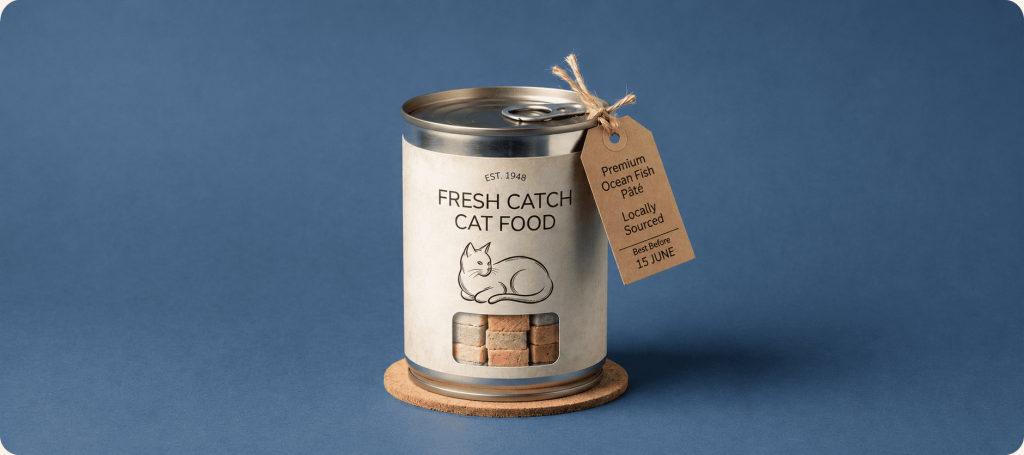
Walk down any pet food aisle, and you’ll be bombarded with marketing buzzwords: “premium,” “natural,” “gourmet,” “holistic,” “vet recommended.” Here’s the uncomfortable truth — none of those words are strictly regulated, and none of them tell you what’s actually inside the bag or can.
The only place the truth lives is on the ingredient list and guaranteed analysis panel, usually printed in tiny font on the back. Learning to read it is the single most powerful skill you can develop as a cat owner. It can help you avoid chronic digestive issues, skin allergies, obesity, urinary problems, and in some cases, serious long-term health risks.
Cats are obligate carnivores. Unlike dogs (and humans), they have a biological requirement for nutrients found only in animal tissue — taurine, arachidonic acid, preformed vitamin A, and high levels of animal protein. Many commercial cat foods, however, are built around cheap fillers, vague by-products, and synthetic additives designed to cut costs, extend shelf life, and make the food look appealing to you, not your cat.
This guide will teach you:
- How cat food labels actually work (and the loopholes manufacturers use)
- The specific ingredients to avoid — and why
- Ingredients that sound bad but are actually fine
- What a high-quality ingredient list looks like
- A quick-reference checklist you can use at the store
Let’s decode the label.
Part 1: How to Read a Cat Food Label (The Rules of the Game)
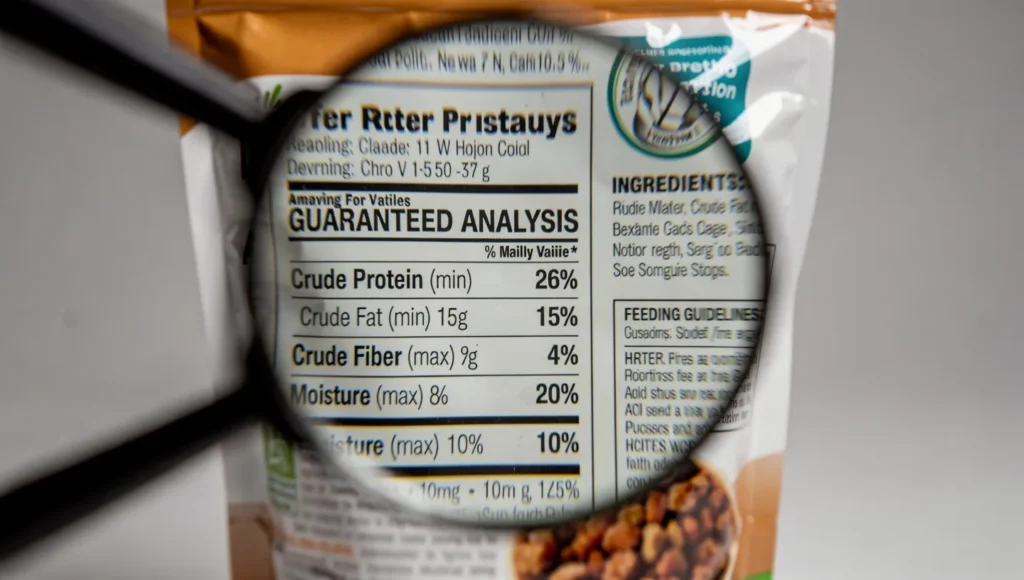
Before listing bad ingredients, you need to understand how the label itself is structured, because manufacturers exploit the rules in clever ways.
1. Ingredients Are Listed by Weight — Before Cooking
In most jurisdictions (following AAFCO guidelines in the US and similar frameworks elsewhere), ingredients must be listed in descending order by pre-cooked weight. This sounds straightforward, but it creates two famous loopholes:
The water-weight trick. Fresh “chicken” is roughly 70% water. When it’s listed first, it looks like the food is mostly chicken — but after cooking and dehydration, its actual contribution to the finished kibble may be far smaller than the corn or rice that follows it. A “chicken meal” (already dehydrated, only ~10% moisture) listed second or third may actually contribute more animal protein than fresh chicken listed first.
Ingredient splitting. A manufacturer can split one filler into several sub-ingredients so each appears lower on the list. For example: “ground corn, corn gluten meal, corn bran” might each appear in positions 3, 5, and 7 — but combined, corn could outweigh the meat listed first. Watch for multiple variations of the same grain or starch scattered through the list.
2. The “First Five” Rule
The first five ingredients typically make up the bulk of the food. If the first five are dominated by named animal proteins, you’re usually in good shape. If they’re dominated by grains, starches, plant proteins, or vague by-products, put the bag back.
3. Product Name Wording Is Legally Coded
In the US, AAFCO naming rules mean the product’s name tells you a lot:
- “Chicken Cat Food” — must be at least 95% chicken (excluding water).
- “Chicken Dinner / Entrée / Recipe / Formula” — only needs ~25% chicken.
- “Cat Food with Chicken” — needs as little as 3% chicken.
- “Chicken Flavor Cat Food” — may contain almost no actual chicken; just a detectable flavor.
The difference between “Chicken Cat Food” and “Chicken Flavor Cat Food” can be the difference between 95% and less than 1% chicken.
4. “Guaranteed Analysis” Needs Conversion
The guaranteed analysis lists minimum protein and fat and maximum fiber and moisture. To compare wet and dry food fairly, you must convert to a dry matter basis:
Dry matter % = (nutrient % ÷ (100 − moisture %)) × 100
A canned food showing “10% protein” at 78% moisture is actually 45% protein on a dry matter basis — far better than a dry food showing “30% protein” at 10% moisture (33% dry matter). Never compare the raw numbers directly.
5. Marketing Words That Mean Almost Nothing
Treat these terms as decoration, not information: premium, super-premium, gourmet, holistic, natural (loosely regulated), human-grade (rarely verified), ancestral, biologically appropriate, vet-formulated. The ingredient panel always outranks the front of the bag.
Part 2: Cat Food Ingredients to Avoid
Here is the heart of this guide — the ingredients that should make you pause, ranked roughly from “most concerning” to “context-dependent.”
1. Unnamed Meat Sources: “Meat,” “Meat By-Products,” “Animal Digest,” “Poultry”
Why avoid: If a label says “meat by-products” or “animal fat” without naming the species, the manufacturer either doesn’t know or doesn’t want to say what’s in it. Unnamed animal ingredients can come from inconsistent, low-quality sources that change batch to batch — a nightmare if your cat has food sensitivities, because you can never identify the trigger. “Animal digest” is a chemically or enzymatically treated slurry of unspecified animal tissue, sprayed on kibble to make it palatable.
The key distinction: “Chicken by-products” (named species) is meaningfully better than “meat by-products” (mystery species). Named organ meats can actually be nutritious — see Part 3.
Red flags on the label: meat meal, meat and bone meal, animal by-product meal, animal fat, animal digest, poultry by-product meal (borderline — at least the category is named).
Look for instead: Chicken, turkey, salmon, chicken meal, deboned turkey, chicken liver — specific, named animal sources.
2. Artificial Preservatives: BHA, BHT, and Ethoxyquin
Why avoid: These synthetic chemicals are used to keep fats from going rancid for a very long shelf life.
- BHA (butylated hydroxyanisole) is classified by some health agencies as a possible human carcinogen based on animal studies.
- BHT (butylated hydroxytoluene) has been linked to liver and kidney effects in high-dose animal research.
- Ethoxyquin was originally developed as a pesticide and rubber stabilizer. It’s banned or restricted in human food in many regions but can still enter pet food — often hidden inside fish meal, where it may be added by the supplier and therefore not appear on the label at all. If a food relies heavily on fish meal, contacting the manufacturer to ask about ethoxyquin is reasonable.
While these preservatives are technically permitted at low levels, cats eat the same food every day for years, so cumulative exposure matters more than for humans eating varied diets.
Look for instead: Natural preservatives — mixed tocopherols (vitamin E), ascorbic acid (vitamin C), rosemary extract. Note that naturally preserved foods have shorter shelf lives; check the “best by” date and store food properly.
3. Artificial Colors: Red 40, Blue 2, Yellow 5 & 6, Caramel Color
Why avoid: This one is simple — food dyes exist purely to please the human buying the food. Cats don’t care if their kibble is salmon-pink or shaped like little fish. Some dyes (notably Red 40, Yellow 5, Yellow 6) have been associated with hypersensitivity reactions and behavioral concerns in human studies, and caramel coloring can contain 4-MEI, a compound flagged as a possible carcinogen. Even if the risk is modest, there is zero benefit to offset it — colors are a pure negative on a label.
Rule of thumb: Brightly multi-colored kibble is almost always a marker of a lower-quality formula overall.
4. Carbohydrate Fillers in High Positions: Corn, Wheat, Soy
Why avoid (with nuance): Corn, wheat, and soy aren’t poison — but cats have minimal biological need for carbohydrates, limited salivary amylase, and a digestive system built for meat. When cheap grains or soy occupy the first few ingredient slots, the food is using plant matter to replace expensive animal protein.
Specific concerns:
- Corn gluten meal & soy protein artificially inflate the protein percentage on the guaranteed analysis with plant protein, which lacks taurine and has lower bioavailability for cats. A “40% protein” food driven by corn gluten is not equivalent to a 40% animal-protein food.
- High-carb dry diets are associated with feline obesity and are a frequent discussion point in diabetes-prone cats.
- Wheat and soy are among the more common triggers in cats with food sensitivities (though, importantly, beef, dairy, and fish are statistically more common allergens).
- Soy contains phytoestrogens and goitrogenic compounds, a debated concern for long-term thyroid health in cats.
Context matters: A small amount of whole grain in position 6–8 in an otherwise meat-rich food is not a crisis. Corn as the first ingredient in a “chicken flavor” food is.
5. Added Sugars and Sweeteners: Corn Syrup, Sucrose, Molasses, Dextrose, Propylene Glycol
Why avoid: Cats famously cannot even taste sweetness — they lack functional sweet receptors. Sugars appear in cat food (especially semi-moist foods and treats) to bind texture, retain moisture, and create habit-forming palatability. They contribute to obesity, dental disease, and unnecessary glycemic load.
Propylene glycol deserves special mention: this humectant is explicitly prohibited in cat food by the FDA because it can damage feline red blood cells (causing Heinz body anemia) — yet it still legally appears in some dog foods and treats. If you have a multi-pet household where the cat raids the dog’s bowl, check the dog food label too.
6. Carrageenan
Why avoid (debated): Carrageenan is a seaweed-derived thickener common in wet/canned cat food pâtés. Food-grade carrageenan is approved for use, but some laboratory research has linked its degraded form (poligeenan) — and possibly degradation of food-grade carrageenan during digestion — to intestinal inflammation. The evidence is contested, but cats with IBD or chronic GI issues may do better on carrageenan-free wet foods, of which there are now many.
Look for instead: Wet foods thickened with agar-agar, locust bean gum, or simply less gelling agent.
7. Excessive “Meal” Stacking from Vague Sources & 4D Risk
Rendered meals vary enormously in quality. A named meal from a reputable maker (“chicken meal,” “salmon meal”) is concentrated protein and perfectly acceptable. But generic “meat and bone meal” can legally include rendered material from questionable sources, sometimes referred to in the industry as 4D (dead, dying, diseased, disabled) animals, depending on the supplier and jurisdiction. The vaguer the name, the lower the floor on quality.
8. Menadione (Synthetic Vitamin K3)
Why avoid: Menadione sodium bisulfite complex is a cheap synthetic vitamin K source that has been associated with liver and red-blood-cell toxicity at high doses in research animals, and is not approved for long-term use in human supplements. Quality manufacturers achieve adequate vitamin K through better ingredients. It’s not an acute danger at label levels, but its presence is a useful quality marker — premium formulas rarely use it.
9. Excessive Salt and Flavor Enhancers
Salt appears in nearly all cat foods in small functional amounts. The concern is when salt, “natural flavors” of unspecified origin, and animal digest appear high on the list — a sign the food needs heavy flavor engineering to be palatable, often because the underlying ingredients aren’t appetizing. High sodium is a particular concern for cats with kidney or heart disease (always follow your vet’s guidance for cats with diagnosed conditions).
10. Garlic and Onion (in Any Form)
You’ll rarely see these in commercial cat food, but they show up in some treats, toppers, and “natural” boutique products. All members of the Allium family (onion, garlic, leek, chive) are toxic to cats, damaging red blood cells and potentially causing anemia. Garlic powder marketed as a “natural flea deterrent” is a myth that can harm your cat. Zero tolerance on this one.
11. Watch-List Items: Vegetable Oil, Generic “Fish,” Pea Protein Overload
- Generic “vegetable oil” or “animal fat”: unnamed fats are an inconsistent omega-6-heavy quality marker. Prefer chicken fat, salmon oil, sunflower oil — named sources.
- Unnamed “fish” / “ocean fish”: vague, allergy-untraceable, and more likely to carry preservative and heavy-metal variability. Named fish (salmon, herring, sardine) is better; smaller fish species generally carry lower mercury loads than large predatory fish like tuna, which is best as an occasional ingredient rather than a daily staple.
- Pea/legume protein stacking: common in grain-free formulas. Peas, pea protein, lentils, and chickpeas split across the list can mean plant protein is doing work that animal protein should. (In dogs, legume-heavy diets have been investigated in connection with diet-associated dilated cardiomyopathy; the picture in cats is less defined, but heavy legume stacking remains a quality red flag.)
Part 3: “Scary-Sounding” Ingredients That Are Actually Fine
Label literacy cuts both ways. Don’t be spooked by these:
| Ingredient | Why it’s fine |
|---|---|
| Chicken meal / salmon meal | Rendered, concentrated protein from a named source — often more protein-dense than fresh meat. |
| Chicken liver, heart, kidney | Named organ meats are nutrient powerhouses (taurine, vitamin A, iron, B vitamins). Wild cats eat organs first. |
| Taurine | An essential supplement for cats — its presence is a good sign. Deficiency causes heart disease (DCM) and blindness. |
| Tocopherols | Just vitamin E used as a natural preservative. |
| Ash | Not fireplace ash — it’s the mineral content (calcium, phosphorus, etc.) remaining after lab incineration testing. Moderate levels are normal. |
| Chelated minerals (e.g., zinc proteinate) | Minerals bound to amino acids for better absorption — a premium marker. |
| Choline chloride, biotin, niacin, pyridoxine… | The long chemical-sounding tail of the list is usually just the vitamin-mineral premix required for “complete and balanced” status. |
| Powdered cellulose (in moderation) | Plant fiber used for hairball control and stool quality; only a concern in large amounts. |
Part 4: What a Good Label Looks Like
A high-quality cat food ingredient list typically follows this pattern:
Deboned chicken, chicken meal, chicken liver, turkey meal, chicken fat (preserved with mixed tocopherols), dried egg, pea fiber, salmon oil, taurine, cranberries, chelated minerals, vitamins…
Notice the hallmarks:
- Named animal proteins occupy the first 3–5 slots (a mix of fresh meat + named meals is ideal).
- Named fat source, naturally preserved.
- Taurine explicitly listed.
- No artificial colors, no BHA/BHT/ethoxyquin, no sweeteners.
- Carbohydrates are modest, named, and low on the list.
- An AAFCO nutritional adequacy statement (“formulated to meet the nutritional levels established by the AAFCO Cat Food Nutrient Profiles for adult maintenance / all life stages”) — and ideally the stronger version: “animal feeding tests using AAFCO procedures substantiate…”
Wet vs. Dry: A Quick Note
Ingredient quality matters in both, but remember that moisture itself is a nutrient for cats. Cats evolved as desert animals with a low thirst drive; many vets favor incorporating wet food to support urinary and kidney health. A mediocre wet food can still beat an excellent dry food on hydration alone — ideally, choose a good wet food and you get both.
Part 5: Your 60-Second Store Checklist
Screenshot this and use it in the aisle:
Avoid if you see:
- ❌ Unnamed proteins: “meat,” “meat by-products,” “animal digest,” “animal fat”
- ❌ BHA, BHT, ethoxyquin
- ❌ Artificial colors (Red 40, Yellow 5/6, Blue 2, caramel color)
- ❌ Corn, wheat, or soy in the first 3 ingredients (or split into multiple entries)
- ❌ Corn gluten meal or soy protein doing the protein heavy-lifting
- ❌ Added sugars: corn syrup, sucrose, dextrose, molasses
- ❌ Propylene glycol (also check the dog’s food!)
- ❌ Garlic or onion in any form
- ❌ Menadione (vitamin K3) — a quality red flag
- ❌ “Flavor” in the product name when you expected real meat
Prefer when you see:
- ✅ Named animal protein as ingredient #1 (and ideally #2–3)
- ✅ Named meals (chicken meal) over generic meals (meat meal)
- ✅ Named fats: chicken fat, salmon oil
- ✅ Natural preservation: mixed tocopherols, rosemary extract
- ✅ Taurine on the label
- ✅ AAFCO “complete and balanced” statement (feeding-trial version is best)
- ✅ Chelated minerals
- ✅ High protein on a dry matter basis (convert wet food before comparing!)
Frequently Asked Questions
Are by-products always bad in cat food?
No. Named by-products (e.g., “chicken by-products”) can include nutritious organs like liver and heart. The problem is unnamed by-products (“meat by-products”), where quality and species are untraceable. Generic = avoid; named = acceptable, especially in budget foods.
Is grain-free cat food automatically better?
No. Many grain-free foods simply swap corn for potatoes, peas, and tapioca — sometimes ending up with more carbohydrates. Judge the food by its animal protein content and overall ingredient quality, not the “grain-free” badge. Cats with true grain allergies are relatively rare; protein sources like beef and fish are more common allergens.
Why is my “chicken flavor” food barely chicken?
Because of legal naming rules: “flavor” only requires a detectable taste, often achieved with animal digest. “With chicken” requires only ~3%. Look for foods named simply “Chicken Recipe” (≈25%+) or “Chicken Cat Food” (≈95%).
Is fish-based cat food safe every day?
Occasional fish is fine and cats love it, but daily large-fish (especially tuna-heavy) diets raise concerns about mercury exposure, thiamine balance, and potential ethoxyquin in fish meal. Rotate proteins, and favor smaller fish like salmon, herring, or sardines.
How do I switch foods after finding a better label?
Transition gradually over 7–10 days: start with ~25% new food mixed into the old, and increase the ratio every couple of days. Sudden switches commonly cause vomiting or diarrhea. Cats are also notorious neophobes — patience beats force.
Should I consult my vet about food choices?
Yes — especially if your cat has kidney disease, diabetes, urinary issues, allergies, or is a kitten or senior. Therapeutic diets sometimes contain ingredients this guide flags (like by-products or lower protein) for legitimate medical reasons. Medical needs override general label rules.
Final Thoughts: The Label Never Lies (If You Know How to Read It)
The front of a cat food bag is advertising. The back is a legal document. Once you can spot unnamed meats, artificial preservatives, dyes, sweeteners, and filler-stacking tricks, you’ll never be fooled by a cartoon cat and the word “gourmet” again.
You don’t need the most expensive food on the shelf — you need the most honest one: named animal proteins up top, natural preservation, taurine on the list, and nothing added purely to fool the human holding the bag.
Your cat can’t read the label. Now you can — and that makes all the difference.
Disclaimer: This article is for general informational purposes and is not a substitute for professional veterinary advice. Always consult your veterinarian before making significant changes to your cat’s diet, particularly for cats with existing health conditions.