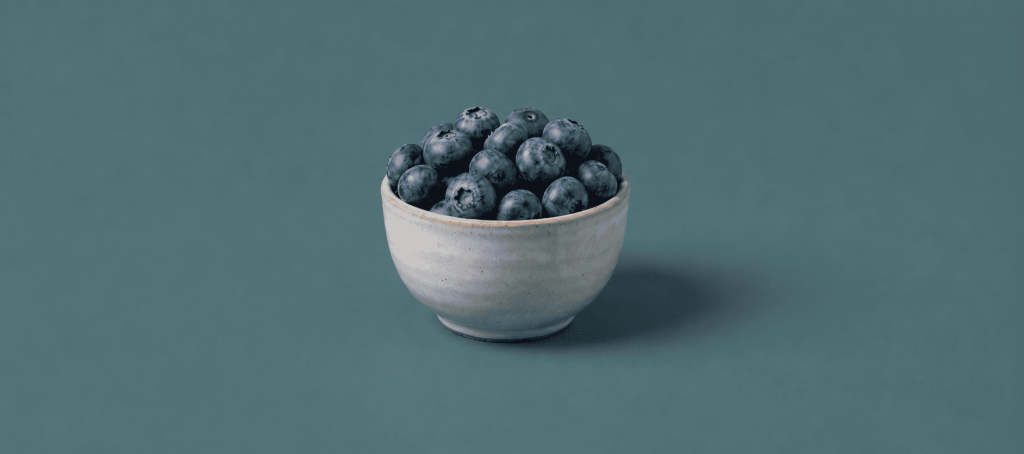
Blueberries are everywhere — smoothie bowls, breakfast cereals, health food marketing. They’ve been crowned the ultimate “superfood” for humans, loaded with antioxidants that fight everything from aging to inflammation.
So when your cat shows interest in that blueberry that rolled off the counter, you might wonder: can cats benefit from these same antioxidants?
Here’s the honest answer: blueberries are safe, but the “superfood” label doesn’t translate to felines. Cats process plant compounds entirely differently than humans — and the science behind antioxidant absorption in obligate carnivores paints a much more nuanced picture than most pet websites will tell you.
Let’s break it all down.
🔍 Quick Check: Not sure if a food is safe for your cat? Use our Cat Food Safety Checker to instantly verify any food — including blueberries — against a veterinary-reviewed database. It takes 2 seconds.
The Veterinary Verdict: Can Cats Eat Blueberries?
Yes — blueberries are non-toxic and safe for cats in small amounts.
The ASPCA does not list blueberries as toxic to cats. They contain no poisonous seeds, no cyanide precursors, no dangerous enzymes — which makes them one of the least dangerous fruits for felines. Many premium commercial cat foods even include blueberries as a minor ingredient.
Here’s the quick-reference breakdown:
| Factor | Verdict |
|---|---|
| Toxic to cats? | No |
| Contains dangerous seeds/pits? | No |
| Nutritionally beneficial? | Minimal — cats can’t efficiently absorb plant antioxidants |
| Safe as a treat? | Yes — in very small amounts |
| Recommended by vets? | Not specifically — provides little value an obligate carnivore can use |
| Found in commercial cat food? | Yes — as a minor supplemental ingredient |
| Safe for kittens? | In very small amounts, with caution (choking risk) |
| Better alternatives exist? | Yes — animal-based protein treats provide real nutrition |
The bottom line: Blueberries won’t hurt your cat. But the “superfood” hype doesn’t apply to felines the way it does to humans — and understanding why is what separates informed cat owners from the rest.
The Antioxidant Question: Can Cats Actually Benefit?
This is where the real nuance lives — and where most pet websites give you an oversimplified answer.
What Are Antioxidants and Why Do They Matter?
Antioxidants are compounds that neutralize free radicals — unstable molecules that damage cells, proteins, and DNA through a process called oxidative stress. In humans, oxidative stress is linked to aging, cancer, heart disease, cognitive decline, and chronic inflammation.
Blueberries are one of the most antioxidant-dense foods for humans, containing:
- Anthocyanins — the blue-purple pigments and primary antioxidants
- Vitamin C — water-soluble antioxidant
- Vitamin E — fat-soluble antioxidant
- Quercetin — a flavonoid with anti-inflammatory properties
- Manganese — enzyme cofactor for antioxidant defense
Can Cats Absorb Plant Antioxidants?
This is where the science gets complicated. While antioxidants clearly benefit humans, the feline body handles plant compounds very differently:
1. Glucuronidation Deficiency
Cats have a well-documented deficiency in glucuronidation — a critical Phase II liver detoxification pathway. This metabolic limitation means cats process many plant-derived compounds (including polyphenols like anthocyanins) differently than humans or dogs. Some compounds may be:
- Poorly metabolized and excreted unchanged
- Potentially accumulated at unpredictable levels
- Less bioavailable than in omnivorous species
2. Shorter Digestive Tract
As obligate carnivores, cats have a shorter GI tract optimized for rapid protein digestion — not the slow fermentation of plant fiber and phytochemical extraction that omnivore guts perform. This means less time and less enzymatic activity for breaking down and absorbing plant polyphenols.
3. Missing Digestive Enzymes
Cats lack salivary amylase (the enzyme that begins carbohydrate digestion in the mouth) and have reduced levels of pancreatic amylase and intestinal carbohydrase enzymes. This affects not just sugar absorption but the broader processing of plant-based molecules.
4. Limited Direct Evidence
According to veterinary nutritional research, direct studies on anthocyanin bioavailability in cats are extremely limited. Most claims about blueberry antioxidant benefits for cats are extrapolated from human or rodent studies — not feline-specific research.
The Honest Assessment
| Antioxidant Claim | Evidence in Cats |
|---|---|
| “Blueberries fight free radicals in cats” | Possible but unproven — limited feline bioavailability data |
| “Anthocyanins reduce inflammation in cats” | Extrapolated from other species — no robust feline clinical trials |
| “Blueberries boost cat immune systems” | Not demonstrated — commercial cat food already provides antioxidant support through balanced formulation |
| “Blueberries prevent cancer in cats” | No evidence — no feline-specific studies support this claim |
| “Blueberries improve cognitive function in aging cats” | Theoretical — supported in dogs and humans but not directly demonstrated in cats |
⚠️ Important: This doesn’t mean blueberry antioxidants do nothing in cats. Local gut-level effects (like supporting intestinal lining integrity) may occur even without systemic absorption. But the dramatic “superfood” narrative doesn’t have feline evidence behind it.
Why Cats Can’t Taste Sweetness — and Don’t Seek Fruit
A key piece of context: your cat cannot taste the sweetness of blueberries at all.
A landmark study published in PLOS Genetics (Li et al., 2005) discovered that cats have a non-functional Tas1r2 gene — the gene that encodes the sweet taste receptor protein. This pseudogene mutation is shared across the entire Felidae family.
What this means for blueberries:
- Your cat gets zero taste reward from the sugar in blueberries
- Any interest is driven by texture (the burst of the skin), moisture, novelty, or your attention — not flavor
- You’re not giving your cat a “treat” in the way they experience it — you’re giving them a squishy, mildly acidic object
The National Research Council (NRC) confirms that cats have no dietary requirement for carbohydrates, including sugars. Their metabolism is built to extract energy from protein and fat — not fructose.
Blueberry Nutrition: What They Offer vs. What Cats Need
Let’s compare what blueberries provide against what a cat actually requires:
| Nutrient | Blueberries (per 100g) | Cat’s Need | Verdict |
|---|---|---|---|
| Protein | 0.7g | HIGH requirement (~5.2g/kg/day) | ❌ Virtually none |
| Fat | 0.3g | Moderate requirement | ❌ Virtually none |
| Taurine | 0mg | Essential — deficiency → heart disease, blindness | ❌ Zero |
| Arachidonic acid | 0mg | Essential — can only get from animal fat | ❌ Zero |
| Vitamin A (preformed) | 0μg (only beta-carotene) | Essential — cats can’t convert beta-carotene | ❌ Zero usable |
| Vitamin C | 9.7mg | Not required — cats synthesize their own | ⚠️ Unnecessary |
| Fiber | 2.4g | Very low requirement | 🟡 Minimal benefit |
| Sugar | 10g | No requirement; limited metabolism | ⚠️ Empty calories |
| Water | 84g | Important | 🟡 Slight hydration benefit |
| Antioxidants (anthocyanins) | High (for humans) | Not established as essential | ⚠️ Limited bioavailability in cats |
| Calories | 57 kcal | ~200–300 kcal/day total | 🟡 Low calorie (positive) |
The Key Takeaway
Blueberries provide none of the essential nutrients cats cannot get elsewhere — no taurine, no arachidonic acid, no preformed vitamin A, no meaningful protein. A small piece of cooked chicken, turkey, or salmon delivers dramatically more species-appropriate nutrition in every category that matters.
Full List of Blueberry Risks for Cats
While blueberries are one of the safer fruits for cats, they’re not risk-free:
1. Sugar Content
Blueberries contain approximately 10g of sugar per 100g (a mix of fructose and glucose). While this is low compared to many fruits, cats have limited ability to metabolize sugar efficiently, and regular exposure can contribute to:
- Weight gain
- Insulin resistance
- Increased diabetes risk
According to the Association for Pet Obesity Prevention (APOP), over 33% of cats in the U.S. are classified as overweight or obese. Even low-sugar treats add up.
🔢 How many calories does YOUR cat need? Use our Cat Food Calculator to get a personalized daily calorie recommendation based on your cat’s weight, age, and activity level.
2. Gastrointestinal Upset
The fiber and natural sugars in blueberries can cause:
- Diarrhea — fermentation of undigested fiber and fructose
- Bloating and gas
- Stomach discomfort
- Vomiting (especially if a cat eats too many)
Cats with sensitive stomachs or inflammatory bowel disease (IBD) are particularly susceptible.
3. Choking Hazard
Whole blueberries are round and firm — the perfect shape to lodge in a small cat’s airway. This is especially dangerous for:
- Kittens (smaller airways)
- Cats that gulp food without chewing
- Senior cats with dental issues
- Brachycephalic breeds (flat-faced cats like Persians)
Always cut blueberries in half or mash them before offering to a cat.
4. Pesticide Residues
Blueberries are commonly treated with pesticides during cultivation. Always wash thoroughly before offering any to your cat, or choose organic berries.
5. Nutritional Displacement
Every blueberry a cat eats takes stomach space away from their nutritionally complete cat food — potentially leading to deficiencies in critical nutrients like taurine and arachidonic acid over time.
6. Diabetes Risk
Cats with existing diabetes or pre-diabetic conditions should never eat blueberries. The natural sugars can destabilize blood glucose management.
How Much Blueberry Can a Cat Safely Eat?
If you choose to give your cat blueberries, here are the vet-aligned portion guidelines:
Safe Serving Size by Cat Weight
| Cat Weight | Maximum Amount | Approximate Calories | Frequency |
|---|---|---|---|
| 2–3 kg (4.4–6.6 lbs) | 1–2 blueberries, halved | ~1–2 calories | No more than 1–2 times per week |
| 3–4.5 kg (6.6–10 lbs) | 2–3 blueberries, halved | ~2–3 calories | No more than 1–2 times per week |
| 4.5–6 kg (10–13 lbs) | 3–4 blueberries, halved | ~3–4 calories | No more than 1–2 times per week |
| 6+ kg (13+ lbs) | 4–5 blueberries, halved | ~4–5 calories | No more than 1–2 times per week |
The 10% Treat Rule
The World Small Animal Veterinary Association (WSAVA) Global Nutrition Guidelines recommend that treats make up no more than 10% of daily caloric intake. The good news: blueberries are so low in calories (~0.8 calories per berry) that they fit easily within this budget. The bad news: they’re also so low in feline-relevant nutrition that those treat calories would be better spent on something species-appropriate.
Can Cats Eat Different Blueberry Products?
Not all blueberry products are created equal:
| Blueberry Product | Safe for Cats? | Key Concerns |
|---|---|---|
| Fresh blueberries (washed, halved) | 🟢 Safest option | Low risk; cut in half to prevent choking |
| Frozen blueberries (thawed, halved) | 🟢 Safe | Same as fresh; thaw first to prevent tooth damage and choking |
| Frozen blueberries (still frozen) | 🟠 Caution | Hard = choking hazard + can crack teeth; thaw first |
| Organic blueberries | 🟢 Preferred | Lower pesticide exposure |
| Dried blueberries (unsweetened) | 🟡 Very small amounts | Concentrated sugar; sticky texture = dental risk |
| Dried blueberries (sweetened) | 🟠 Not recommended | Added sugar; preservatives; unnecessary |
| Blueberry muffins / Pancakes | 🔴 Not safe | Sugar, butter, flour, possible xylitol, chocolate chips |
| Blueberry jam / Preserves | 🔴 Not safe | Extremely high sugar; possible pectin and citric acid additives |
| Blueberry yogurt | 🟠 Not recommended | Most cats are lactose intolerant; added sugar; artificial flavors |
| Blueberry pie / Crumble | 🔴 Not safe | Sugar, butter, flour, nutmeg (toxic), cinnamon |
| Blueberry juice | 🟠 Not recommended | Concentrated sugar; no fiber; no nutritional value |
| Yogurt-coated blueberries | 🔴 Not recommended | Sugar coating; dairy; artificial additives |
| Blueberry supplements (human) | 🔴 Not safe | Concentrated doses; unknown feline safety profile; glucuronidation concerns |
| Blueberry-containing cat food | 🟢 Safe | Formulated for feline nutrition; appropriate levels |
| Blueberry-containing cat treats | 🟢 Safe | Follow package guidelines; count toward 10% treat budget |
🔍 Not sure about a specific blueberry product? Type it into our Cat Food Safety Checker for an instant safety verdict.
How to Serve Blueberries Safely to Your Cat
Step 1: Choose the Right Berries
- ✅ Fresh or frozen (thawed), whole blueberries
- ✅ Organic preferred (lower pesticide levels)
- ❌ No sweetened, dried, coated, or baked blueberry products
Step 2: Wash Thoroughly
- Rinse under running water, gently rubbing to remove surface pesticides, wax, and contaminants
Step 3: Cut in Half (or Mash)
- Always halve blueberries — whole berries are the perfect size and shape to lodge in a cat’s airway
- For kittens or small cats, mash the berries with a fork
- You can also mix mashed blueberry into their regular wet food
Step 4: Start Small
- Offer 1 berry (halved) for a first-time trial
- Place in your cat’s regular food bowl
Step 5: Monitor for 24 Hours
- Watch for diarrhea, vomiting, bloating, or loss of appetite
- If any GI upset occurs, don’t give blueberries again
Step 6: Limit Frequency
- No more than 1–2 times per week
- No other fruit treats on blueberry days
- Always count treat calories toward the 10% daily budget
Can Kittens Eat Blueberries?
Not recommended — but not dangerous in very small amounts.
The 2021 AAHA/AAFP Feline Life Stage Guidelines classify kittens as birth to 1 year — a period of rapid growth demanding calorie-dense, protein-rich food. Blueberries are a poor use of a kitten’s tiny calorie budget:
- Zero essential kitten nutrients — no taurine, no DHA, no animal protein
- Higher choking risk — kittens’ smaller airways make whole berries dangerous
- Immature digestive systems — more sensitive to fiber and unfamiliar foods
- Nutritional displacement — every berry replaces critical growth-supporting food
If you do give a kitten a blueberry, mash it thoroughly and limit to a tiny taste (~½ berry). But honestly — a small piece of cooked chicken is a dramatically better treat choice.
🐱 Curious about your kitten’s development stage? Our Cat Age Calculator converts your cat’s age to human years and tells you exactly which life stage they’re in — with health tips tailored to each stage.
How Blueberries Compare to Other Safe Fruits for Cats
If you’re considering fruit treats for your cat, here’s how blueberries stack up against other common non-toxic options:
| Fruit | Safety | Calories (per 100g) | Sugar | Key Advantage | Key Risk |
|---|---|---|---|---|---|
| Blueberries | 🟢 Safe | 57 | 10g | Lowest choking risk (when halved); antioxidants | Sugar; limited feline benefit |
| Watermelon (seedless) | 🟢 Safe | 30 | 6g | Very high water content; hydration | Seeds must be removed; very high water can cause loose stool |
| Cantaloupe | 🟢 Safe | 34 | 8g | Cats often attracted to the scent | Rind is not safe; higher sugar |
| Banana | 🟡 Safe (small amounts) | 89 | 12g | Potassium | High sugar; sticky texture; many cats dislike |
| Strawberries | 🟢 Safe | 32 | 5g | Lower sugar than most fruits | Must remove leaves and stem |
| Apple (seedless, peeled) | 🟡 Safe with prep | 52 | 10g | Crunchy texture some cats enjoy | Seeds are TOXIC (cyanide precursor); core is choking hazard |
| Grapes / Raisins | 🔴 TOXIC | — | — | None | Acute kidney failure — NEVER give |
| Citrus (lemon, lime, orange) | 🔴 TOXIC | — | — | None | Essential oils and psoralens — toxic to cats |
| Cherries | 🔴 TOXIC (pit, stem, leaves) | — | — | None | Cyanogenic glycosides (same as apple seeds) |
Blueberries rank as one of the safest fruit options primarily because they have no toxic parts, no dangerous seeds or pits, and a lower choking risk than most alternatives (when halved). But remember — no fruit provides meaningful nutrition for an obligate carnivore.
Frequently Asked Questions
Are blueberries a “superfood” for cats?
No. The “superfood” label is a human marketing term based on human nutritional science. Cats are obligate carnivores with fundamentally different metabolic pathways. They cannot taste sweetness, have limited ability to absorb plant polyphenols, and derive no essential nutrients from blueberries. While blueberries are among the safest fruits for cats, calling them a “superfood” for felines is misleading.
Can blueberries help my cat’s urinary tract?
Not proven. While cranberries (a related berry) have been studied for anti-adhesion properties against urinary bacteria, the clinical evidence for berry-based UTI prevention in cats is inconclusive. Many feline urinary conditions (like feline idiopathic cystitis) aren’t caused by bacteria at all. If your cat shows urinary symptoms (straining, frequent litter box trips, crying), see a vet immediately — don’t rely on berries.
Can blueberries help my senior cat’s brain?
Theoretical but unproven in cats. Studies in dogs and humans suggest anthocyanin-rich diets may support cognitive function in aging. However, no feline-specific clinical trials have demonstrated this benefit. If you’re concerned about cognitive decline in an aging cat, consult your vet about evidence-based interventions.
My cat ate a whole punnet of blueberries. Should I worry?
Monitor for GI upset. A large quantity of blueberries is unlikely to cause toxicity, but the fiber and sugar load can cause significant diarrhea, bloating, vomiting, and abdominal discomfort. Ensure your cat has access to plenty of fresh water and monitor for 24–48 hours. If symptoms are severe or persistent, contact your vet.
Can cats eat blueberry muffins?
No. Blueberry muffins contain sugar, butter, flour, and potentially xylitol (in “sugar-free” versions), chocolate chips, or nutmeg — all of which are harmful or toxic to cats. Never share baked goods with your cat.
Should I buy blueberry-flavored cat food?
It’s fine but unnecessary. Commercial cat food containing blueberries as a minor ingredient is safe and formulated to meet AAFCO nutritional standards. However, the blueberry content provides minimal functional benefit — the product’s value comes from its complete nutritional formulation, not the blueberries specifically. Don’t choose a cat food solely because it contains blueberries.
Can I give my cat blueberry supplements?
No — not without veterinary guidance. Human blueberry supplements contain concentrated doses of anthocyanins that are calibrated for human metabolism. Cats’ glucuronidation deficiency means they may process these concentrated compounds unpredictably. Never give human supplements to cats without explicit veterinary approval.
Are frozen blueberries safe for cats?
Yes, but thaw them first. Frozen blueberries are hard and can pose a choking hazard or damage teeth. Thaw to room temperature and cut in half before serving. Some cats enjoy the slightly different texture of thawed berries.
Do cats even like blueberries?
Most don’t. Since cats cannot taste sweetness (Tas1r2 gene mutation), they get nothing from the flavor. Some cats may be intrigued by the small, rolling shape (prey-like movement triggers), the burst of the skin, or simple curiosity. If your cat ignores blueberries entirely, that’s a perfectly healthy and normal response.
Can diabetic cats eat blueberries?
Not recommended. Blueberries contain natural sugars that can impact blood glucose levels. Diabetic cats require carefully managed, low-carbohydrate, high-protein diets — adding fruit sugar, even in small amounts, can complicate glycemic control.
Can pregnant or nursing cats eat blueberries?
Not recommended. Pregnant and nursing cats need calorie-dense, protein-rich nutrition. Every calorie should come from high-quality, animal-based, complete cat food (ideally kitten formula during pregnancy and nursing). Blueberries provide zero benefit during this critical period.
🤰 Expecting kittens? Our Cat Pregnancy Calculator helps you estimate your cat’s due date and provides week-by-week nutrition and care guidance throughout the pregnancy.
Final Verdict: Should You Give Your Cat Blueberries?
Blueberries are one of the safest fruits for cats — but “safe” and “beneficial” are very different things.
The Honest Summary
| Factor | Assessment |
|---|---|
| Toxic? | No — one of the safest fruits for cats |
| Nutritional benefit? | Minimal — no taurine, no protein, limited antioxidant absorption |
| “Superfood” for cats? | No — this is a human marketing claim, not feline science |
| Antioxidant benefit? | Possible at gut level; systemic absorption is limited and unproven in cats |
| Risk level? | Very low (choking if whole; GI upset if too many) |
| Better alternatives? | Yes — cooked chicken, turkey, or salmon provide actual species-appropriate nutrition |
If You Do Give Blueberries:
- ✅ Fresh or frozen (thawed), washed, organic preferred
- ✅ Always cut in half or mash (never whole — choking risk)
- ✅ 2–3 berries maximum, 1–2 times per week
- ✅ Monitor for GI upset for 24 hours
- ✅ Count toward 10% treat calorie budget
What You Should NEVER Give:
- ❌ Blueberry muffins, pie, jam, or baked goods
- ❌ Yogurt-coated or sweetened dried blueberries
- ❌ Blueberry juice (concentrated sugar)
- ❌ Human blueberry supplements (dosing + metabolism concerns)
- ❌ Blueberries to diabetic or GI-sensitive cats
The Best Approach:
If your cat shows genuine interest in blueberries, 2–3 halved berries once or twice a week is perfectly safe. But don’t go out of your way — a small piece of cooked chicken provides dramatically more species-appropriate nutrition, taurine your cat actually needs, and a treat they can genuinely enjoy through taste.
Keep Your Cat Safe With CatFoodCheck
Not sure whether a food is safe for your cat? Don’t guess — check it in seconds.
🔍 Use the Cat Food Safety Checker →
Check any food against our veterinary-reviewed database for an instant safety verdict, portion guidance, and health warnings. 200+ foods verified & 100% vet-reviewed.
🔢 Cat Food Calculator →
Find out exactly how many daily calories your cat needs based on their weight, age, and activity level.
🐱 Cat Age Calculator →
Convert your cat’s age to human years and discover life-stage-specific health tips.
🤰 Cat Pregnancy Calculator →
Estimate your cat’s due date and get week-by-week pregnancy care guidance.
Sources & References
- ASPCA Animal Poison Control Center — People Foods to Avoid Feeding Your Pets
- Cornell University College of Veterinary Medicine — Feeding Your Cat
- Li et al. (2005), PLOS Genetics — Pseudogenization of a Sweet-Receptor Gene Accounts for Cats’ Indifference Toward Sugar
- National Research Council (NRC) — Nutrient Requirements of Dogs and Cats
- VCA Animal Hospitals — Nutrition — General Feeding Guidelines for Cats
- World Small Animal Veterinary Association (WSAVA) — Global Nutrition Guidelines
- Association for Pet Obesity Prevention (APOP) — 2024 Pet Obesity Survey Results
- AAHA/AAFP (2021) — Feline Life Stage Guidelines
- Court & Greenblatt (2000), Xenobiotica — Molecular Genetic Basis for Deficient Biotransformation of Xenobiotics by Cats — glucuronidation deficiency in cats
- Hewson-Hughes et al. (2011), Journal of Experimental Biology — Feline macronutrient preference and obligate carnivore metabolism
- Pet Poison Helpline — Berry and Fruit Safety for Pets
- Tufts University Veterinary Nutrition — Feline Nutrition Research
This article is for informational purposes only and does not replace professional veterinary advice. If your cat has eaten something potentially harmful, contact your veterinarian immediately.
Last Updated: July 2026