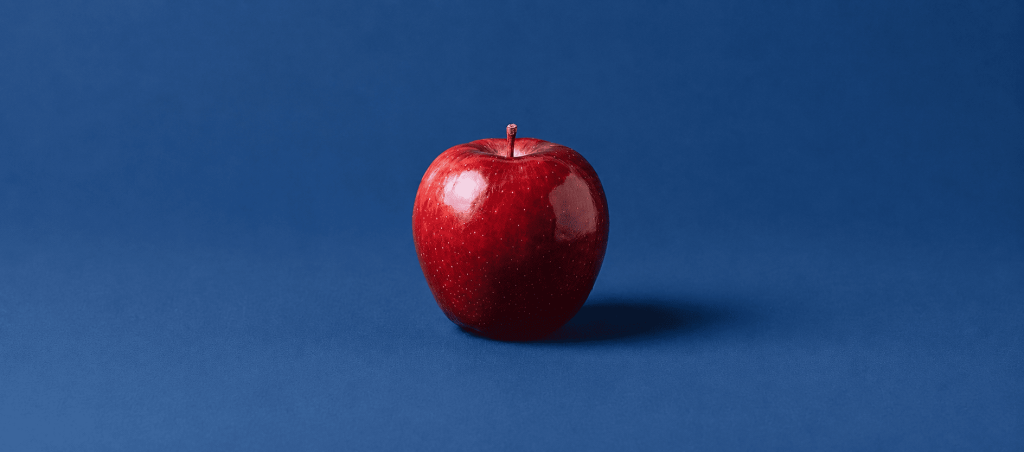
Your cat is on the counter again — this time batting at the apple you left next to the fruit bowl. Maybe they took a curious nibble. Maybe you’re wondering if a slice of apple would make a healthy treat.
So — can cats eat apples?
The short answer: a small piece of peeled, seedless apple flesh is not toxic to a healthy adult cat. But the full answer involves a hidden chemical weapon embedded in every apple’s seeds, a stem and leaf system that carries the same compound, and a feline biology that makes fruit fundamentally pointless for cats.
Here’s the complete breakdown — including the cyanide chemistry most cat owners never learn about.
🔍 Quick Check: Not sure if a food is safe for your cat? Use our Cat Food Safety Checker to instantly verify any food — including apples — against a veterinary-reviewed database. It takes 2 seconds.
The Veterinary Verdict: Can Cats Eat Apples?
Yes — the flesh only, in very small amounts, with all seeds, stem, core, and leaves removed.
According to the ASPCA, the apple plant (Malus domestica) is listed as toxic to cats — specifically due to the seeds, stems, and leaves, which contain cyanogenic glycosides. However, the flesh of the apple itself is not toxic.
Here’s the quick-reference breakdown:
| Factor | Verdict |
|---|---|
| Apple flesh toxic? | No |
| Apple seeds toxic? | YES — contain amygdalin (cyanide precursor) |
| Apple stem toxic? | YES — same cyanogenic glycosides |
| Apple leaves toxic? | YES — same cyanogenic glycosides |
| Apple core safe? | No — contains seeds + choking hazard |
| Nutritionally beneficial? | No — cats are obligate carnivores; they can’t taste sweetness or efficiently digest fructose |
| Safe as a rare treat? | Yes — flesh only, peeled, tiny amounts |
| Recommended by vets? | Not recommended — provides essentially no nutritional value to cats |
The Cornell University College of Veterinary Medicine confirms that cats are obligate carnivores with nutritional requirements centered entirely on animal-based proteins. Apples — while a healthy food for humans — provide nothing cats need and come with risks they don’t face from species-appropriate treats.
The Seed Danger: How Apple Seeds Release Cyanide
This is the most important section of this article.
Apple seeds aren’t just a choking hazard — they contain a compound called amygdalin, a cyanogenic glycoside that the body converts into hydrogen cyanide (HCN) when the seeds are chewed, crushed, or damaged during digestion.
The Chemistry: How It Works
- Apple seeds contain amygdalin — a naturally occurring compound stored within the seed’s structure
- When seeds are chewed or crushed, amygdalin is released
- Enzymes in the digestive tract (and within the seeds themselves) break amygdalin down into hydrogen cyanide (HCN), glucose, and benzaldehyde
- HCN enters the bloodstream and binds to cytochrome c oxidase in the mitochondria
- This blocks cellular respiration — cells can no longer use oxygen, even though oxygen is present in the blood
- The result: cellular suffocation — organs begin to fail
How Much Cyanide Do Apple Seeds Contain?
Each apple seed contains approximately 1–4 mg of amygdalin, which can release roughly 0.06–0.24 mg of HCN when metabolized. The estimated toxic dose of hydrogen cyanide is approximately 2 mg per kg of body weight.
For a 4 kg (8.8 lb) cat, the toxic dose would be approximately 8 mg of HCN — which could theoretically be reached by thoroughly chewing 30–130 apple seeds (depending on the variety and individual seed amygdalin content).
Why This Matters for Cats (Even in Small Amounts)
While a few swallowed (whole, unchewed) seeds are unlikely to release enough cyanide to cause acute poisoning, there are important reasons to take the seed danger seriously:
- Cats are very small — their body weight means a lower absolute toxic threshold compared to humans or dogs
- Cumulative exposure — the Merck Veterinary Manual notes that repeated sublethal exposures to cyanogenic glycosides can cause chronic effects
- Individual variation — some cats may be more sensitive than others
- Seeds can be crushed during chewing — cats don’t neatly separate seeds from flesh; if they bite into a core, seeds get crushed
- Children and pets are at higher risk — the National Capital Poison Center (Poison Control) categorizes apple seeds as a concern specifically because small body size amplifies the risk
Symptoms of Cyanide Exposure in Cats
According to the Merck Veterinary Manual, symptoms appear within 15 minutes to a few hours and include:
| Stage | Symptoms |
|---|---|
| Early | Rapid breathing (tachypnea), excitement, drooling |
| Moderate | Bright red gums (cherry-red mucous membranes), dilated pupils, vomiting |
| Severe | Muscle tremors, incoordination, weakness, seizures |
| Critical | Respiratory failure, collapse, coma, death |
The bright red gums are the hallmark sign — they occur because the blood is carrying oxygen but cells cannot use it, so venous blood remains unusually oxygenated.
What to Do If Your Cat Eats Apple Seeds
- Don’t panic — a few whole, unchewed seeds are unlikely to release enough cyanide for acute poisoning
- Assess the situation — did your cat chew the seeds or swallow them whole? How many? From how many apples?
- Contact your vet or the ASPCA Animal Poison Control Center (888-426-4435) if your cat chewed multiple seeds or is showing any symptoms
- Monitor for 2–4 hours — watch for rapid breathing, drooling, bright red gums, or lethargy
- Do not induce vomiting unless directed by a veterinarian
Other Toxic Parts of the Apple
The seeds aren’t the only dangerous component. The stem, leaves, and core of the apple all warrant attention:
Apple Stems
Stems contain the same cyanogenic glycosides as seeds. While a cat is unlikely to eat an apple stem deliberately, stems left in accessible fruit bowls can be chewed on during play.
Apple Leaves
Apple tree leaves contain cyanogenic glycosides in higher concentrations than seeds — particularly when leaves are wilted or stressed (after frost, drought, or being cut from the tree). If you have an apple tree in your yard or cat enclosure, this is a genuine hazard.
Apple Core
The core presents two dangers:
- Contains the seeds — the primary cyanide source
- Choking and obstruction hazard — the fibrous core can lodge in a cat’s throat or GI tract
Never give your cat an apple core. Always remove it completely.
Why Cats Can’t Taste Sweetness — and Don’t Need Fruit
Here’s a fascinating fact that changes the entire framing of this question: cats cannot taste sweetness at all.
The Missing Sweet Receptor
A landmark study published in PLOS Genetics (Li et al., 2005) discovered that cats have a non-functional Tas1r2 gene — the gene responsible for encoding the sweet taste receptor protein. This pseudogene mutation is shared across the entire cat family (Felidae), from housecats to tigers.
What this means:
- Cats physically cannot detect sweetness — the taste receptor doesn’t function
- They receive zero pleasure from the sugar in apples
- Any interest a cat shows in apples is due to texture, moisture, scent, or curiosity — not the taste
- You’re not “treating” your cat by giving them something sweet — they literally can’t appreciate it
Cats Can’t Efficiently Metabolize Fructose
Beyond not tasting it, cats’ bodies are poorly equipped to handle fruit sugar:
- Cats lack salivary amylase — the enzyme that begins carbohydrate digestion in the mouth
- They have reduced pancreatic amylase and intestinal carbohydrate enzymes compared to omnivores
- Cats lack glucokinase — a key liver enzyme for regulating glucose metabolism
- Research from Tufts University indicates cats excrete fructose largely unchanged in urine — their bodies simply can’t use it efficiently
The National Research Council (NRC) confirms that cats have no dietary requirement for carbohydrates and can synthesize all necessary glucose from protein.
Bottom line: Apples are a human health food. For cats, they’re nutritionally meaningless — and the seeds make them potentially dangerous.
Full List of Apple Risks for Cats
Even if you remove all seeds, stems, and the core, apple flesh carries additional risks for cats:
1. Sugar Content and Obesity
A medium apple contains approximately 19g of sugar (mostly fructose and glucose). For a cat weighing 4 kg (~8.8 lbs) that needs roughly 200 calories per day, even a small amount of apple adds unnecessary sugar to a diet that should contain virtually none.
According to the Association for Pet Obesity Prevention (APOP), over 33% of cats in the U.S. are classified as overweight or obese. Sugary treats — even natural ones like fruit — contribute to this epidemic.
🔢 How many calories does YOUR cat need? Use our Cat Food Calculator to get a personalized daily calorie recommendation based on your cat’s weight, age, and activity level. You’ll see why even a small apple slice is mostly empty calories.
2. Gastrointestinal Upset
Cats’ GI tracts are not designed for fiber-rich, plant-based foods. Apple flesh can cause:
- Diarrhea (fructose and fiber fermentation)
- Bloating and gas
- Abdominal discomfort
- Vomiting (especially in sensitive cats)
3. Choking Hazard
Apple pieces — especially if not cut small enough — can lodge in a cat’s throat. The firm, slippery texture makes apple pieces particularly prone to causing choking in cats that gulp food.
4. Diabetes Risk
Cats are prone to Type 2 diabetes mellitus, and their inability to efficiently process sugars means that regular sugar intake (even from natural sources) can contribute to insulin resistance over time.
5. Pesticide Residues
Apples consistently rank among the top fruits for pesticide residue levels (the Environmental Working Group places them on their “Dirty Dozen” list). If giving apple to your cat, always wash thoroughly or choose organic, and peel the skin to minimize pesticide exposure.
6. Nutritional Displacement
If a cat fills up on apple, they eat less of their nutritionally complete cat food — potentially leading to deficiencies in taurine, arachidonic acid, and preformed vitamin A.
How Much Apple Can a Cat Safely Eat?
If the apple is peeled, seedless, coreless, stemless, and cut into tiny pieces, here are the vet-aligned guidelines:
Safe Serving Size by Cat Weight
| Cat Weight | Maximum Apple Amount | Approximate Calories | Frequency |
|---|---|---|---|
| 2–3 kg (4.4–6.6 lbs) | 1 very small cube (~5g) | ~3 calories | No more than once per week |
| 3–4.5 kg (6.6–10 lbs) | 1–2 small cubes (~10g) | ~5 calories | No more than once per week |
| 4.5–6 kg (10–13 lbs) | 2 small cubes (~10–15g) | ~5–8 calories | No more than once per week |
| 6+ kg (13+ lbs) | 2–3 small cubes (~15g) | ~8 calories | No more than once per week |
The 10% Treat Rule
The World Small Animal Veterinary Association (WSAVA) Global Nutrition Guidelines recommend that treats make up no more than 10% of daily caloric intake. Apple is so low in calories that it fits easily within this budget — but it also provides so little nutritional value that you could use those treat calories far more productively with a species-appropriate protein treat.
Can Cats Eat Different Apple Products?
Not all apple products are equal. Here’s a comprehensive safety rating:
| Apple Product | Safe for Cats? | Key Concerns |
|---|---|---|
| Fresh apple flesh (peeled, seedless) | 🟡 Small amounts OK | No nutrition for cats; wash thoroughly |
| Apple with skin | 🟠 Less ideal | Skin is harder to digest; pesticide residue |
| Apple core | 🔴 NEVER | Contains seeds (cyanide) + choking hazard |
| Apple seeds | 🔴 TOXIC | Amygdalin → hydrogen cyanide |
| Apple stems / leaves | 🔴 TOXIC | Same cyanogenic glycosides |
| Unsweetened applesauce | 🟡 Very small amounts OK | No seeds; but check for added sugar, spices, xylitol |
| Sweetened applesauce | 🟠 Not recommended | High sugar; unnecessary |
| Apple pie / Apple crumble | 🔴 Not safe | Sugar, butter, cinnamon, nutmeg (nutmeg is toxic) |
| Dried apple chips (unsweetened) | 🟡 Very small amounts | Concentrated sugar; check for additives |
| Dried apple chips (sweetened) | 🟠 Not recommended | Added sugar; preservatives |
| Apple juice | 🟠 Not recommended | Concentrated fructose; no fiber; no nutritional value |
| Apple cider (non-alcoholic) | 🟠 Not recommended | Concentrated sugar; possible spice additives |
| Apple cider vinegar (ACV) | 🔴 Not recommended | Highly acidic; can damage tooth enamel, GI lining; despite health claims, not proven beneficial for cats |
| Hard cider / Alcoholic cider | 🔴 TOXIC | Alcohol is toxic to cats in any amount |
| Cooked apple (plain, no seasoning) | 🟡 Small amounts OK | Softer texture; easier to digest; remove all seeds first |
🔍 Not sure about a specific product? Type it into our Cat Food Safety Checker for an instant safety verdict.
How to Prepare Apple Safely for Your Cat
If you choose to share apple with your cat, follow this protocol exactly:
Step 1: Wash Thoroughly
- Wash the apple under running water while rubbing the surface to remove pesticide residue, wax, and contaminants
- Organic apples are preferred
Step 2: Peel the Skin
- Apple skin is harder for cats to digest and carries the highest pesticide concentrations
- Peeling eliminates both issues
Step 3: Remove the Core COMPLETELY
- Cut the apple in half, then quarters
- Cut out the entire core, ensuring every single seed is removed
- Remove the stem and any leaf remnants
- Double-check — even one crushed seed releases amygdalin
Step 4: Cut into Tiny Pieces
- Cut into cubes no larger than 5mm (about ¼ inch)
- This minimizes choking risk
- Never give your cat a whole slice or wedge
Step 5: Serve a Tiny Amount
- 1–2 small cubes for a first-time trial
- Place in your cat’s regular food bowl (not hand-fed — to avoid encouraging begging behavior)
- Have fresh water available
Step 6: Monitor
- Watch your cat for 24 hours for any digestive upset: vomiting, diarrhea, bloating, or loss of appetite
- If symptoms appear, do not give apple again
Can Kittens Eat Apples?
Not recommended.
The 2021 AAHA/AAFP Feline Life Stage Guidelines classify kittens as birth to 1 year — a period of rapid growth requiring calorie-dense, protein-rich nutrition. Apples are particularly inappropriate for kittens because:
- Zero nutritional value for a growing obligate carnivore — kittens need animal protein, taurine, and fat, not fructose and plant fiber
- Higher choking risk — smaller airways and tendency to gulp food
- Immature GI tracts — more prone to diarrhea and digestive upset from unfamiliar foods
- Higher cyanide sensitivity — lower body weight means a lower toxic threshold if any seed material is accidentally ingested
- Nutritional displacement — any apple in a kitten’s tiny stomach displaces the critical nutrients they need for organ, bone, and brain development
Focus on high-quality kitten food formulated to meet AAFCO growth standards. If you want to give a treat, use a species-appropriate option like a small piece of cooked chicken.
🐱 Curious about your kitten’s development stage? Our Cat Age Calculator converts your cat’s age to human years and tells you exactly which life stage they’re in — with health tips tailored to each stage.
Frequently Asked Questions
My cat ate an apple core. Should I be worried?
Monitor closely. If your cat chewed and swallowed apple seeds from the core, call your veterinarian or the ASPCA Animal Poison Control Center (888-426-4435) for guidance. Watch for rapid breathing, bright red gums, dilated pupils, drooling, vomiting, or lethargy within the next 2–4 hours. A few swallowed whole seeds are less concerning than crushed/chewed seeds, but err on the side of caution.
Are green apples safer than red apples for cats?
No meaningful difference. Both green (Granny Smith) and red (Gala, Fuji, Honeycrisp) apples contain amygdalin in their seeds. Green apples are slightly more tart and lower in sugar, but the safety profile for cats is essentially the same. The variety doesn’t matter — the seed danger is universal.
Can cats eat cooked apples?
Yes — if plain. Cooking softens the apple, making it easier to digest and reducing choking risk. However, the apple must be cooked without sugar, cinnamon, nutmeg, butter, or any other additions. Nutmeg, in particular, contains myristicin, which is toxic to cats and can cause hallucinations, seizures, and elevated heart rate. Always remove all seeds before cooking.
Can cats eat applesauce?
In very small amounts — if unsweetened. Plain, unsweetened applesauce with no added ingredients is not toxic. However, many commercial applesauces contain added sugar, high-fructose corn syrup, cinnamon, or (rarely) xylitol — check the label carefully. Even plain applesauce provides no nutritional benefit to cats.
Can cats eat apple pie?
No. Apple pie contains sugar, butter, cinnamon, and often nutmeg — which is toxic to cats. The pastry crust adds unnecessary carbohydrates and fat. Keep all baked apple desserts away from your cat.
Do cats even like apples?
Most don’t. Since cats lack functional sweet taste receptors (Tas1r2 gene), they derive no flavor pleasure from the sweetness of apples. Some cats may show interest due to the crunchy texture, moisture content, or simple curiosity — but most will lose interest quickly. If your cat ignores apple, that’s completely normal and actually the healthiest response.
Are apple-flavored cat treats safe?
Yes — commercial apple-flavored cat treats that meet AAFCO standards are safe. They’re formulated with appropriate nutrients and do not contain apple seeds. Always follow the treat package guidelines for portion sizes.
Can cats eat apple cider vinegar (ACV)?
Not recommended. Despite popular claims about ACV health benefits, there is no veterinary evidence supporting ACV supplementation for cats. ACV is highly acidic and can:
- Damage tooth enamel
- Irritate the mouth, esophagus, and stomach
- Worsen existing GI conditions
- Interact with medications
Consult your veterinarian before giving your cat any supplement.
Is apple better or worse than other fruits for cats?
Apple flesh (seedless, peeled) is roughly equivalent in safety to other non-toxic fruits like blueberries, watermelon (seedless), or cantaloupe — meaning it’s not toxic but provides no real benefit. However, apple carries a unique additional risk that most other common fruits don’t: the cyanide-producing seeds. This makes the preparation step more critical.
Can diabetic cats eat apples?
Not recommended. Apples contain natural sugars (fructose and glucose) that can impact blood glucose levels. Diabetic cats require carefully managed, low-carbohydrate, high-protein diets. Even a small piece of apple introduces unnecessary sugar into a diet where glycemic control is paramount.
Can pregnant or nursing cats eat apples?
Not recommended. Pregnant and nursing cats need calorie-dense, protein-rich nutrition — not plant sugars. Every calorie during pregnancy and lactation should come from high-quality, animal-based, complete cat food (ideally kitten formula). Apples provide zero benefit during this critical period.
🤰 Expecting kittens? Our Cat Pregnancy Calculator helps you estimate your cat’s due date and provides week-by-week nutrition and care guidance throughout the pregnancy.
Final Verdict: Should You Give Your Cat Apples?
Here’s the honest assessment:
Apple flesh won’t harm your cat. But it won’t help them either. And the seeds carry a genuine — if often overstated — cyanide risk that requires careful preparation to eliminate.
The Risk-Reward Calculation
| Factor | Assessment |
|---|---|
| Nutritional benefit | Near zero — cats can’t use fructose, don’t need fiber, can’t taste sweetness |
| Risk from flesh | Very low (GI upset, sugar, choking if improperly cut) |
| Risk from seeds | Moderate to high (cyanide precursor — especially if chewed by a small cat) |
| Preparation effort | Moderate (wash, peel, core, deseed, cut small, supervise) |
| Better alternatives exist? | Yes — cooked chicken, turkey, salmon all provide actual nutrition |
If You Do Give Apple:
- ✅ Flesh only — peeled, seedless, coreless, stemless
- ✅ Cut into tiny cubes (~5mm)
- ✅ No more than 1–2 cubes, no more than once per week
- ✅ Never to kittens, diabetic cats, or cats with GI issues
- ✅ Monitor for 24 hours afterward
What You Should NEVER Give:
- ❌ Apple seeds — contain amygdalin (cyanide precursor)
- ❌ Apple core — seeds + choking hazard
- ❌ Apple stems or leaves — same cyanogenic glycosides
- ❌ Apple pie, cider, or ACV — sugar, spices, acid, or alcohol
- ❌ Apple to kittens — no benefit, higher risk
The Best Approach:
Skip the apple. Give your cat a species-appropriate protein treat instead. A small piece of cooked chicken or salmon provides real nutrition your cat can actually use — without the cyanide-prep homework.
Keep Your Cat Safe With CatFoodCheck
Not sure whether a food is safe for your cat? Don’t guess — check it in seconds.
🔍 Use the Cat Food Safety Checker →
Check any food against our veterinary-reviewed database for an instant safety verdict, portion guidance, and health warnings. 200+ foods verified & 100% vet-reviewed.
🔢 Cat Food Calculator →
Find out exactly how many daily calories your cat needs based on their weight, age, and activity level.
🐱 Cat Age Calculator →
Convert your cat’s age to human years and discover life-stage-specific health tips.
🤰 Cat Pregnancy Calculator →
Estimate your cat’s due date and get week-by-week pregnancy care guidance.
Sources & References
- ASPCA Animal Poison Control Center — Apple (Malus domestica) — Toxic to Cats
- ASPCA — People Foods to Avoid Feeding Your Pets
- Cornell University College of Veterinary Medicine — Feeding Your Cat
- Merck Veterinary Manual — Cyanide Poisoning in Animals
- Li et al. (2005), PLOS Genetics — Pseudogenization of a Sweet-Receptor Gene Accounts for Cats’ Indifference Toward Sugar
- National Research Council (NRC) — Nutrient Requirements of Dogs and Cats
- National Capital Poison Center (Poison Control) — Apple Seeds and Cyanide
- World Small Animal Veterinary Association (WSAVA) — Global Nutrition Guidelines
- Association for Pet Obesity Prevention (APOP) — 2024 Pet Obesity Survey Results
- AAHA/AAFP (2021) — Feline Life Stage Guidelines
- Pet Poison Helpline — Fruit Pits and Seeds Toxicity
This article is for informational purposes only and does not replace professional veterinary advice. If your cat has eaten something potentially harmful, contact your veterinarian immediately.