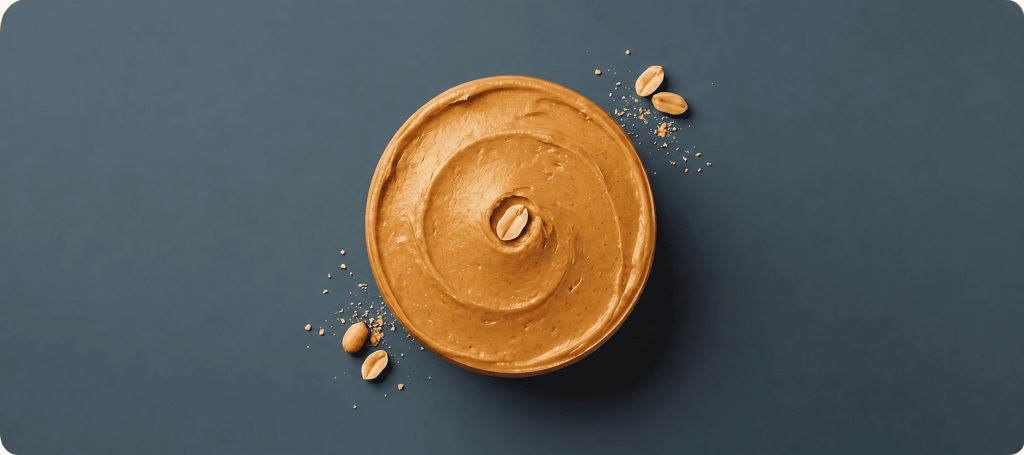
Can Cats Eat Peanut Butter? Risks & Safe Amounts
Technically, yes — but it’s not recommended. Plain, unsweetened, xylitol-free peanut butter is not inherently toxic to cats. However, it provides zero nutritional benefit.

Technically, yes — but it’s not recommended. Plain, unsweetened, xylitol-free peanut butter is not inherently toxic to cats. However, it provides zero nutritional benefit.
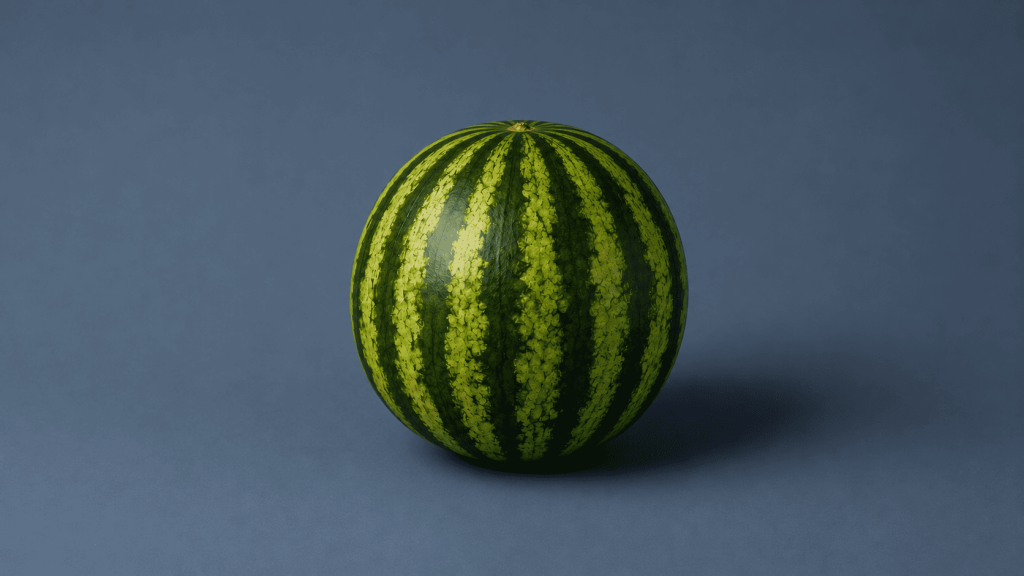
yes — cats can safely eat small amounts of seedless watermelon flesh. But that one-line answer hides a surprising amount of nuance that every responsible cat owner needs to understand.
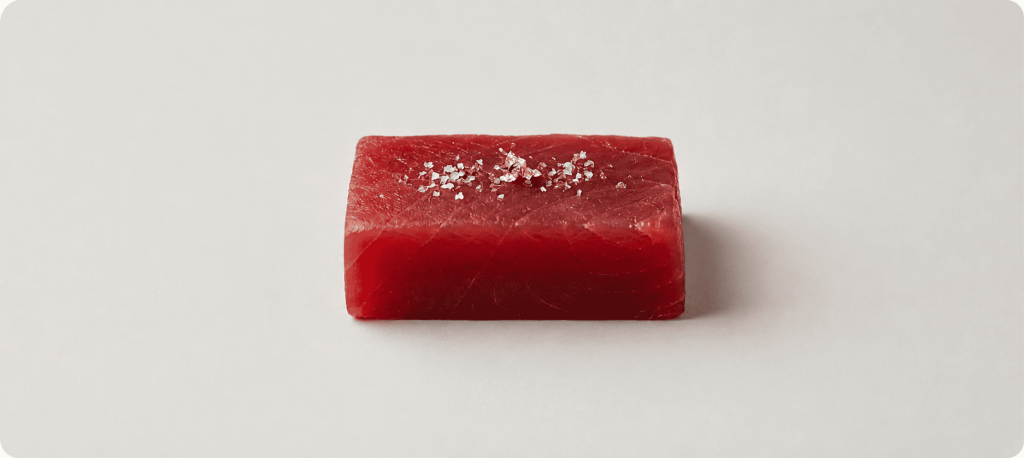
Yes, a pregnant cat can eat a small amount of plain, cooked or water-packed tuna as an occasional treat. But tuna should never be a main meal during pregnancy.

No. Cats should never eat chocolate — of any kind, in any amount. Chocolate contains two stimulants, theobromine and caffeine, that cats cannot break down safely.

The only place the truth lives is on the ingredient list and guaranteed analysis panel, usually printed in tiny font on the back.
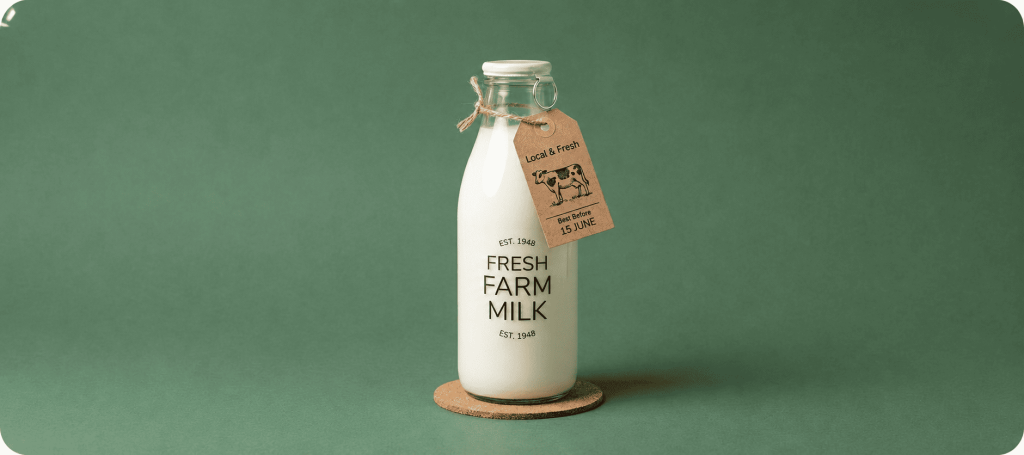
No, most adult cats should not drink cow’s milk. The vast majority of adult cats are lactose intolerant, meaning milk can cause stomach upset, gas, and diarrhea.

Yes, cats can eat strawberries in small amounts. Strawberries are not toxic to cats, but they are not a natural or necessary part of a feline diet.
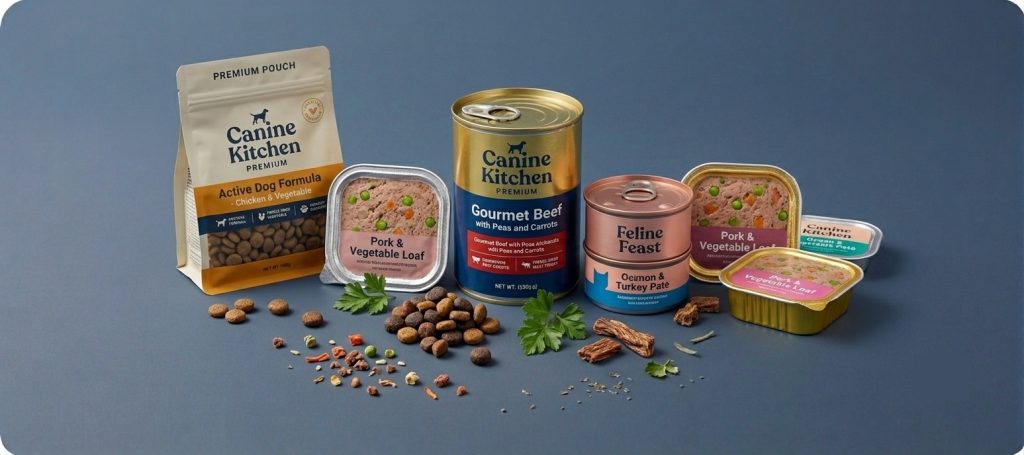
The short answer is that a small, occasional amount of dog food is unlikely to cause serious harm, but it should never become a habit, and it absolutely cannot replace a proper cat diet.
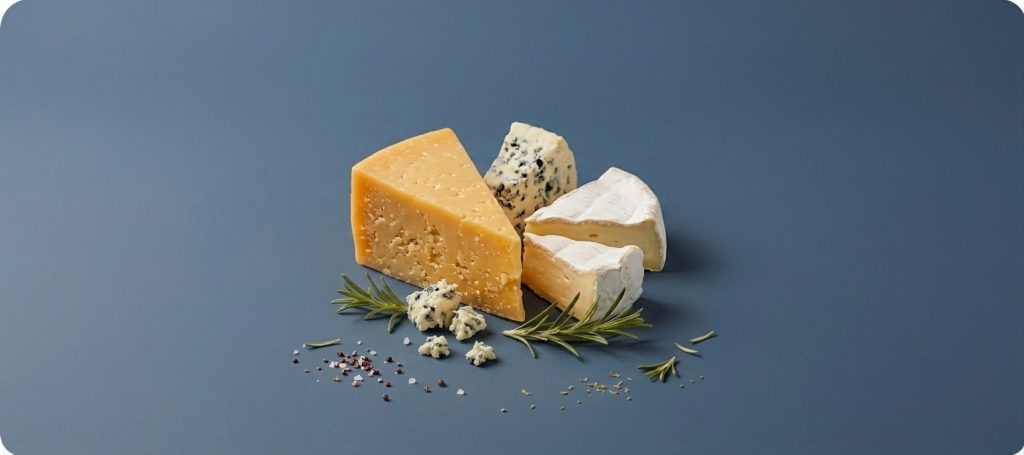
Can cats eat cheese? The short answer is: technically yes, in very small amounts — but it’s complicated, and it’s definitely not recommended as a regular treat.

Yes, cats can eat eggs—and they’re a great source of protein. Plain, fully cooked eggs are a safe, nutritious treat for most healthy cats. Raw eggs, on the other hand, carry real risks and are best avoided.