Quick answer: Yes, a pregnant cat can eat a small amount of plain, cooked or water-packed tuna as an occasional treat. But tuna should never be a main meal during pregnancy. It is high in mercury, low in several nutrients a developing litter needs, and can crowd out the balanced “growth” diet your queen actually requires. Offer no more than about one tablespoon of plain tuna once a week, and only alongside a complete kitten or gestation-and-lactation formula.
If your cat is expecting and giving you that irresistible “feed me tuna” stare, you are right to pause before opening the can. Pregnancy changes a cat’s nutritional needs dramatically, and a food that is merely “okay” for a healthy adult cat can become a bigger gamble when there are kittens developing inside her.
This guide breaks down exactly when tuna is acceptable, when it is risky, how much is safe, which types to avoid entirely, and what you should be feeding a pregnant cat instead. Where it matters, we explain the why behind each recommendation so you can make a confident decision.
The Short Answer: Can Pregnant Cats Eat Tuna?
Tuna is not toxic to cats, and a pregnant cat can safely enjoy a little plain tuna now and then. Major veterinary and animal-welfare sources agree that small amounts of tuna are fine for most healthy cats. The problem is never a single small taste; it is frequency and quantity.
Tuna becomes a problem for a pregnant queen when it is:
- Fed often or in large amounts (mercury build-up and nutrient imbalance)
- Served raw (risk of thiamine deficiency and bacteria)
- Packed in oil, brine, or flavored sauces (too much fat, salt, and additives)
- Used as a meal replacement instead of a treat (nutritionally incomplete for growth)
So the honest answer is: yes, but in moderation, in the right form, and never as her primary food.
Why Pregnant Cats Have Special Nutritional Needs
A female cat carrying kittens is called a queen, and her body is doing extraordinary work. Feline pregnancy lasts roughly 63 to 65 days, and during that window her kittens grow from microscopic embryos into fully formed newborns ready to nurse.
To support that, her requirements climb steadily as the pregnancy progresses:
- Calories: Energy needs rise gradually, with the biggest jump in the final three weeks. By late gestation, many queens need roughly 25–50% more calories than they did before pregnancy, and food intake can climb toward 1.5 to 2 times their normal amount.
- Protein: As obligate carnivores, cats already need high-quality animal protein. Pregnancy increases that demand substantially to build fetal tissue. Growth-type diets typically supply around 30–40% protein.
- Fat and essential fatty acids: Fat is a concentrated energy source and supports cell development. Growth formulas usually contain more fat than adult maintenance food.
- Vitamins and minerals: Calcium, phosphorus, and a range of vitamins must be present in the correct balance for healthy bones, organs, and a strong birth.
The takeaway is simple but important: a pregnant cat needs more nutrition, and more balanced nutrition, not just more food. This is the single biggest reason tuna is a poor fit as anything more than an occasional treat. It delivers calories and protein, but it does not deliver the complete, balanced package a growing litter depends on.
Is Tuna Safe for Pregnant Cats? The Nuanced Truth
Here is the part that trips up a lot of well-meaning owners. “Safe” is not a yes-or-no switch with tuna; it sits on a sliding scale.
A teaspoon or tablespoon of plain tuna stirred into your queen’s regular food once in a while? Generally fine, and it can even be useful for tempting a nauseous or picky pregnant cat to eat. A bowl of tuna as a daily meal? That is where real, documented health risks begin to appear, and pregnancy raises the stakes for both mother and kittens.
The rest of this article walks through those risks one by one, then tells you how to offer tuna safely if you choose to.
The Real Risks of Feeding Tuna to a Pregnant Cat
1. Mercury — and Why It Matters More During Pregnancy
Tuna is a large predatory fish, and predatory fish accumulate mercury in their flesh. In cats, frequent or exclusive tuna feeding has been linked to mercury poisoning, with veterinary nutritionists at institutions such as Tufts University’s Cummings School flagging tuna as a notable concern. Signs of mercury toxicity in cats include loss of coordination and balance, difficulty walking, tremors, and other neurological changes.
Pregnancy adds a specific worry. In mammals generally, the toxic form of mercury found in fish (methylmercury) readily crosses the placenta, and the developing fetal nervous system is especially sensitive to it. In humans, this is precisely why health authorities such as the FDA advise pregnant women to limit certain fish and avoid the highest-mercury species. While there is far less cat-specific research on tuna and feline pregnancy, the underlying biology is similar enough that a precautionary approach is the responsible one: minimize a pregnant queen’s mercury exposure rather than gamble with it.
One practical tip if you do offer tuna: choose chunk light tuna over albacore (“white”) tuna. Albacore comes from a larger species and can carry mercury levels several times higher than chunk light.
2. Nutritional Incompleteness
Plain, human-grade tuna is missing or short on several things a cat needs, and those gaps are amplified during pregnancy:
- Vitamin E: Tuna is a poor source of vitamin E, which cats need as an antioxidant. A diet heavy in fish but low in vitamin E sets the stage for a painful condition called steatitis (see below).
- Calcium and a proper calcium-to-phosphorus ratio: Many fish are high in phosphorus but low in calcium. An imbalance over time can weaken bones and teeth and, in a breeding cat, undermine the skeletal demands of pregnancy.
- Taurine and overall balance: Cats require taurine and a precise blend of vitamins and minerals. Tuna alone does not provide a complete, balanced profile, which is exactly why complete cat foods are formulated and supplemented rather than made of plain fish.
A healthy adult eating a balanced diet can absorb the occasional nutritional “blank spot” from a tuna treat. A pregnant cat building an entire litter has much less margin for error.
3. Thiamine (Vitamin B1) Deficiency from Raw Tuna
Raw tuna and other raw fish contain an enzyme called thiaminase, which destroys thiamine (vitamin B1). Cats cannot make or store much thiamine on their own, so a thiaminase-heavy diet can trigger thiamine deficiency. The nervous system is hit hardest: weakness, a hunched “chin-to-chest” neck posture, stumbling, dilated pupils, and in severe cases seizures.
For a pregnant queen, whose body is under extra metabolic strain, this is a risk not worth taking. The good news is that cooking destroys thiaminase, which is one reason raw tuna is off the table and any tuna you offer should be cooked or canned (cooked during processing).
4. Steatitis (Yellow Fat Disease)
Steatitis, also known as pansteatitis or yellow fat disease, is a painful inflammation of the body’s fat tissue. It is classically caused by a diet high in unsaturated fatty acids (oily fish like red tuna and sardines are common culprits) combined with too little vitamin E. Affected cats may become reluctant to move, lose their appetite, act depressed, and develop tender lumps under the skin. It is serious and can be life-threatening.
Because tuna is both rich in unsaturated fats and low in vitamin E, regularly feeding oily, human-grade tuna is one of the well-documented dietary triggers. A pregnant cat in pain and refusing food is a genuine emergency for her and her kittens.
5. Fish Allergies and Digestive Upset
Fish is one of the more common food allergens in cats; veterinary references list it among the top feline food allergens. Reactions can include itching, hair loss, red or inflamed skin, and gastrointestinal signs like vomiting, diarrhea, gas, and loss of appetite. Even without a true allergy, a sudden serving of rich tuna can cause an upset stomach, and digestive distress is something you especially want to avoid in a pregnant cat who needs to keep eating steadily.
6. Tuna “Addiction” and Picky Eating
Cats can become so fond of tuna’s strong smell and taste that they start refusing their regular, balanced food, a phenomenon owners sometimes describe as tuna “addiction.” During pregnancy this is more than an inconvenience. A queen who turns up her nose at her complete diet in favor of tuna is, by definition, eating an unbalanced diet at exactly the moment she can least afford to. Keeping tuna as a rare treat helps prevent this finicky habit from taking hold.
7. Salt, Oil, and Additives
The form of tuna matters a great deal:
- Tuna in brine or salted tuna adds excess sodium.
- Tuna in oil adds extra fat and calories that can contribute to digestive upset and unwanted weight gain.
- Flavored or seasoned tuna may contain onion, garlic, or other ingredients that are harmful to cats.
If you offer tuna at all, the only sensible choice is plain tuna packed in water, with no added salt or seasoning.
What Kind of Tuna Is Safest for a Pregnant Cat?
If, after weighing the risks, you still want to give your queen an occasional taste, choose carefully. Here is how the common options compare.
| Type of tuna | Verdict for a pregnant cat | Why |
|---|---|---|
| Plain chunk light tuna in water, no salt | Best option, in tiny amounts | Lower mercury than albacore, no added oil or salt |
| Albacore / white tuna | Avoid | Larger species, mercury can be several times higher |
| Tuna in oil | Avoid | Excess fat and calories, stomach upset |
| Tuna in brine / salted / flavored | Avoid | Too much sodium; seasonings may be toxic |
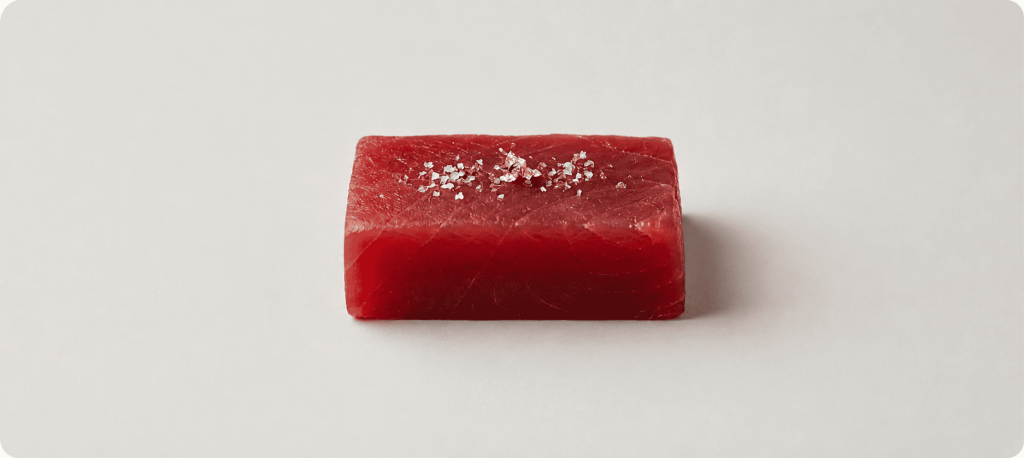
| Raw tuna or tuna steak (uncooked) | Avoid | Thiaminase and bacterial risk |
| Cooked, unseasoned tuna steak | Occasional, tiny portions only | Safe if plain and fully cooked, but still treat-only |
| Tuna-flavored complete cat food | Acceptable as directed | Formulated and supplemented to be balanced |
A useful distinction: tuna made for cats is not the same as tuna made for people. Complete cat foods that taste of tuna are typically blended with other ingredients and supplemented with the vitamins and minerals cats need, so they are balanced in a way that a plain can of human tuna never will be.
How Much Tuna Can a Pregnant Cat Eat?
The standard veterinary rule of thumb for treats applies here: treats should make up no more than about 10% of a cat’s daily calories. For most cats, a practical translation is:
- No more than roughly one tablespoon of plain, water-packed tuna
- No more than about once a week
- Ideally mixed into her regular complete food, not served as a standalone bowl
- Start with a tiny amount the first time to check for any digestive or allergic reaction
For perspective, one drained can of tuna contains well over 100 calories, which can be a large fraction of a small cat’s daily intake. That is why “just the can” is far too much, and why portion control matters.
When in doubt, less is better, and your own veterinarian can give you an amount tailored to your queen’s weight, stage of pregnancy, and overall health.
Can Pregnant Cats Drink Tuna Juice or Tuna Water?
The water from a can of tuna is sometimes used as a trick to encourage a reluctant or nauseous cat to eat or drink more, which can be genuinely helpful in early pregnancy when appetite dips. A small splash of plain tuna water (from tuna packed in water, not brine or oil) over her food is generally low-risk.
The same cautions apply, though: keep it occasional and small, avoid salted or oily tuna water entirely, and never let “tuna water on everything” become the only way she will eat. If a pregnant cat consistently refuses food without a tuna lure, that is a reason to call your vet, not to keep escalating the tuna.
What About Nursing (Lactating) Cats and Tuna?
A nursing queen’s nutritional demands are even higher than during pregnancy, because milk production is metabolically expensive. The guidance does not change: tuna can be an occasional small treat, but it cannot meet the intense calorie, protein, calcium, and vitamin needs of a cat feeding a litter. A complete kitten or growth-and-lactation diet remains essential throughout nursing, and plenty of fresh water is critical since milk is mostly water.
What Should You Feed a Pregnant Cat Instead?
This is the most important section, because choosing the right base diet makes the tuna question almost trivial.
Switch to a complete “growth” or “kitten” formula. High-quality kitten foods are formulated to be calorie- and nutrient-dense, which matches a pregnant queen’s needs almost perfectly. Look for a product whose label states it is complete and balanced for “growth” or “gestation/lactation” (in the US, this corresponds to AAFCO growth/reproduction standards). Many breeders and vets keep queens on kitten food from breeding all the way through weaning.
A few practical feeding tips:
- Feed small, frequent meals. As the kittens grow, there is less room in the abdomen, so several smaller meals are easier than one or two large ones. Free-feeding a measured amount also works for many queens.
- Increase food gradually. Ramp up portions as pregnancy advances rather than all at once, to avoid digestive upset.
- Offer both wet and dry if she likes them. Wet food boosts hydration; dry food is calorie-dense and convenient.
- Keep fresh water available at all times.
- Do not add vitamin or mineral supplements unless your vet specifically prescribes them. A complete diet already contains the right balance, and over-supplementing (especially calcium) can cause its own problems.
- Monitor her body condition, appetite, and weight. Steady, gradual gain is expected; sudden loss of appetite or weight loss warrants a vet visit.
Against this backdrop, an occasional tablespoon of plain tuna is simply a bit of variety or a coaxing tool, not a nutritional foundation, which is exactly what it should be.
Warning Signs to Watch For (When to Call Your Vet)
Stop offering tuna and contact your veterinarian promptly if you notice:
- Neurological signs: wobbliness, stumbling, head tilt, dilated pupils, a hunched neck posture, tremors, or seizures (possible mercury toxicity or thiamine deficiency)
- Pain or reluctance to move, tender lumps under the skin, depression, and appetite loss (possible steatitis)
- Allergy signs: itching, hair loss, red or swollen skin, or red bumps
- Digestive upset: repeated vomiting, diarrhea, or refusal to eat
- Any concern in a pregnant cat who has eaten a large amount of tuna at once. A single overindulgence usually causes only mild stomach upset, but if she seems “off,” it is always safest to have her checked.
When kittens are on the way, err on the side of caution. A quick call to your vet is cheaper and far less stressful than a complication.
Frequently Asked Questions
Can pregnant cats eat canned tuna? Yes, in small amounts and only the right kind: plain chunk-light tuna packed in water with no salt or seasoning. Treat it as an occasional snack (around a tablespoon, up to once a week), never as a meal.
Can pregnant cats eat raw tuna? No. Raw tuna contains thiaminase, an enzyme that destroys vitamin B1 and can cause neurological problems, and it carries a risk of harmful bacteria. Any tuna you offer should be cooked or canned.
Can pregnant cats eat tuna in oil or brine? Avoid both. Oil adds excess fat and calories, and brine is high in salt. Plain tuna in water is the only sensible choice.
Will tuna hurt my pregnant cat’s kittens? A rare, tiny treat is very unlikely to cause harm. The real concern is frequent or heavy tuna feeding, because the mercury it contains can cross the placenta and the fetal nervous system is especially sensitive. Keeping tuna to an occasional small amount keeps that exposure low.
Can I give my pregnant cat tuna every day? No. Daily tuna risks mercury build-up, nutritional imbalance, and conditions like steatitis, and it can make her refuse her balanced food. Tuna should be occasional at most.
Is fish bad for pregnant cats in general? Fish is not inherently “bad,” and many complete cat foods include fish that has been balanced and supplemented. The problem is feeding plain, human-grade fish (especially oily tuna) as a staple. As a formulated ingredient in a complete diet, fish is fine.
Can pregnant cats eat tuna just for the extra protein? It is not a good protein strategy. Pregnant cats do need more protein, but they need it as part of a complete, balanced growth diet. Use kitten/growth food to meet protein needs, and keep tuna as a treat only.
My pregnant cat ate a lot of tuna at once. What should I do? A one-time binge most often causes only a mild stomach upset. Monitor her closely, make sure she has fresh water, and watch for vomiting, diarrhea, wobbliness, or unusual behavior. If she shows any concerning signs, or you are simply unsure, call your veterinarian.
The Bottom Line
So, can pregnant cats eat tuna? Yes, a little, occasionally, and only the plain, water-packed kind, mixed into a properly balanced diet. Tuna is not poison, and a small taste can even help tempt a queasy queen to eat. But it is high in mercury, low in nutrients her kittens need, dangerous when raw, and all too easy to overfeed.
The smartest move during pregnancy is to build her meals around a complete kitten or gestation-and-lactation formula, keep fresh water available, feed small frequent meals, and let tuna be nothing more than a rare treat. When you do that, you give both mother and kittens the steady, balanced nutrition they need for a healthy pregnancy and a strong start.
As always, your own veterinarian knows your cat best. Before making any significant change to a pregnant cat’s diet, or if you have any concerns about her health, check in with them.
This article is for general informational purposes only and is not a substitute for professional veterinary advice. Always consult your veterinarian about your individual cat’s diet and health, especially during pregnancy.