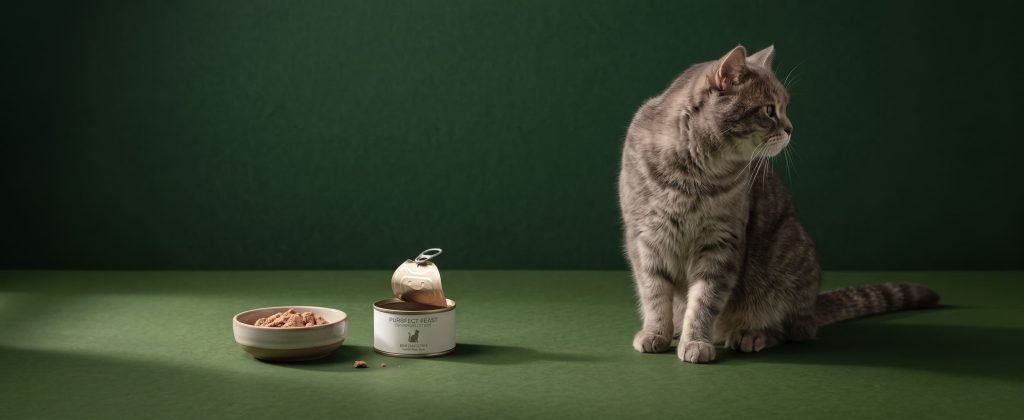
If your cat is not eating, don’t treat it like a skipped meal. Cats are uniquely vulnerable to going without food. A few days of refusing meals can tip a cat into a serious liver condition, even if the original problem was minor.
The good news is that most appetite problems have a clear cause, and many are very treatable when caught early. This guide covers the 10 most common reasons cats stop eating, how to tell a picky cat from a sick one, what you can safely try at home, and exactly when to call the vet.
Quick answer: Why is my cat not eating?
The most common reasons are dental pain, nausea or stomach upset, kidney disease, stress or a change in routine, a recent food change, an upper respiratory infection (a blocked nose means a cat can’t smell its food), pain, pancreatitis, poisoning, and serious illness such as cancer or a urinary blockage.
Offer warmed, strong-smelling wet food in a quiet spot. Call your vet if an adult cat eats nothing for 24 hours, a kitten skips meals for 12 hours, or your cat refuses food along with vomiting, hiding, lethargy, straining in the litter box, or labored breathing. Cats that go about 3 days without eating are at risk of hepatic lipidosis (fatty liver disease), which can be fatal without treatment.
Vet terms you may hear: Hyporexia means eating less than normal. Anorexia means eating nothing at all. Dysrexia means eating only certain foods or eating erratically. All three deserve attention in cats.
Not sure whether your cat is eating enough in the first place? Our free Cat Food Calculator shows your cat’s daily calorie needs, so you can tell a true appetite drop from simple overfeeding.
How Long Can a Cat Go Without Eating?
You may read online that a cat can survive a week or more without food. Survival is the wrong yardstick. Serious liver damage can start within days, long before a cat is in danger of starving.
Why cats can’t “wait it out”: fatty liver disease
When a cat stops eating, its body breaks down stored fat for energy. A cat’s liver is poor at processing a sudden flood of fat, so the fat gets stored inside the liver cells instead. This condition is called hepatic lipidosis, or fatty liver syndrome.
According to VCA Animal Hospitals, affected cats have usually eaten little or nothing for three to four days in a row. Overweight cats are at higher risk. In more than 90% of cases, an underlying illness caused the appetite loss in the first place.
Once a cat develops fatty liver, it rarely starts eating again on its own. Treatment usually means a feeding tube, and VCA notes that the average cat needs six to seven weeks of tube feeding before it eats normally again. Prevention is far easier than cure, which is why vets take a cat’s appetite so seriously.
Timeline: what to do, hour by hour
| Time without food | What may be happening | What to do |
|---|---|---|
| One skipped meal | Often harmless if your cat is otherwise acting normal (hot weather, a big treat, a minor upset) | Watch closely. Offer a favorite wet food. Check water intake and the litter box. |
| 12 hours | Young kittens can develop low blood sugar quickly | Kittens: call your vet now. Adults: try the home steps below and keep monitoring. |
| 24 hours | The cause is probably real, not just pickiness | Adults: call your vet for an appointment today or tomorrow. |
| 48 hours | Fat is being mobilized; dehydration risk is rising | See a vet promptly. Do not wait any longer. |
| 3 to 4 days | The typical window for hepatic lipidosis | Urgent care. Go today. |
| Any time + yellow eyes, gums, or ear skin | Jaundice, a sign the liver is already affected | Emergency vet now. |
Two important notes:
- Eating a little is not the same as eating enough. A cat nibbling a few bites a day is still in a calorie deficit. Use the Cat Food Calculator to see how much your cat should be eating, then compare it to what is actually disappearing from the bowl.
- Never starve a cat on purpose. Withholding food to force a diet switch or speed up weight loss can trigger fatty liver, especially in heavier cats. Safe weight loss is slow and vet-guided. Our portion guide by weight explains how to cut calories gradually.
Emergency Red Flags: When to Go to the Vet Now
Skip the home remedies and call your vet or nearest emergency clinic immediately if your cat is not eating and you notice any of the following:
- Straining in the litter box with little or no urine, crying while trying to pee, or repeatedly licking the genitals. This can mean a urinary blockage, which is most common in male cats and can become fatal quickly. Learn more in our guide to cat food for urinary health.
- Breathing problems, such as open-mouth breathing, panting, or fast, labored breaths at rest.
- Repeated vomiting, vomiting blood, or retching with nothing coming up.
- Yellow eyes, gums, or inner ears. Jaundice can signal fatty liver disease or another liver problem.
- Possible poisoning, especially lilies. The U.S. Food and Drug Administration (FDA) warns that every part of true lilies and daylilies is toxic to cats, including pollen and vase water. Early signs include drooling, vomiting, low energy, and loss of appetite. If treatment is delayed 18 hours or more, kidney failure is generally irreversible.
- Collapse, severe weakness, or unresponsiveness, or a cat that is hiding and won’t come out even for favorite foods.
- Sudden pain or paralysis in the back legs, often with crying and cold paws.
- Seizures, tremors, stumbling, or sudden blindness. If your cat eats raw food or raw milk, mention it right away. The FDA lists low appetite and neurologic signs among the warning signs of H5N1 bird flu in cats.
- A swallowed string, thread, ribbon, or hair tie. Never pull on a string you see in the mouth or under the tongue.
- A kitten that hasn’t eaten for 12 hours, or any kitten that seems weak or cold.
If you suspect poisoning, you can also call a pet poison hotline while you head to the clinic. In the U.S., the ASPCA Animal Poison Control Center is (888) 426-4435 and Pet Poison Helpline is (855) 764-7661 (consultation fees may apply). Keep our list of foods that are toxic to cats bookmarked so you can check a suspect snack in seconds.
10 Reasons Your Cat Is Not Eating (and What to Do About Each)
Appetite loss is a symptom, not a diagnosis. Below are the 10 most common causes, the clues that point to each one, and the right next step. Many cats have more than one thing going on, so read through the whole list.
1. Dental disease or mouth pain
A sore mouth is one of the most common and most overlooked reasons a cat stops eating. Cats hide pain well, so the problem is often advanced before anyone notices. Common culprits include tooth resorption (painful lesions that eat away at the tooth), gum disease, a broken tooth, mouth ulcers, and stomatitis, a severe inflammation of the gums and mouth lining.
Signs to watch for:
- Walking up to the bowl hungry, then backing away
- Chewing on one side, dropping food, or swallowing kibble whole
- Drooling, sometimes with a pink or bloody tinge
- Pawing at the face or shaking the head while eating
- Bad breath, red gums, or tartar buildup
- Suddenly preferring soft food over crunchy food
What to do: Book a vet visit for a mouth exam. Many dental problems sit below the gumline, so dental X-rays under anesthesia are often needed. Until then, offer soft food in a smooth pâté texture and stir in a little warm water to make it easier to lap up. Our ranking of the best wet cat food brands lists soft, high-protein options.
2. Nausea, vomiting, or digestive upset
A nauseous cat wants to eat but can’t bring itself to. Nausea is behind a huge share of appetite problems, and it has many sources: eating something unusual, hairballs, constipation, intestinal parasites, food sensitivities, inflammatory bowel disease, or a swallowed object blocking the intestine.
Signs to watch for:
- Lip licking, drooling, or repeated swallowing
- Sitting hunched over the food or water bowl without eating
- Vomiting, retching, or diarrhea
- Small, hard stools or no stool for more than 48 hours
- A tense or painful belly
What to do: If your cat vomited once and is otherwise bright and alert, offer a small meal of its usual food or a few bites of plain cooked chicken (here’s how to prepare it safely). Do not give milk; most adult cats are lactose intolerant, and milk can make stomach upset worse. Never give human stomach remedies. Some, like bismuth subsalicylate, contain salicylates that are dangerous to cats. Repeated vomiting, constipation, or no improvement within 24 hours means it’s time for the vet, who can prescribe a cat-safe anti-nausea medication. For mild constipation, ask your vet whether a spoonful of plain pumpkin is appropriate.
3. Kidney disease
Chronic kidney disease (CKD) is one of the most common illnesses in older cats. As kidney function drops, waste products build up in the blood. That causes nausea, stomach irritation, and sometimes mouth ulcers, so the cat gradually becomes pickier and eats less.
Signs to watch for:
- Drinking more water and producing bigger urine clumps
- Gradual weight loss and muscle loss along the spine
- A dull, unkempt coat
- Bad breath with an ammonia-like smell
- Vomiting or constipation
What to do: Ask your vet for blood and urine tests (creatinine, SDMA, and urine concentration) plus a blood pressure check. Treatment focuses on hydration, nausea control, appetite support, and a kidney-friendly diet. One vet-recommended tip: don’t introduce a new kidney diet while your cat feels nauseous. Cats can link the new food to feeling sick and refuse it for good. Get the nausea under control first. Our guide to cat food for kidney disease explains what to look for when you are ready to switch.
4. Stress, anxiety, or a change in routine
Cats are creatures of habit, and stress shuts down appetite fast. Common triggers include moving house, a new pet or baby, houseguests, loud noise like fireworks or construction, a boarding stay, a change in your work schedule, and the loss of a companion animal. In multi-cat homes, a bully cat guarding the food bowl is a frequent hidden cause.
Signs to watch for:
- Hiding more than usual
- Eating only at night or when the house is empty
- Over-grooming or bald patches
- Peeing or pooping outside the litter box
- Hissing, swatting, or dilated pupils
What to do: Set up a quiet feeding station away from the litter box, loud appliances, and busy walkways. In a multi-cat home, give each cat its own bowl in a separate spot where it can’t see the others. Keep meal times and routines as consistent as possible, and offer hiding spots and high perches. Gentle play before meals can help an anxious cat relax. Important: stress-related appetite loss can still lead to fatty liver disease, so call your vet if your cat hasn’t eaten in 24 hours, even if you’re sure it’s “just stress.”
5. Something is wrong with the food
Sometimes the problem is the food itself, not the cat. Signs that point to a food issue: your cat sniffs the bowl and walks away but eagerly takes treats or a different food, and its energy, litter box habits, and behavior are otherwise normal.
Common food-related causes include:
- A switch that was too fast. Mix the new food into the old over about 7 to 10 days, increasing the new food a little each day.
- Food aversion. Cats can refuse a food they ate while feeling sick, or a food you hid medication in.
- Stale or spoiled food. Wet food left out too long loses its appeal and can grow bacteria. Dry food stored open can lose its aroma or turn rancid. Keep kibble in its original bag, sealed, and discard uneaten wet food within a few hours.
- A recipe change or recall. Manufacturers sometimes reformulate, and cats notice. Check the FDA’s pet food recalls and withdrawals list if your cat suddenly refuses a food it used to love. If you think a food made your cat sick, save the packaging and report it to the FDA.
- Cold food. Food straight from the fridge has little aroma. Cats eat with their noses first.
- The bowl. Some cats dislike deep, narrow bowls or plastic bowls that hold old odors. Try a wide, shallow ceramic or stainless steel dish.
- Too many treats or table scraps. A cat filling up on extras may hold out for something better. Keep treats to about 10% of daily calories; the portion guide shows how.
What to do: Offer fresh, room-temperature food in a clean, shallow dish. If you’ve just switched foods, go back to the old one and transition more slowly. When choosing a new food, check the label with our guide to cat food ingredients to avoid. If your cat refuses every food, including favorites, the problem is not the food. Move down this list and call your vet.
6. An upper respiratory infection (a stuffy nose)
Cats decide whether food is worth eating mainly by smell. When a cold blocks the nose, even a favorite meal can seem like cardboard. Most feline “colds” are caused by feline herpesvirus or calicivirus. Herpesvirus can flare up again after stress, and calicivirus can also cause painful mouth ulcers.
Signs to watch for:
- Sneezing and nasal discharge
- Watery, red, or squinting eyes
- Noisy breathing through a congested nose
- Fever, low energy, or ulcers on the tongue
What to do: Warm wet food to about body temperature to boost its aroma. Strong-smelling foods can tempt a congested cat. A teaspoon of water-packed tuna as a topper is fine short-term, but tuna should stay an occasional treat, not a diet. Gently wipe your cat’s nose with a damp cloth. Sitting with your cat in a steamy bathroom for 10 to 15 minutes can loosen congestion. See the vet if your cat hasn’t eaten in 24 hours, the discharge turns yellow or green, breathing looks difficult, or the patient is a kitten.
7. Pain somewhere else in the body
Pain anywhere can dull the appetite. Arthritis is extremely common in older cats and often missed. Other sources include injuries, a bite wound abscess, back pain, and recovery from surgery. If the food bowl sits on a counter or requires bending low, simply reaching it may hurt.
Signs to watch for:
- Hesitating before jumping, or no longer using high perches
- Stiff walking, especially after rest
- Missing the litter box or struggling to climb into it
- A messy or matted coat over the lower back and hips
- Hiding, irritability, or resenting being touched
- Hunched posture or squinted eyes
What to do: See your vet for a pain assessment. Cat-safe pain relief can bring an appetite back fast. Never give your cat human painkillers. Acetaminophen (Tylenol) can be fatal to cats in small amounts, and ibuprofen or naproxen can cause stomach ulcers and kidney failure. In the meantime, move food and water to floor level in an easy-to-reach spot, or raise the bowl slightly so a stiff cat doesn’t have to crouch.
8. Pancreatitis, liver disease, diabetes, or other internal illness
Several internal diseases show up first, or only, as a drop in appetite. Pancreatitis in cats is notoriously subtle. Unlike dogs, many cats don’t vomit; they simply stop eating and become quiet. It often occurs alongside inflammatory bowel disease and liver inflammation. Diabetes usually starts with increased thirst and urination, but a serious complication called diabetic ketoacidosis causes vomiting and appetite loss and is an emergency. Liver disease can cause jaundice.
Signs to watch for:
- Lethargy and hiding
- Hunched posture or sensitivity when the belly is touched
- Vomiting or diarrhea
- Increased thirst and urination
- Weight loss
- Yellow eyes, gums, or skin
What to do: These conditions need a vet. Expect blood work, a pancreas-specific blood test, urine tests, and often an abdominal ultrasound. Treatment usually includes fluids, pain relief, anti-nausea medication, and early nutrition, sometimes through a feeding tube. The sooner a cat with pancreatitis gets calories, the better it tends to recover.
9. Poisoning or eating something toxic
Cats are sensitive to many substances that seem harmless to people. Toxins can cause sudden appetite loss, often along with drooling and vomiting. Common household dangers include:
- Lilies, including pollen and vase water (see the FDA warning above)
- Onion and garlic in any form, including powders hidden in soups, gravies, and meat baby food. See our guides on onion and garlic.
- Chocolate, caffeine, and alcohol
- Human medications, especially acetaminophen, ibuprofen, antidepressants, and ADHD drugs
- Dog flea and tick products. Many contain permethrin, which can cause severe tremors and seizures in cats. The U.S. Environmental Protection Agency (EPA) advises never applying dog products to cats.
- Antifreeze, essential oils, rodent poisons, and household cleaners
Signs to watch for: drooling, vomiting, diarrhea, tremors, seizures, wobbliness, pale gums, breathing difficulty, or a sudden refusal to eat after access to something new.
What to do: Treat suspected poisoning as an emergency. Bring the packaging, or a photo of the plant, to the vet. Don’t try to make your cat vomit at home; home remedies like hydrogen peroxide can injure a cat’s stomach. Check any food you’re unsure about against our complete list of foods that are toxic to cats.
10. Serious illness: cancer, heart disease, infection, or urinary problems
Sometimes appetite loss is the first visible sign of a major illness. Cancer, particularly lymphoma of the gut, often shows up as a slow drop in appetite and weight. Heart disease can cause fast breathing and a sudden loss of interest in food. Infections such as feline infectious peritonitis (FIP) or feline leukemia virus (FeLV) cause fever, and fever suppresses appetite. Urinary problems range from painful bladder inflammation to a life-threatening blockage.
Signs to watch for:
- Weight loss over weeks, even if your cat still eats a little
- New lumps, a swollen belly, or a lingering fever
- Fast or labored breathing while resting
- Frequent trips to the litter box with little output, or blood in the urine
- Repeated bouts of illness
What to do: See your vet for a full workup. An early diagnosis opens up more treatment options, and modern appetite support can greatly improve a sick cat’s comfort and quality of life, even with a serious condition.
Picky Eater or Sick Cat? A Quick Checklist
Use this table to judge which way the clues point. One “sick” clue is enough to call your vet.
| Clue | Points to a picky eater or food problem | Points to illness |
|---|---|---|
| Treats and favorite foods | Eats them eagerly | Refuses them too |
| A different food | Eats it | Refuses everything |
| Energy and behavior | Normal, playful, curious | Quiet, hiding, sleeping more |
| Vomiting, drooling, lip licking | None | Present |
| Water intake | Normal | Much more or much less than usual |
| Litter box | Normal urine and stool | Straining, diarrhea, constipation, or bigger clumps |
| Grooming | Normal | Unkempt or greasy coat |
| Weight | Stable | Dropping, or bones easier to feel |
| How long | Less than a day | 24 hours or more |
How to Get Your Cat to Eat Again: 9 Safe Tricks to Try at Home
These tips are for a cat that is otherwise bright and has no red-flag symptoms. They support, but never replace, a vet visit if the appetite loss lasts 24 hours.
- Warm the food. Heat wet food to roughly body temperature, about 38°C (100°F). Warmth releases aroma. If you use a microwave, move the food to a microwave-safe dish, stir well, and check for hot spots.
- Pick a strong-smelling wet food. Fish-based or meaty pâtés have more aroma than dry kibble. Our best wet cat food brands guide can help you choose.
- Serve small, fresh portions often. Offer a tablespoon or two at a time, several times a day. Remove uneaten wet food after about 20 to 30 minutes so it doesn’t go stale, then try again later with a fresh portion.
- Use a wide, shallow dish. A flat saucer or plate works well, especially for cats with sensitive whiskers or a sore mouth.
- Feed in a quiet, safe spot. Choose a calm room, away from the litter box and other pets. Let your cat eat alone if it prefers.
- Add a tempting topper. Try a teaspoon of water from water-packed tuna, a few shreds of plain cooked chicken, or a bit of plain scrambled egg. If you use broth, check the label first; many contain onion or garlic, which are toxic to cats.
- Hand-feed and give attention. Many cats will eat a few bites off your finger or a spoon. Gentle petting and calm talk during meals can help, especially for anxious cats.
- Try a new texture. Some cats that refuse chunks will eat pâté, and vice versa. Shreds, mousse, and lickable purées are worth a try.
- Keep everything calm and pressure-free. Don’t hover, chase, or force. A relaxed cat is far more likely to eat.
What NOT to do
- Don’t force-feed or syringe-feed without vet guidance. Food can be inhaled into the lungs, and forcing creates a lasting food aversion.
- Don’t starve your cat into accepting a new food. This can trigger fatty liver disease.
- Don’t give cow’s milk or dairy treats; they often cause diarrhea.
- Don’t give human medications, including pain relievers and stomach remedies.
- Don’t hide pills in your cat’s main meal. If the food tastes off, your cat may refuse it for days. Use a small separate treat instead.
- Don’t wait more than 24 hours to call your vet, or 12 hours for a kitten.
Keep a simple appetite log
Write down what you offer, roughly how much your cat eats, any vomiting or diarrhea, water intake, and litter box changes. If you can, weigh your cat each day: weigh yourself, then weigh yourself holding your cat, and subtract. A 2 to 3 day log gives your vet valuable clues and often speeds up the diagnosis.
What Happens at the Vet: Exams, Tests, and Treatments
Knowing what to expect makes the visit less stressful and helps you get answers faster.
What to tell your vet
Bring your appetite log, and be ready to answer these questions:
- When did your cat last eat a normal meal, and how much has it eaten since?
- Is it drinking more or less than usual?
- Any vomiting, diarrhea, constipation, sneezing, or drooling?
- Any changes in urination, such as straining, bigger clumps, or accidents?
- Any recent changes: new food, new pet, move, travel, boarding, visitors?
- Could your cat have eaten something unusual, such as a plant, string, medication, or human food?
- Does your cat eat raw food or drink raw milk?
- What food, treats, supplements, and medications does your cat take? Bring photos of the labels.
The exam and common tests
Your vet will check weight, body condition, temperature, hydration, heart and lungs, the belly, and especially the mouth. Depending on what they find, they may recommend:
- Blood work (complete blood count and chemistry panel) to check the kidneys, liver, blood sugar, and signs of infection
- Thyroid test (T4), especially for cats over 8 to 10 years old
- Urinalysis to assess the kidneys, urinary tract, and diabetes
- Pancreas-specific blood test if pancreatitis is suspected
- FeLV and FIV tests for cats with unknown status
- X-rays or ultrasound to look for blockages, masses, or organ changes
- Dental X-rays under anesthesia if mouth pain is suspected
Treatments your vet may use
The priority is always to find and treat the underlying cause. While that happens, your vet will also work to get calories into your cat:
- Anti-nausea medication. Many cats start eating once nausea is controlled.
- Fluids under the skin or through an IV to correct dehydration.
- Cat-safe pain relief for dental, joint, or abdominal pain.
- Appetite stimulants. Two medications are FDA-approved for managing weight loss in cats: a mirtazapine ointment applied to the ear, and capromorelin, an oral liquid. The FDA approved capromorelin (Elura) as the first drug specifically for weight loss in cats with chronic kidney disease. Appetite stimulants help, but they don’t replace a diagnosis.
- High-calorie recovery diets that pack a lot of nutrition into small amounts.
- A feeding tube. This sounds alarming, but tubes are well tolerated, and most cats go home with one. A small tube placed in the side of the neck lets you give food, water, and medication easily and stress-free. It is the main treatment for fatty liver disease and can be life-saving.
The 2022 ISFM Consensus Guidelines on Management of the Inappetent Hospitalised Cat, indexed by the U.S. National Library of Medicine, stress that malnutrition delays recovery, slows healing, and weakens immunity. The guidelines recommend controlling pain, nausea, and stress quickly, and say a feeding tube should not be delayed when a cat isn’t eating enough on its own.
Special Situations
Some cats need a different timeline or approach. Find your situation below.
Kitten not eating
Kittens have tiny energy reserves and can develop dangerously low blood sugar fast. Call your vet if a kitten skips meals for 12 hours, and sooner for kittens under 8 weeks or any kitten that seems weak, cold, or floppy. Common causes include intestinal worms, upper respiratory infections, stress after a new adoption, and eating the wrong food. Make sure you’re feeding a food labeled for growth or “all life stages.” If you’re unsure how much a kitten needs, the Cat Food Calculator adjusts portions for age.
Senior cat not eating
Older cats are more likely to have kidney disease, dental disease, arthritis, hyperthyroidism, and cancer, all of which affect appetite. A senior cat’s sense of smell also fades, so aroma matters more. Warm, strong-smelling wet food often helps. Any appetite drop in a cat over 10 deserves a vet check within a day or two, and gradual weight loss deserves one even if your cat still eats. Not sure if your cat counts as a senior? Use our cat age calculator to convert cat years to human years.
Cat not eating after surgery or anesthesia
It is normal for a cat to eat less for about 12 to 24 hours after anesthesia. Nausea, pain, a sore mouth after dental work, and the stress of the visit all play a part. Offer small portions of soft, warm food once your vet says it’s okay. If your cat hasn’t eaten within 24 hours of coming home, or is vomiting or very lethargic, call the clinic. Pain or nausea medication often solves the problem quickly.
Cat not eating after vaccines
Mild side effects such as a smaller appetite, sleepiness, a low fever, and a sore injection site are common for 24 to 48 hours after vaccination. Offer favorite foods and let your cat rest. Call your vet if appetite loss lasts more than 48 hours. Go to the vet immediately if you see facial swelling, hives, repeated vomiting, diarrhea, or breathing trouble, which can signal an allergic reaction.
Pregnant or nursing cat not eating
A pregnant cat normally eats more as pregnancy progresses. Many cats eat little or nothing in the 24 to 48 hours before giving birth, which can be a sign that labor is near. Use our cat pregnancy calculator to estimate her due date. Outside that window, appetite loss in a pregnant or nursing cat needs a prompt vet visit. For safe treats during pregnancy, see can pregnant cats eat tuna.
Newly adopted cat not eating
Many cats barely eat for the first day or two in a new home. Set them up in one quiet room with food, water, a litter box, and a hiding spot. Feed the same food the shelter or breeder used, then transition slowly. Call your vet if your new cat hasn’t eaten anything after 24 hours, or 12 hours for a kitten.
Multi-cat homes
In homes with more than one cat, it can be hard to tell who is eating. A bowl that empties doesn’t prove every cat ate. Feed cats separately for a few days to check each cat’s intake. Watch for a cat that blocks doorways or hovers near bowls, and give each cat its own feeding spot out of sight of the others.
How to Prevent Appetite Problems
You can’t prevent every illness, but these habits catch problems early and make your cat more resilient when appetite dips.
- Know your cat’s normal. Note how much your cat usually eats and weigh it monthly. A 5% weight change is worth mentioning to your vet.
- Keep up with routine vet care. The Centers for Disease Control and Prevention (CDC) recommends regular vet visits, routine vaccines, and parasite prevention for pet cats. Many vets suggest checkups twice a year for seniors.
- Prioritize dental health. Ask about your cat’s teeth at every visit, and consider dental cleanings when recommended.
- Keep your cat at a healthy weight. Overweight cats face a much higher risk of fatty liver disease if they ever stop eating. Use the Cat Food Calculator to set portions, and see our guide for indoor cats if your cat is less active.
- Feed a complete, balanced diet. Look for an AAFCO statement on the label. If you’re considering trends like grain-free or raw feeding, read up on the risks first, including bird flu in raw poultry products.
- Get your cat used to more than one food. A cat that accepts two or three foods or textures is easier to feed during illness, a recall, or a supply shortage.
- Encourage hydration. Wet food, water fountains, and multiple water bowls support kidney and urinary health.
- Cat-proof your home. Keep lilies, toxic foods, medications, string, and hair ties out of reach. Store dog flea products separately.
- Reduce stress. Keep routines predictable, provide hiding spots and high perches, and introduce changes gradually.
Frequently Asked Questions
How long can a cat go without eating before it’s an emergency?
Call your vet if an adult cat eats nothing for 24 hours or eats much less than normal for 2 to 3 days. For kittens, call after 12 hours. After about 3 days without food, cats are at serious risk of hepatic lipidosis (fatty liver disease), which can be fatal without treatment.
Why is my cat not eating but drinking water?
Drinking water is good, but it doesn’t make skipping food safe. A cat that drinks a lot but won’t eat may have kidney disease, diabetes, or an infection, so see your vet. Drinking normally while refusing food can also point to dental pain, nausea, or stress.
Why is my cat not eating and sleeping a lot?
Low appetite plus lethargy is a sign of illness, not pickiness. Fever, pain, nausea, infection, and organ disease all cause both. Call your vet the same day, especially if your cat is also hiding, vomiting, or breathing fast.
My cat isn’t eating but is acting normal. Should I worry?
If your cat skipped one meal and is otherwise active, playful, and using the litter box normally, you can monitor it and try the home tips above. If your cat still hasn’t eaten after 24 hours, call your vet anyway. Cats are experts at hiding illness, so “acting normal” isn’t proof that nothing is wrong.
Why does my cat eat treats but not its regular food?
This usually points to a food issue: a stale bag, a recipe change, too many treats, or a cat holding out for something tastier. It can also mean dental pain if the treats are softer than the food. Cut back on treats, offer fresh food, and see your vet if your cat isn’t eating enough of its main diet.
Why will my cat eat wet food but not dry food?
Sudden refusal of crunchy food is a classic sign of mouth pain, such as tooth resorption or gum disease. Schedule a dental exam. Meanwhile, it’s fine to feed wet food; many cats do better on it anyway.
Can I give my cat an appetite stimulant at home?
Only with a prescription. Appetite stimulants for cats are prescription drugs, and your vet needs to rule out problems like dehydration or kidney disease first. Never give your cat human medications or supplements to boost appetite.
Should I syringe-feed my cat if it won’t eat?
Only if your vet recommends it and shows you how. Syringe feeding can cause a cat to inhale food into its lungs and can create a lasting aversion to food. If a cat needs ongoing assisted feeding, a feeding tube is usually safer and less stressful.
What can I give my cat to settle its stomach?
Offer small amounts of a bland, plain food such as cooked chicken without skin or seasoning, and make sure fresh water is available. Do not give human stomach remedies. If your cat keeps vomiting or won’t eat, your vet can prescribe a cat-safe anti-nausea medication.
Is it normal for cats to eat less in hot weather?
Yes, many cats eat a bit less on hot days because they need less energy to stay warm. A modest dip is normal. Refusing food completely is not, so follow the 24-hour rule even in summer.
Will a cat starve itself rather than eat food it doesn’t like?
Some cats will. Cats can refuse an unfamiliar or disliked food long enough to make themselves sick. That’s why you should never “wait it out” during a food switch. Transition slowly, and go back to the old food if your cat refuses the new one.
The Bottom Line
A cat that stops eating is telling you something. Sometimes it’s a stale bag of food or a stressful week. Often it’s pain, nausea, or an illness that needs treatment. Because cats can develop fatty liver disease after just a few days without food, the safest rule is simple: try the gentle home steps, but call your vet if an adult cat hasn’t eaten in 24 hours, a kitten hasn’t eaten in 12, or you see any red-flag symptom.
Caught early, most causes of appetite loss are very manageable, and most cats are back to demanding breakfast in no time.
Keep reading on CatFoodCheck:
- Foods That Are Toxic to Cats: The Complete List
- Cat Food for Kidney Disease: Vet-Recommended Options
- Cat Food for Urinary Health: What to Look For
- Best Wet Cat Food Brands Ranked by Vets
- How Much Should I Feed My Cat? A Portion Guide by Weight
- Can Cats Eat Chicken? Raw, Cooked and Bones Explained
Wondering whether a specific food is safe to tempt your cat with? Try our free Food Safety Checker.
Medical disclaimer: This article is for general information only and is not a substitute for professional veterinary advice, diagnosis, or treatment. If your cat is unwell, contact your veterinarian or an emergency animal hospital.
Sources
Government sources:
- U.S. Food and Drug Administration: Lovely Lilies and Curious Cats: A Dangerous Combination
- U.S. Food and Drug Administration: FDA Outlines Ways to Reduce Risk of HPAI in Cats
- U.S. Food and Drug Administration: FDA Approves Elura (capromorelin oral solution) for Managing Weight Loss in Cats with Chronic Kidney Disease
- U.S. Food and Drug Administration: Animal and Veterinary Recalls and Withdrawals
- U.S. Food and Drug Administration: How to Report a Pet Food Complaint
- U.S. Environmental Protection Agency: Controlling Fleas and Ticks on Your Pet
- Centers for Disease Control and Prevention: Cats (Healthy Pets)
- U.S. National Library of Medicine (PubMed): 2022 ISFM Consensus Guidelines on Management of the Inappetent Hospitalised Cat
Veterinary sources:
- VCA Animal Hospitals: Hepatic Lipidosis in Cats (Fatty Liver Syndrome in Cats)