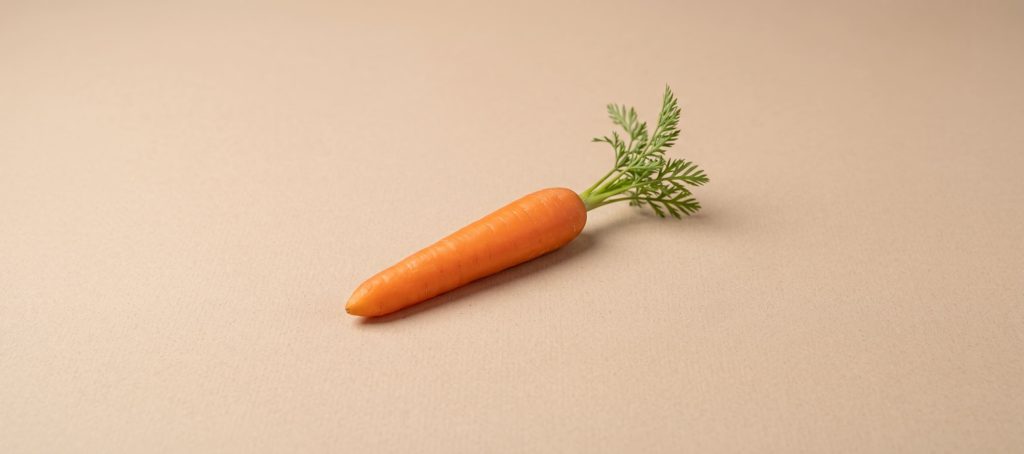
Quick answer: Yes, cats can eat carrots. Plain, cooked, finely chopped carrot is non-toxic and safe for most healthy cats as an occasional treat — but it should never replace meat, and it isn’t the nutritional powerhouse for cats that it is for humans. Keep carrots to less than 10% of your cat’s daily calories, skip all seasoning, and cut them small to prevent choking.
If your cat just stole a slice off your cutting board, take a breath — there’s no cause for alarm. But “not toxic” and “actually good for your cat” are two very different things, and most articles on this topic get one important detail wrong. This guide breaks down exactly what carrots do (and don’t) offer your cat, how to serve them safely, how much is too much, and when to skip them altogether.
Are Carrots Safe for Cats?
Carrots are not toxic to cats. The carrot root doesn’t appear on the ASPCA’s list of foods and plants that are dangerous to pets, which is why many veterinarians consider a small piece of plain carrot a perfectly acceptable treat. You’ll also find carrot listed as an ingredient in a surprising number of commercial wet foods, usually included as a source of fiber and plant nutrients rather than as a meaningful part of the protein profile.
But safety and necessity aren’t the same thing. Cats are obligate carnivores — their bodies are built to get nearly everything they need from animal tissue. Unlike dogs (who are omnivores) and humans, cats have no biological requirement for vegetables at all. So while carrots won’t hurt a healthy cat in small amounts, they’re firmly in “fun extra” territory, not “health food.”
If you want a deeper look at what a truly species-appropriate feline diet looks like, our guide to the raw cat food diet explains why meat, organs, and moisture matter so much more than any vegetable.
Do Carrots Have Any Real Benefits for Cats?
On paper, a carrot looks impressive. A medium raw carrot (about 60 grams) delivers roughly:
| Nutrient | Approx. per medium carrot | Why it matters (to a cat) |
|---|---|---|
| Calories | ~25 kcal | Low — but treats add up fast in a small animal |
| Protein | ~0.6 g | Negligible — carrots offer almost none |
| Fiber | ~1.7 g | Can gently support digestion in tiny amounts |
| Sugar | ~2.9 g | Relatively high for a cat; matters for diabetics |
| Beta-carotene | High | Looks great — but see the myth below |
| Vitamin K1, potassium | Moderate | Minor contribution at treat-sized portions |
| Water | ~88% | Cooked carrot adds a little hydration |
So what does this actually mean for your cat?
- A little fiber can help. In very small amounts, the fiber in carrots may support normal digestion and stool quality. (For a gentler, vet-favorite fiber source, though, most cats do better with plain cooked pumpkin — more on that in our guide to whether cats can eat pumpkin.)
- It’s a low-calorie crunchy treat. If your cat enjoys the texture, a thumbnail-sized piece is a far better reward than a fatty table scrap.
- Cooked carrot adds a bit of moisture. Not a substitute for wet food or fresh water, but every little bit helps cats prone to dehydration.
That’s genuinely the honest list. Now for the part most blogs get wrong.
The Beta-Carotene Myth Every Cat Owner Should Know
You’ll read again and again that carrots are “great for a cat’s eyesight” because they’re loaded with beta-carotene that converts to vitamin A. For cats, that’s largely a myth.
Humans and dogs can convert the beta-carotene in plants into active vitamin A. Cats mostly cannot. Research published in The Journal of Nutrition found that cats absorb beta-carotene but do not efficiently convert it into vitamin A, because they lack enough of the enzyme (beta-carotene 15,15′-monooxygenase) needed to do the job. A later feeding study confirmed that while cats can produce a trace of retinol from a beta-carotene dose, the conversion is nowhere near adequate to meet their vitamin A requirement without preformed vitamin A in the diet.
The takeaway: cats get their vitamin A from animal sources — liver, egg yolk, fish, and properly formulated cat food — not from carrots. Feeding carrots for “eye health” doesn’t do for your cat what it does for you. This is exactly why a complete, meat-based diet matters, and it’s a good reason to be skeptical of foods that lean heavily on plant fillers. (Our roundup of the best wet cat food brands walks through what a properly balanced formula should include.)
Why Your Cat Might Completely Ignore Carrots
Offer your cat a piece of carrot and there’s a good chance they’ll sniff it, give you a withering look, and walk away. There’s a fascinating reason for that.
Cats can’t taste sweetness. Researchers at the Monell Chemical Senses Center discovered that cats carry a broken (non-functional) version of the Tas1r2 gene — a “pseudogene” — meaning the sweet-taste receptor never fully forms. The finding, published in PLOS Genetics, showed that cats are indifferent to sugar because they physically lack the receptor to detect it, and the same genetic quirk shows up in tigers and cheetahs too.
So the sweetness that makes carrots appealing to us is completely lost on your cat. If your cat does go for carrots, they’re almost certainly drawn to the crunchy texture or simply curious about what you’re eating — not the flavor.
Raw vs. Cooked Carrots for Cats: Which Is Safer?
This is where preparation really matters. Both raw and cooked carrots are non-toxic, but they carry very different risk levels.
| Raw carrot | Cooked carrot | |
|---|---|---|
| Choking risk | Higher — hard and dense | Lower — soft and easy to chew |
| Digestibility | Harder for cats to break down | Gentler on the stomach |
| Best for | Only if finely grated/minced | The safer default for most cats |
| Prep | Grate or mince very finely | Steam, boil, or microwave until soft |
Cooked is the safer choice. Raw carrots are firm enough to be a genuine choking hazard for a small animal, and cats aren’t built to chew fibrous plant matter thoroughly. Steaming, boiling, or microwaving plain carrot until it’s soft dramatically reduces the choking risk and makes it easier to digest.
If you do offer raw carrot, grate it finely or mince it into tiny pieces and sprinkle a little over your cat’s food. Never hand a cat a whole baby carrot or a thick chunk.
How to Safely Prepare Carrots for Your Cat
Follow these steps to keep a carrot treat genuinely safe:
- Wash and peel it. Rinse well and peel away the skin to remove dirt and any surface residue.
- Cook it plain. Steam, boil, or microwave until soft. No butter, oil, salt, sugar, or seasoning of any kind.
- Let it cool completely. Serve at room temperature so there’s no risk of a burned mouth.
- Cut it into tiny, bite-sized pieces. Think smaller than a pea. Softened texture plus small size is your best defense against choking.
- Start with a nibble. The very first time, offer only a piece the size of your cat’s thumbnail, then wait 24–48 hours to watch for any digestive upset before offering more.
- Keep it plain and simple. Skip carrot mixed into human dishes, which almost always contain unsafe extras.
How Much Carrot Can a Cat Eat?
The golden rule of cat treats: treats should make up no more than 10% of your cat’s total daily calories. The other 90%+ must come from a complete, balanced cat food.
For perspective, an average 10-lb (4.5 kg) indoor cat needs only around 180–250 calories a day, so their entire treat “budget” is roughly 18–25 calories — and a single medium carrot already contains about 25. In practice, that means a realistic carrot portion is tiny:
| Cat’s weight | Rough daily treat budget | Sensible carrot serving |
|---|---|---|
| 5 lb (2.3 kg) | ~10–14 kcal | A few thumbnail-sized pieces |
| 10 lb (4.5 kg) | ~18–25 kcal | 1–2 teaspoons chopped, cooked carrot |
| 15 lb (6.8 kg) | ~27–35 kcal | Up to ~1 tablespoon chopped, cooked carrot |
A safe rhythm for most cats is a small serving once or twice a week, not daily — and remember, if you’re also giving other treats, the carrot has to share that 10% budget.
Want to know your specific cat’s calorie needs so you can size treats correctly? Run the numbers with our free cat food calculator, which factors in weight, age, and activity level.
When Carrots Become Dangerous
Carrots are safe until they aren’t. Here’s what turns a harmless treat into a real problem:
- Choking. The single biggest risk, especially with raw or large pieces. Always soften and cut small.
- Digestive upset. Too much carrot — or too much too soon — can cause vomiting, diarrhea, gas, or constipation. Introduce slowly and keep portions small.
- Too much sugar and carbohydrate. Carrots are relatively sugary for a cat. That’s a concern for diabetic cats and overweight cats, for whom even small carb sources can add up. If your cat has weight or blood-sugar issues, talk to your vet before offering carrots. (Curious how carbs fit into feline nutrition generally? See our take on grain-free cat food.)
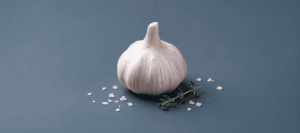
- Toxic add-ins — the real hidden danger. The carrot itself is fine; what people cook it with often isn’t. Onion and garlic are toxic to cats and frequently appear in savory carrot dishes, glazes, and stir-fries. Never assume a “carrot” side dish is safe. Read our full guides on why onion is dangerous for cats and whether garlic is toxic to cats.
- Carrot cake, glazed, or candied carrots — a hard no. These are loaded with sugar, fat, and calories (and cake often contains other unsafe ingredients). They’re not appropriate for cats in any amount.
- Carrot juice. Juicing strips out the fiber and leaves concentrated sugar, and store-bought juices may contain additives. Skip it.
Special Cases: Kittens, Seniors, Diabetic & Kidney Cats
- Kittens. Growing kittens need calorie- and protein-dense food formulated for development. A tiny taste of plain cooked carrot won’t hurt a healthy kitten, but there’s no reason to offer it — their calories are better spent on food built for growth.
- Senior cats. Older cats often have more sensitive digestion and may have dental issues, so soft, cooked, finely chopped carrot is essential if you offer any at all. (Not sure how “old” your cat really is? Our cat age calculator translates cat years to human years.)
- Diabetic cats. Because of the sugar content, carrots are a treat to approach cautiously — get your vet’s okay first.
- Cats with kidney disease or other medical conditions. Any dietary change, including new treats, should be cleared with your veterinarian, since therapeutic diets are carefully balanced.
What to Do If Your Cat Ate Too Much Carrot
If your cat ate a large amount of plain carrot, or swallowed a chunk of raw carrot, watch for:
- Choking signs: gagging, coughing, pawing at the mouth, or difficulty breathing — this is an emergency; contact a vet immediately.
- Digestive signs: vomiting, diarrhea, reduced appetite, or constipation over the next day or two.
For a plain carrot in a healthy cat, mild tummy upset that resolves within a day is the most likely outcome. But if the carrot was part of a dish containing onion, garlic, or heavy seasoning, or if symptoms are severe or persistent, call your veterinarian or the ASPCA Animal Poison Control Center right away. When in doubt, it’s always better to check.
Other Crunchy Veggies: A Quick Cat-Safety Cheat Sheet
Carrots aren’t the only vegetable cats can nibble. Here’s a quick reference — but the same rules always apply: plain, small amounts, cooked when possible, and never a meal replacement.
| Generally safe in small amounts | Feed with caution | Never feed (toxic) |
|---|---|---|
| Cooked pumpkin | Raw carrot (choking risk) | Onion |
| Cooked/steamed green beans | Cucumber (plain, peeled) | Garlic |
| Steamed broccoli (small bits) | Cooked peas | Leeks & chives |
| Cooked zucchini | Raw potato (avoid) | Grapes & raisins |
Want the full picture before you share anything from your plate? Browse all our food guides on the CatFoodCheck blog, or run any food through our safety checker first.
Key Takeaways
- Yes, cats can eat plain, cooked, chopped carrot in small amounts as an occasional treat — it’s non-toxic.
- Carrots aren’t necessary. Cats are obligate carnivores and thrive on meat, not vegetables.
- The beta-carotene “eye health” claim is a myth for cats — they can’t efficiently convert it to vitamin A and need animal sources instead.
- Cooked beats raw for safety; always cut carrots into tiny pieces to prevent choking.
- Keep it under 10% of daily calories, roughly 1–2 teaspoons once or twice a week for an average cat.
- The real danger is what’s added — onion, garlic, salt, butter, and sugar. Serve carrots plain, or not at all.
Frequently Asked Questions
Can cats eat raw carrots? They can, but raw carrot is hard and poses a choking risk. If you offer it raw, grate or mince it very finely. Cooking until soft is the safer option for most cats.
Can kittens eat carrots? A tiny taste of plain cooked carrot won’t harm a healthy kitten, but it offers no real benefit. Kittens need protein- and calorie-dense food made for growth, so it’s better to skip it.
Can cats eat carrot cake? No. Carrot cake contains sugar, fat, and often other ingredients unsafe for cats. It’s not appropriate in any amount.
Do carrots help a cat’s digestion? The small amount of fiber in carrots may gently support digestion, but plain cooked pumpkin is usually a better, easier-to-tolerate fiber source for cats.
Can cats eat carrot tops or greens? Carrot greens aren’t considered a toxic risk, but they offer no benefit and can cause stomach upset. There’s no reason to feed them.
How often can cats eat carrots? At most once or twice a week, in tiny portions, as long as carrots stay within your cat’s 10% treat allowance.
Are carrots good for a cat’s eyesight? Not really. Unlike in humans, the beta-carotene in carrots isn’t efficiently converted to vitamin A in cats, so it doesn’t provide the eye-health benefit people often assume.
Can a cat be allergic to carrots? Food allergies in cats are usually to protein sources, and carrot allergies are rare. Still, introduce any new food slowly and watch for signs like itching, vomiting, or diarrhea.
Sources & Further Reading
- ASPCA Animal Poison Control Center — foods and plants dangerous to pets: aspca.org
- Cornell Feline Health Center — feline nutrition and health resources: vet.cornell.edu
- Tufts Petfoodology (Cummings Veterinary Medical Center) — evidence-based pet nutrition: vetnutrition.tufts.edu
- The Journal of Nutrition — “Cats Absorb β-Carotene, but It Is Not Converted to Vitamin A”: jn.nutrition.org
- Journal of Animal Physiology and Animal Nutrition — feline β-carotene to retinol conversion study: pubmed.ncbi.nlm.nih.gov
- PLOS Genetics — “Pseudogenization of a Sweet-Receptor Gene Accounts for Cats’ Indifference toward Sugar”: journals.plos.org
This article is for general informational purposes and isn’t a substitute for professional veterinary advice. Every cat is different — always consult your veterinarian before introducing new foods, especially if your cat has a health condition. See our full disclaimer for details.