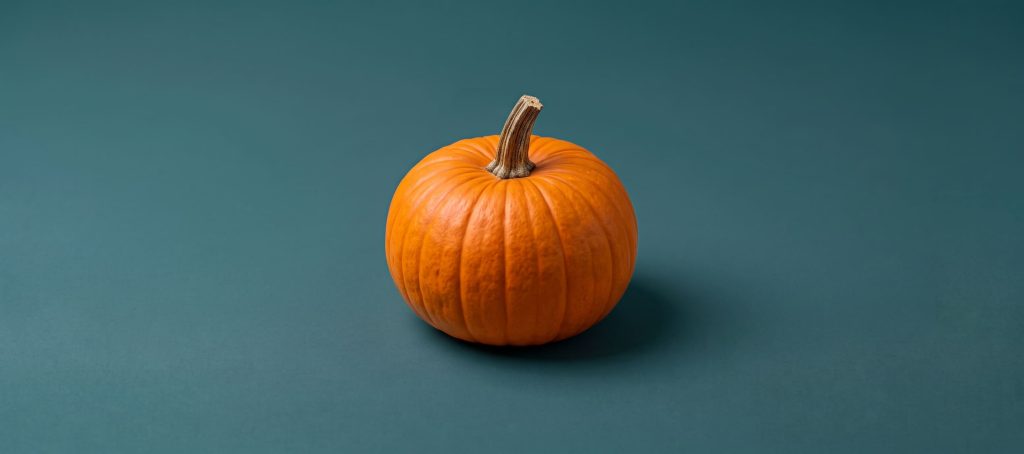
Quick answer: Yes — cats can safely eat small amounts of plain, cooked pumpkin, and it’s one of the few “human foods” that veterinarians actually reach for to support feline digestion. The fiber and moisture in pumpkin can help with mild constipation, loose stools, and hairballs. The catch: it has to be 100% plain pumpkin, served in tiny portions, and it is a supplement — never a replacement for a meat-based diet. Spiced or sweetened pumpkin (like pie filling) can be dangerous.
If that’s all you came for, you’re covered. But how much pumpkin, how to prepare it, which type to buy, and when pumpkin is the wrong choice entirely are the details that actually keep your cat safe — so let’s get into them.
Is Pumpkin Safe for Cats?
Pumpkin sits in an unusual category: it’s a plant food that’s genuinely useful for an animal built to eat meat.
Cats are obligate carnivores, meaning their bodies are designed to get nearly all of their nutrition from animal protein and fat. Plant matter isn’t something they need, and their short digestive tract isn’t built to process large amounts of it. That’s exactly why pumpkin should be treated as a functional add-on — a fiber and moisture “tool” — rather than a food group.
Used that way, plain pumpkin is well tolerated by most healthy adult cats. It shows up often enough in commercial recipes that you may spot it on ingredient labels, usually added for its fiber. If you want to understand what a well-formulated, meat-first diet should look like underneath any treat like this, our guide to the best wet cat food brands breaks down what to look for, and the CatFoodCheck food checker lets you look up almost any other food in seconds.
The golden rule before we go further: plain pumpkin only. No sugar, no spice, no “pumpkin pie” anything. More on why below.
Why Pumpkin Helps Digestion: The Fiber Science
Pumpkin’s digestive reputation comes down to one thing — fiber — but the reason it works for both constipation and diarrhea surprises a lot of owners. The secret is that pumpkin contains two different kinds of fiber that do two different jobs.
- Soluble fiber dissolves in water and forms a gel. It slows things down and absorbs excess moisture in the gut, which is why it can help firm up loose, watery stools.
- Insoluble fiber doesn’t dissolve. It adds bulk and helps move material through the intestines, which is what gets a sluggish, constipated system going again.
On top of that, pumpkin is roughly 90% water. That extra moisture is a big part of the story — hydration in the intestines helps soften hard stool, and many cats are chronically under-hydrated because their instinct to drink is weak. According to Hill’s Pet, the fiber in pumpkin can both reduce excess moisture in the digestive tract and add bulk to stool, which is exactly why the same food can pull double duty.
Think of pumpkin less as a medicine and more as a gentle regulator that nudges the gut back toward normal.
The Digestive Benefits of Pumpkin for Cats
Here’s where pumpkin actually earns its place in your pantry. Note that every benefit below assumes small amounts and a plain product.
1. Relief for Mild Constipation
This is pumpkin’s headline use. The combination of water and insoluble fiber hydrates and bulks up hard stool, helping it pass more comfortably. Some cats show relief within a day. If your cat strains in the litter box, produces small dry pellets, or goes less often than usual, a small daily spoonful of pumpkin is a reasonable first step — alongside making sure they’re drinking enough.
2. Firming Up Mild Diarrhea
Because soluble fiber soaks up excess water, pumpkin can help firm up loose stools from a minor dietary upset. It’s often used as part of a temporary bland-diet approach. Speaking of which, plain cooked rice is another gut-settling staple owners ask about — our can cats eat rice guide explains where it helps and where it doesn’t.
Important caveat: diarrhea frequently has a medical cause — parasites, bacteria, food intolerance, or an underlying illness. Pumpkin can mask a symptom without fixing the problem, so it should never be used to quietly “manage” diarrhea that keeps coming back. When in doubt, get a stool sample checked.
3. Fewer Hairballs
That same fiber acts like a soft broom, helping ingested fur move through the digestive tract and out the normal way — instead of coming back up as a hairball. For long-haired cats or dedicated groomers, a little pumpkin a few times a week can cut down on the frequency of hairballs.
4. Weight Management Support
Pumpkin is low in calories but high in fiber and water, so it adds bulk and a feeling of fullness without adding much energy. For a cat on a diet, swapping a small amount of pumpkin in for some of their calories can help them feel satisfied. The key word is swap, not add on top — extra calories are still extra calories. To dial in your cat’s actual daily needs, run the numbers through our free cat food calculator.
What’s Actually in Pumpkin? (Nutrition Snapshot)
Beyond fiber and water, plain pumpkin brings a modest dose of vitamins and minerals. Per PetMD, pumpkin contains nutrients including:
- Fiber (soluble and insoluble) — the main event
- Vitamin A and beta-carotene — supports vision and immune health
- Vitamin C and Vitamin K
- Potassium, calcium, and phosphorus
- High moisture content — roughly 90% water
A quick reality check: cats absorb only tiny amounts of pumpkin, so don’t think of it as a nutritional powerhouse for them. The vitamins are a nice bonus, but the digestive fiber and hydration are the real reasons to offer it.
How Much Pumpkin Can a Cat Eat?
Less than you’d think. Pumpkin is a treat, and the Cornell Feline Health Center advises that treats of any kind should make up no more than about 10–15% of a cat’s daily calories — with the rest coming from a complete, balanced diet. Since an average cat only needs roughly 200–250 calories a day, that treat allowance is small, and pumpkin has to share it with everything else.
The other reason to keep portions tiny: too much pumpkin causes the very thing it’s meant to fix. Overdo the fiber and you’ll trigger loose stools, gas, or an upset stomach.
Use these general ranges as a starting point, and always introduce pumpkin slowly:
| Situation | Suggested amount | Frequency | Notes |
|---|---|---|---|
| First time / introducing it | ¼ teaspoon | Once, then watch for 24 hrs | Check for loose stool before giving more |
| Hairball support | ½–1 teaspoon | A few times per week | Mix into wet food |
| Mild constipation | 1–2 teaspoons | Daily, short-term | Ensure hydration; see a vet if no improvement in 24–48 hrs |
| Mild diarrhea | ½–1 teaspoon | 1–2× daily, short-term | See a vet if it persists past 24–48 hrs |
| Weight/satiety support | ½ teaspoon | Daily | Swap for calories — don’t add on top |
These are general guidelines, not a prescription. Your cat’s ideal amount depends on their weight, age, and health — confirm with your veterinarian, especially for ongoing issues.
How to Safely Feed Pumpkin to Your Cat
Getting the “how” right matters as much as the “how much.”
- Start with a lick. Offer a ¼-teaspoon taste and wait a full day. Watch the litter box before increasing the amount.
- Mix it in. Most cats accept pumpkin best when it’s stirred into wet food or a lick-able topper rather than served on its own. A thin smear on a silicone lick mat also works well and doubles as enrichment.
- Serve it at room temperature. Cold-from-the-fridge food is less appealing; a spoonful warmed slightly is more tempting.
- Portion and freeze the rest. A can of pumpkin makes far more than one cat will use. Freeze leftovers in an ice-cube tray or in teaspoon dollops so nothing spoils — plain pumpkin doesn’t keep long once opened.
- Don’t force it. If your cat turns up their nose, that’s fine. Pumpkin isn’t essential, and a protein-based treat like a flake of cooked salmon or shrimp may go over better for the cat who “side-eyes the spoon.”
Which Type of Pumpkin — and What to Avoid
This is the part that trips people up, and it’s the difference between a helpful treat and a trip to the emergency vet.
✅ Safe to feed
- 100% plain canned pumpkin (pumpkin purée). Check the label — the only ingredient should be pumpkin. This is the easiest, most reliable choice.
- Fresh pumpkin, cooked and plain. Steam, boil, or bake the flesh with no salt, oil, butter, or seasoning, then mash it. If you’re cooking from scratch, choose small “sugar” or “pie” pumpkins — the big carving pumpkins tend to be stringier and harder for a cat’s short gut to handle.
❌ Never feed
- Pumpkin pie filling / pumpkin pie mix. This is the big one. It’s loaded with sugar and spices, and it can contain nutmeg, which is toxic to cats. It may also contain xylitol, an artificial sweetener that is extremely dangerous to pets.
- Pumpkin spice anything. Cinnamon, nutmeg, cloves, and ginger are common pie spices that can cause problems for cats. When it comes to seasonings, plainer is always safer — the same caution applies to aromatics like onion and garlic, which are outright toxic. For the full list of what to keep away from your cat, see our foods toxic to cats guide.
- Raw pumpkin, skin, stem, and the stringy pulp. Raw pumpkin is tough to digest and a choking hazard, and the fibrous “guts” aren’t digestible. Cook it and use the smooth flesh only.
- Sweetened, salted, or buttered pumpkin of any kind — including leftovers from your own plate.
When in doubt about an ingredient, the ASPCA Animal Poison Control Center is an authoritative resource for what is and isn’t safe.
Risks and Side Effects of Too Much Pumpkin
Pumpkin is gentle, but it’s not risk-free. Keep an eye out for:
- Loose stools, gas, or bloating — the classic sign you’ve given too much fiber. Scale back or stop.
- Nutritional imbalance — because pumpkin is filling, a cat that eats too much of it may eat less of the meat-based food that actually meets their needs. This matters most for kittens and cats with health conditions.
- Masked symptoms — using pumpkin to paper over recurring digestive trouble can delay diagnosis of a real problem.
- Kittens under ~16 weeks — very young kittens have developing guts, and there simply isn’t enough known about giving them pumpkin. Skip it and check with your vet.
- Cats on prescription or therapeutic diets — added fiber can interfere with a carefully balanced medical diet. If your cat eats a special diet, for example one formulated for kidney disease, ask your vet before adding anything.
When to Skip the Pumpkin and Call Your Vet
Pumpkin is for mild, occasional, short-term digestive hiccups. It is not a treatment for anything serious. Contact your veterinarian promptly if your cat shows any of these signs:
- Constipation or diarrhea that lasts more than 24–48 hours, or that keeps coming back
- Vomiting, lethargy, hiding, or refusing to eat
- Blood in the stool, or straining with little or no result
- A distended or painful belly
- Any digestive change in a kitten, a senior cat, or a cat with a known health condition
These can point to obstructions, infections, parasites, or organ disease — problems a spoonful of pumpkin can’t fix and shouldn’t delay treating.
Frequently Asked Questions
Can cats eat pumpkin every day?
Small daily amounts of plain pumpkin — roughly ½ to 1 teaspoon — are generally fine for most healthy adult cats, and vets often suggest a little each day for ongoing hairball or mild constipation support. Keep it within the treat budget and watch for loose stools.
How much pumpkin should I give a cat for constipation?
A common starting range is 1–2 teaspoons of plain pumpkin per day, short-term, alongside making sure your cat is well hydrated. If there’s no improvement within 24–48 hours, stop and call your vet.
How long does it take for pumpkin to work?
For mild constipation, some cats respond within a few hours to a day thanks to the added moisture and fiber. If nothing has changed after a day or two, it’s a vet visit, not more pumpkin.
Can kittens eat pumpkin?
It’s best to avoid pumpkin for kittens under about 16 weeks, whose digestive systems are still developing. Ask your veterinarian before offering it to a young kitten.
Can cats eat raw pumpkin?
No. Raw pumpkin is hard to digest and can be a choking hazard, and the skin, stem, and stringy pulp aren’t suitable. Always serve it cooked and plain.
Can cats eat pumpkin seeds?
In tiny amounts, plain, roasted, unsalted seeds — ideally ground — aren’t toxic, but they aren’t necessary and offer little benefit. And no, pumpkin seeds are not a proven dewormer, despite the myth; use a real veterinary product for parasites.
Can cats eat pumpkin pie or pumpkin spice foods?
No. Pie filling and pumpkin-spice products contain sugar and spices such as nutmeg (toxic to cats) and can contain xylitol (dangerous to pets). Stick to 100% plain pumpkin only.
Is canned or fresh pumpkin better for cats?
Both work if they’re plain. Plain canned purée is the most convenient and consistent option; fresh is fine as long as it’s a cooked, unseasoned sugar/pie pumpkin with the skin, seeds, and pulp removed.
Key Takeaways
- Yes, cats can eat pumpkin — plain, cooked, and in small amounts.
- It supports digestion in three main ways: easing mild constipation, firming up mild diarrhea, and helping with hairballs, thanks to its blend of soluble and insoluble fiber plus high moisture.
- Keep portions tiny (start at ¼ teaspoon); treats should stay within about 10–15% of daily calories, and too much pumpkin causes loose stools.
- Use 100% plain pumpkin only. Never feed pie filling, spiced, sweetened, or raw pumpkin — nutmeg and xylitol are genuine dangers.
- Pumpkin is a short-term helper, not a cure. Persistent or severe digestive issues always warrant a call to your veterinarian.
Curious what else is on your cat’s “safe” and “not safe” list? Browse the full library of vet-reviewed guides on the CatFoodCheck blog, or look up any food instantly with the food checker.
This article is for informational purposes only and does not replace professional veterinary advice. If your cat is unwell or has eaten something potentially harmful, contact your veterinarian right away.