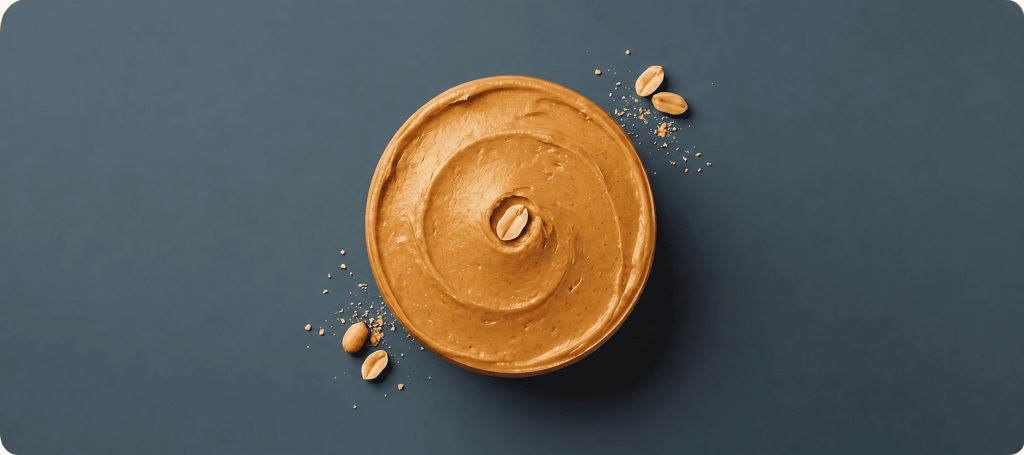
You’ve just opened a jar of peanut butter, and your cat is staring at you with those impossible-to-resist eyes. You think, “Just a tiny taste won’t hurt, right?”
Maybe. Maybe not.
While peanut butter isn’t classified as a toxic food for cats the way chocolate or onions are, the answer to “Can cats eat peanut butter?” is far more complicated than a simple yes or no. There are hidden ingredients that can be fatal within hours, choking risks unique to feline anatomy, and long-term health consequences that most pet blogs won’t tell you about.
In this guide, we’ll break down everything — the real risks, the truly safe amounts based on your cat’s weight, and what veterinarians actually recommend.
The Short Answer: Can Cats Eat Peanut Butter?
Technically, yes — but it’s not recommended.
Plain, unsweetened, xylitol-free peanut butter is not inherently toxic to cats. However, it provides zero nutritional benefit to felines and comes with a laundry list of risks ranging from gastrointestinal distress to life-threatening choking hazards.
Here’s the bottom line from veterinary consensus:
| Factor | Verdict |
|---|---|
| Toxic to cats? | Not inherently (unless it contains xylitol) |
| Nutritionally beneficial? | No — cats are obligate carnivores |
| Safe as an occasional treat? | In very small amounts, for most cats |
| Recommended by vets? | Generally not recommended |
| Safe for kittens? | No |
Cats are obligate carnivores, meaning their entire digestive system is designed to process animal-based proteins. According to the Cornell University College of Veterinary Medicine, cats lack the metabolic pathways to efficiently process plant-based fats and proteins found in peanut butter. So even when it’s “safe,” it’s never actually good for them.
Why Do Cats Even Like Peanut Butter?
This is one of the most interesting quirks of cat behavior. Cats cannot taste sweetness — they lack the TAS1R2 gene responsible for sweet taste receptors. A landmark 2005 study published in PLOS Genetics by Xia Li et al. confirmed that the Tas1r2 gene in cats is a pseudogene, with a 247-base-pair deletion that prevents the formation of functional sweet-taste receptors. So what draws them to peanut butter?
1. Fat Content
Peanut butter is roughly 50% fat by weight. Cats have highly sensitive fat receptors, and the rich, creamy texture of peanut butter is deeply appealing to their palate.
2. Protein Smell
Peanut butter has a strong amino acid aroma. Cats have approximately 200 million scent receptors (compared to 5 million in humans), and they can pick up the protein-rich scent signals from peanut butter.
3. Texture Curiosity
The sticky, unusual texture of peanut butter is unlike anything in a cat’s natural diet. Many cats are drawn to novel textures out of curiosity rather than genuine appetite.
4. Your Behavior
Cats are incredibly attuned to their owners’ behavior. If they see you eating something with obvious enjoyment, they’re more likely to want to investigate and share.
The Xylitol Danger: The One Ingredient That Can Kill Your Cat
This is the single most important thing you need to know.
Xylitol (also labeled as “birch sugar” or “wood sugar”) is an artificial sweetener increasingly used in “low-sugar,” “no sugar added,” and “keto-friendly” peanut butter brands. The FDA has issued a consumer alert warning that xylitol is extremely toxic to pets, including cats and dogs.
How Xylitol Harms Cats
In cats, xylitol can cause:
- Rapid insulin release → severe hypoglycemia (dangerously low blood sugar)
- Liver necrosis (liver cell death) within 12–24 hours
- Seizures from blood sugar crashes
- Coagulopathy (blood clotting failure)
- Death — even in small amounts
How Much Xylitol Is Dangerous?
For cats, as little as 0.1 g/kg of body weight can trigger hypoglycemia. For a 4 kg (8.8 lb) cat, that’s roughly 0.4 grams — an amount easily found in a single teaspoon of xylitol-sweetened peanut butter.
Peanut Butter Brands Known to Contain Xylitol
Always check labels. As of 2026, these brands have been identified as containing xylitol or birch sugar:
- Go Nuts, Co.
- Krush Nutrition
- Nuts ‘N More
- P28 Foods
- No Cow (some products)
- Some store-brand “sugar-free” varieties
⚠️ Rule of thumb: If the peanut butter label says “sugar-free,” “no sugar added,” “keto,” or “low carb” — do NOT give it to your cat until you have verified every ingredient.
What to Do If Your Cat Eats Xylitol
- Do NOT wait for symptoms — xylitol toxicity progresses rapidly
- Call your veterinarian or the ASPCA Animal Poison Control Center (888-426-4435) immediately
- Note the brand, amount eaten, and time of ingestion
- Do not induce vomiting unless specifically directed by a veterinarian
Full List of Peanut Butter Risks for Cats
Even xylitol-free peanut butter carries significant risks for cats. Here’s a comprehensive breakdown:
1. Choking Hazard (High Risk)
Peanut butter’s thick, sticky consistency is uniquely dangerous for cats. Unlike dogs, cats have a smaller esophagus and a more sensitive gag reflex. Peanut butter can:
- Stick to the roof of the mouth and throat
- Block the airway, especially in smaller cats
- Cause panic and aspiration if the cat struggles to swallow
This is arguably the most underrated risk of giving peanut butter to cats.
2. Gastrointestinal Distress
Cats’ digestive systems are not equipped to handle high-fat, plant-based foods. Peanut butter can cause:
- Vomiting (often within 1–4 hours)
- Diarrhea (can be severe)
- Abdominal pain and bloating
- Inappetence (refusing to eat regular food afterward)
3. Pancreatitis Risk
This is a serious medical condition. According to the Merck Veterinary Manual, while the direct link between high-fat diets and feline pancreatitis is less established than in dogs, peanut butter’s high fat content (approximately 50g of fat per 100g) can still trigger acute pancreatitis in susceptible cats — inflammation of the pancreas that can be:
- Extremely painful
- Potentially life-threatening
- Expensive to treat ($1,000–$5,000+ in veterinary bills)
- A recurring problem once triggered
Cats with any history of digestive issues, obesity, or diabetes are at significantly higher risk.
4. Obesity and Weight Gain
According to the Association for Pet Obesity Prevention (APOP), over 33% of cats in the U.S. are classified as overweight or obese. High-calorie treats are a major contributor. A single tablespoon of peanut butter contains approximately 94 calories. For a 4 kg (8.8 lb) cat that needs roughly 200 calories per day, that one tablespoon represents 47% of their entire daily caloric intake.
🔢 How many calories does YOUR cat need? Use our Cat Food Calculator to get a personalized daily calorie recommendation based on your cat’s weight, age, and activity level. Knowing this number helps you understand why even small treats can have a big impact.
5. Aflatoxin Exposure
Peanuts are susceptible to a mold called Aspergillus flavus, which produces aflatoxins — potent carcinogenic compounds. The FDA regulates aflatoxin levels in peanut products at a maximum of 20 parts per billion (ppb) for human consumption. While commercial peanut butter is tested, trace amounts may still be present. Cats are more sensitive to aflatoxins than many other animals, with chronic exposure potentially leading to:
- Liver damage
- Immune system suppression
- Increased cancer risk
6. Salt Toxicity
Most commercial peanut butters contain added salt. Cats have a very low sodium tolerance. Excessive salt can cause:
- Excessive thirst and urination
- Vomiting
- In severe cases: sodium ion poisoning, seizures, and death
7. Allergic Reactions
While rare, cats can develop allergies to peanuts. Symptoms may include:
- Itching and skin irritation
- Swelling (particularly around the face)
- Respiratory distress
- Gastrointestinal upset
8. Nutritional Imbalance
If a cat develops a preference for peanut butter, it may begin refusing its nutritionally complete cat food. The Cornell Feline Health Center notes that cats require specific nutrients — including taurine, arachidonic acid, and preformed vitamin A — that can only be obtained from animal-based proteins. Displacement of balanced food can lead to:
- Taurine deficiency (causing heart disease and blindness)
- Protein malnutrition
- Vitamin A and B deficiency
How Much Peanut Butter Can a Cat Safely Eat?
If you’ve checked the label, confirmed there’s no xylitol, and your cat has no history of digestive issues, pancreatitis, diabetes, or obesity — here are the vet-aligned guidelines:
Safe Serving Size by Cat Weight
| Cat Weight | Maximum Peanut Butter | Approximate Calories | Frequency |
|---|---|---|---|
| 2–3 kg (4.4–6.6 lbs) | ¼ teaspoon (1.25 ml) | ~8 calories | No more than once per week |
| 3–4.5 kg (6.6–10 lbs) | ½ teaspoon (2.5 ml) | ~16 calories | No more than once per week |
| 4.5–6 kg (10–13 lbs) | ½ teaspoon (2.5 ml) | ~16 calories | No more than once per week |
| 6+ kg (13+ lbs) | ¾ teaspoon (3.75 ml) | ~24 calories | No more than once per week |
The 10% Treat Rule
The World Small Animal Veterinary Association (WSAVA) Global Nutrition Guidelines recommend that treats should make up no more than 10% of a cat’s daily caloric intake. For most cats, that’s only 20–25 calories worth of treats per day.
A half-teaspoon of peanut butter (~16 calories) fits within this limit, but remember — if you’re giving peanut butter, you should reduce or eliminate other treats that day.
📊 Pro Tip: Not sure how treats fit into your cat’s diet? Our Cat Food Calculator shows you your cat’s total daily calorie needs, making it easy to calculate that critical 10% treat budget.
Can Kittens Eat Peanut Butter?
No. Do not give peanut butter to kittens.
The 2021 AAHA/AAFP Feline Life Stage Guidelines classify kittens as birth to 1 year — a critical developmental window. Here’s why kittens are at significantly higher risk:
- Choking hazard is amplified — kittens have tiny airways and esophagi, making the sticky texture of peanut butter far more dangerous
- Digestive systems are immature — kittens are even less equipped to process plant fats and proteins
- Caloric disruption — kittens need very specific nutritional profiles for growth. Peanut butter can displace essential nutrients
- Higher sensitivity to toxins — kittens’ livers are less developed, making them more vulnerable to any contaminants in peanut butter
- Imprinting on bad foods — kittens that develop a taste for human foods early may become picky eaters, refusing nutritionally complete kitten food
If you have a kitten, focus exclusively on high-quality kitten food formulated for their specific growth needs.
🐱 Curious about your kitten’s development stage? Our Cat Age Calculator converts your cat’s age to human years and tells you exactly which life stage they’re in — kitten, junior, prime, or beyond — with health tips for each stage.
Can Cats Eat Different Types of Peanut Butter?
Not all peanut butter is created equal when it comes to cat safety. Here’s how different varieties compare:
Comparison Table
| Type | Safety Level | Notes |
|---|---|---|
| Natural/Organic (unsweetened, unsalted) | 🟡 Safest option | Fewest additives, but still high in fat |
| Regular creamy (Jif, Skippy, etc.) | 🟠 Use extreme caution | Contains added sugar, salt, and hydrogenated oils |
| Crunchy/Chunky | 🔴 Not recommended | Nut pieces increase choking risk significantly |
| Sugar-free/Low-carb/Keto | 🔴 NEVER give to cats | High likelihood of containing xylitol |
| Flavored (honey, chocolate, etc.) | 🔴 NEVER give to cats | Chocolate is toxic; honey adds sugar risks |
| Powdered peanut butter (PB2, etc.) | 🟠 Use extreme caution | Lower fat but may contain additives; check label |
| Homemade (peanuts only) | 🟡 Safest option | No additives if made from plain dry-roasted peanuts |
The Safest Choice
If you absolutely must give your cat peanut butter, choose:
- Unsalted, unsweetened, natural peanut butter with only one ingredient: peanuts
- Or make your own by blending plain dry-roasted peanuts
Always read the full ingredient list every time you buy a new jar — formulations change without warning.
Symptoms of Peanut Butter Allergies in Cats
Peanut allergies are uncommon in cats but not impossible. If you give your cat peanut butter for the first time, monitor for these signs within the first 24–48 hours:
Mild Symptoms
- Excessive scratching or grooming
- Red, inflamed skin (particularly around the ears, chin, or belly)
- Sneezing or nasal discharge
- Watery eyes
- Mild vomiting or soft stools
Moderate to Severe Symptoms (Seek Vet Care Immediately)
- Facial swelling (especially around the lips and eyes)
- Hives or raised bumps on the skin
- Difficulty breathing or wheezing
- Persistent vomiting or diarrhea
- Lethargy or collapse
Anaphylaxis (Emergency — Call Vet Immediately)
True anaphylactic reactions are rare in cats from food allergens, but signs include:
- Sudden collapse
- Extreme difficulty breathing
- Pale gums
- Rapid or weak pulse
- Loss of consciousness
When to Call Your Vet Immediately
Contact your veterinarian or an emergency animal hospital right away if your cat:
✅ Has eaten peanut butter containing xylitol (even a small amount)
✅ Is choking, gagging, or pawing at their mouth after eating peanut butter
✅ Shows signs of difficulty breathing
✅ Has persistent vomiting (more than twice in 2 hours)
✅ Develops severe diarrhea, especially bloody diarrhea
✅ Becomes lethargic, unresponsive, or disoriented
✅ Shows facial swelling or hives
✅ Has seizures or tremors
✅ Has a pre-existing condition (diabetes, pancreatitis, kidney disease) and ate peanut butter
Emergency Contacts
- ASPCA Animal Poison Control: (888) 426-4435 (fee may apply)
- Pet Poison Helpline: (855) 764-7661 (fee may apply)
- Your local emergency veterinary clinic
Healthier Alternatives to Peanut Butter for Cats
If your cat craves a creamy, high-value treat, there are much better options that actually align with their nutritional needs:
Protein-Based Alternatives (Recommended)
| Alternative | Why It’s Better | How to Serve |
|---|---|---|
| Cooked plain chicken | High protein, low fat, easily digestible | Shredded, no seasoning, boneless |
| Plain cooked salmon | Omega-3 fatty acids, high palatability | Small flaked pieces, no bones or seasoning |
| Meat-based cat treats | Formulated for feline nutrition | Follow package directions |
| Freeze-dried meat treats | Single ingredient, high protein | Break into small pieces |
| Lickable cat treats (Churu, etc.) | Creamy texture cats love, nutritionally appropriate | Squeeze from tube or into bowl |
Occasional Alternatives
| Alternative | Notes |
|---|---|
| Plain pumpkin purée (not pie filling) | Good for digestion, low calorie |
| Cooked egg (no seasoning) | High protein, but give sparingly |
| Small amount of plain yogurt | Some cats tolerate dairy; monitor for upset |
| Watermelon (seedless, no rind) | Hydrating, low calorie, but minimal nutrition for cats |
🔍 Before trying any new treat, always check it first with our Cat Food Safety Checker to make sure it’s safe for your feline friend.
How to Safely Give Your Cat Peanut Butter (If You Choose To)
If you’ve weighed the risks and still want to offer your cat a tiny taste, follow this protocol:
Step 1: Check the Label
- ✅ Confirm NO xylitol (also check for “birch sugar” or “wood sugar”)
- ✅ Confirm NO chocolate
- ✅ Prefer brands with only one ingredient: peanuts
- ✅ Choose unsalted and unsweetened varieties
Step 2: Start Extremely Small
- Offer an amount no larger than a pea (about ⅛ teaspoon)
- This is a taste test, not a treat
Step 3: Monitor the Delivery
- Smear a thin layer on a plate or your finger — never offer a glob
- Stay with your cat while they eat it to watch for choking
- Have water available nearby
Step 4: Watch for 24 Hours
- Monitor for vomiting, diarrhea, scratching, swelling, or behavioral changes
- If any symptoms appear, do not give peanut butter again and consult your vet
Step 5: Limit Frequency
- Maximum once per week if tolerated
- Reduce other treats on peanut butter days
- Never exceed ½ teaspoon for an average-sized cat
Step 6: Know When to Stop Permanently
Stop giving peanut butter entirely if your cat:
- Has any digestive reaction (even mild)
- Is overweight or obese
- Has diabetes, pancreatitis, or kidney disease
- Is a kitten (under 12 months)
- Is a senior cat (over 11 years) with health conditions
- Shows any allergic symptoms
Frequently Asked Questions
Is peanut butter used to give cats medication?
Some cat owners use peanut butter to hide pills, but this is not recommended by most veterinarians. The sticky texture can cause choking, and the taste often isn’t appealing enough to mask medication. Better options include:
- Pill pockets designed for cats
- Crushing medication into wet food (only if your vet approves)
- Liquid or transdermal medications (ask your vet about alternatives)
Can cats eat peanuts?
Plain, unsalted, dry-roasted peanuts are not toxic to cats, but they’re a choking hazard and offer no nutritional benefit. Whole or halved peanuts should never be given to cats. If anything, a single crushed peanut is less risky than peanut butter because it doesn’t have the sticky-airway-blocking consistency.
Can cats eat almond butter or cashew butter?
These have similar risk profiles to peanut butter — high fat, potential for additives, and no nutritional value for cats. Macadamia nut butter is toxic to cats and should never be given. Always verify any nut butter with a food safety check before offering it.
My cat licked peanut butter off my finger. Should I be worried?
A tiny lick of xylitol-free peanut butter is unlikely to cause problems for a healthy adult cat. Monitor them for a few hours for any signs of GI upset. If the peanut butter contained xylitol, contact your vet immediately regardless of the amount.
How do I know if my peanut butter contains xylitol?
Read the ingredient list carefully. Xylitol may also be listed as:
- Birch sugar
- Wood sugar
- E967 (European food additive code)
- Xylite
If any of these appear — do not give it to your cat.
Can diabetic cats eat peanut butter?
No. Peanut butter’s fat and calorie content can destabilize blood sugar levels in diabetic cats. The carbohydrates in many commercial peanut butters further complicate glycemic control. Diabetic cats should only eat veterinarian-approved diets.
Does peanut butter cause hairballs?
Not directly, but the gastrointestinal upset caused by peanut butter may alter gut motility, potentially affecting hairball passage. There’s no evidence that peanut butter helps with hairballs, despite some internet claims.
Can pregnant or nursing cats eat peanut butter?
Not recommended. Pregnant and nursing cats have very specific and elevated nutritional needs. Peanut butter provides empty calories that could displace critical nutrients needed for kitten development and milk production.
🤰 Expecting kittens? Our Cat Pregnancy Calculator helps you estimate your cat’s due date and provides week-by-week nutrition and care guidance throughout the pregnancy.
Final Verdict: Should You Give Your Cat Peanut Butter?
Let’s be honest: there’s no good reason to give your cat peanut butter.
It provides no nutritional value to obligate carnivores. It carries real risks — from choking and pancreatitis to the potentially fatal xylitol danger. And there are dozens of safer, more nutritious treats that your cat will enjoy just as much (or more).
If you do give peanut butter:
- ✅ Only xylitol-free, unsalted, unsweetened, natural varieties
- ✅ No more than ½ teaspoon, once a week maximum
- ✅ Never to kittens, senior cats with health issues, or cats with diabetes/pancreatitis
- ✅ Always supervise and monitor for reactions
The safest approach: Skip the peanut butter entirely and stick to species-appropriate treats designed for cats.
Sources & References
- ASPCA Animal Poison Control Center — People Foods to Avoid Feeding Your Pets
- Li, X. et al. (2005) — “Pseudogenization of a Sweet-Receptor Gene Accounts for Cats’ Indifference toward Sugar.” PLOS Genetics, 1(1), e3. DOI: 10.1371/journal.pgen.0010003
- U.S. Food & Drug Administration (FDA) — Paws Off Xylitol: It’s Dangerous for Dogs
- Cornell University College of Veterinary Medicine — Feeding Your Cat
- Merck Veterinary Manual — Pancreatitis in Small Animals
- World Small Animal Veterinary Association (WSAVA) — Global Nutrition Guidelines
- Association for Pet Obesity Prevention (APOP) — 2024 Pet Obesity Survey Results
- AAHA/AAFP (2021) — Feline Life Stage Guidelines
- Pet Poison Helpline — Xylitol Toxicity
- U.S. FDA — Aflatoxins in Food: Compliance Policy Guide
This article is for informational purposes only and does not replace professional veterinary advice. If your cat has eaten something potentially harmful, contact your veterinarian immediately.