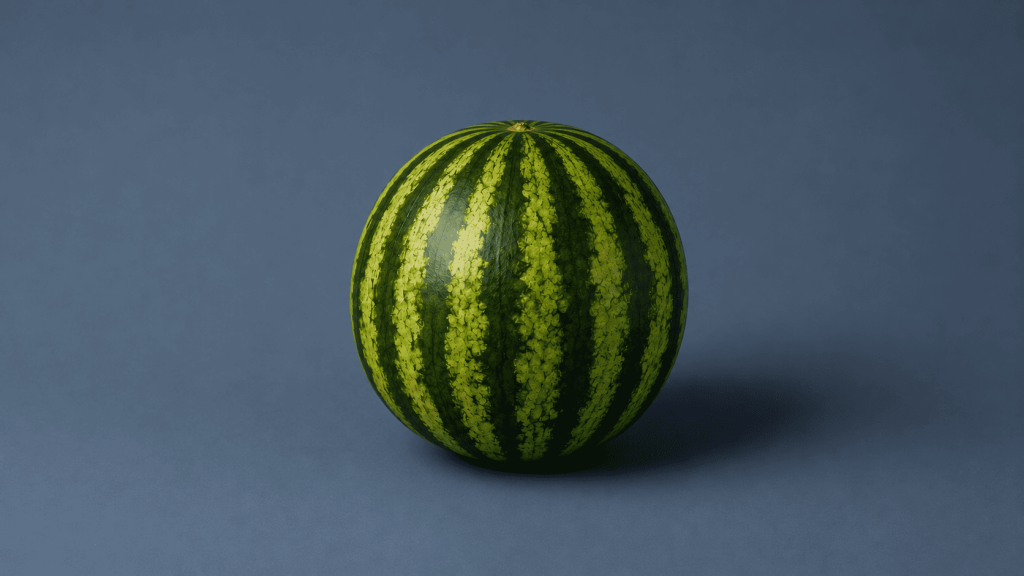
If you’ve ever caught your cat sniffing curiously at your watermelon slice on a hot summer afternoon, you’ve probably asked yourself: can cats eat watermelon?
The short answer is yes — cats can safely eat small amounts of seedless watermelon flesh. But that one-line answer hides a surprising amount of nuance that every responsible cat owner needs to understand.
From the hidden dangers lurking in the seeds and rind to the specific health conditions that make watermelon a bad idea for some cats, this guide covers everything your veterinarian would want you to know — and a few things they might not have time to mention during a 15-minute checkup.
Quick Answer: Is Watermelon Safe for Cats?
| Factor | Verdict |
|---|---|
| Watermelon flesh (seedless) | ✅ Safe in small amounts |
| Watermelon seeds | ❌ Unsafe — choking hazard + trace cyanogenic compounds |
| Watermelon rind (white/green part) | ❌ Unsafe — tough to digest, GI obstruction risk |
| Watermelon juice | ⚠️ Caution — concentrated sugar |
| Watermelon-flavored products | ❌ Unsafe — artificial sweeteners (xylitol) can be fatal |
The golden rule: Only the pink or red flesh, with all seeds removed, in portions no larger than 1 tablespoon at a time.
Why Would a Cat Even Want Watermelon?
Here’s an interesting fact that surprises most cat owners: cats cannot taste sweetness. Unlike humans (and even dogs), cats lack the functional taste receptor gene Tas1r2 that detects sweet flavors. This was confirmed in a landmark 2005 study published in PLOS Genetics.
So if your cat is drawn to watermelon, it’s not the sugar they’re after. They’re likely attracted to:
- The water content — Watermelon is 92% water, and cats are notorious for being chronically under-hydrated. Many cats are instinctively drawn to moist foods.
- The texture — The soft, slightly crunchy texture of watermelon can be appealing to cats who enjoy varied food textures.
- The temperature — A cold slice of watermelon on a hot day offers a cooling sensation.
- Curiosity — Cats are naturally curious about what their humans are eating. If you’re enjoying it, they want to investigate.
Understanding why your cat wants watermelon helps you make smarter decisions about how (and whether) to offer it.
Nutritional Breakdown: What’s Actually in Watermelon?
Before we talk about whether watermelon is good for cats, let’s look at what’s in it. Here’s the nutritional profile of 1 tablespoon (~15g) of watermelon flesh:
| Nutrient | Amount (per 15g) | Relevance to Cats |
|---|---|---|
| Calories | 4.5 kcal | Minimal impact |
| Water | 13.8g | Excellent hydration support |
| Sugar (natural) | 0.9g | Low but cats lack efficient sugar metabolism |
| Fiber | 0.06g | Negligible |
| Vitamin A | 42.8 IU | Supports vision and immune function |
| Vitamin C | 1.2 mg | Cats synthesize their own; not needed from diet |
| Potassium | 16.8 mg | Supports heart and muscle function |
| Lycopene | ~0.68 mg | Antioxidant; limited feline research |
| Citrulline | Trace | Amino acid; may support blood flow |
The Honest Truth About Nutritional Value
Let’s be straightforward: watermelon offers very little nutritional benefit to cats. Cats are obligate carnivores. Their bodies are designed to extract nutrients from animal protein and fat — not fruit. They cannot efficiently process plant-based sugars, they synthesize their own Vitamin C, and the amounts of vitamins and minerals in a tablespoon of watermelon are nutritionally insignificant compared to a balanced cat food.
The one genuine benefit watermelon offers is hydration. If your cat is a reluctant water drinker (and many are), the occasional watermelon treat can contribute a small amount of extra fluid intake. But it should never replace fresh water or a wet food diet.
The 4 Hidden Dangers of Watermelon for Cats
While the flesh is generally safe, watermelon is not without risks. Here are the dangers most cat owners overlook:
1. Watermelon Seeds — More Than Just a Choking Hazard
Watermelon seeds pose a dual threat to cats:
- Choking and intestinal blockage: A single seed may pass through without issue, but multiple seeds — especially the large black mature seeds — can accumulate and cause partial or complete intestinal obstruction in a small cat. This is a veterinary emergency.
- Trace cyanogenic glycosides: Like apple seeds and cherry pits, watermelon seeds contain small amounts of compounds that can release hydrogen cyanide when chewed and digested. While a cat would need to consume a large quantity for acute toxicity, even small amounts can cause mild GI distress.
What to do: Always use seedless watermelon varieties, and still inspect each piece before offering it. Even “seedless” watermelons contain small, white, immature seeds — these are generally soft enough to pass safely, but removing them is the safest approach.
2. The Rind — A Deceptive Danger
The watermelon rind (the white and green outer layer) is extremely difficult for cats to digest. Unlike humans who might occasionally eat pickled rind, cats’ shorter digestive tracts are not equipped to break down this tough, fibrous material.
Ingesting rind can cause:
- Vomiting
- Diarrhea
- Abdominal pain and bloating
- In severe cases, gastrointestinal obstruction requiring surgical intervention
What to do: Cut the flesh away from the rind completely. Leave a generous margin — don’t let your cat gnaw on the transition zone between flesh and rind.
3. Sugar Content — The Silent Problem
A tablespoon of watermelon contains less than 1 gram of sugar. That sounds harmless. But consider this: a 10-pound (4.5 kg) cat has a metabolic rate and body mass roughly 1/15th of an average adult human. What seems like a tiny amount of sugar to us is proportionally significant to a cat.
Regular sugar consumption in cats can contribute to:
- Obesity — Already an epidemic in domestic cats (estimated 60% of US cats are overweight or obese as of 2025 APOP data)
- Diabetes mellitus — Cats are especially prone to Type 2 diabetes, and excess sugar intake is a contributing factor
- Dental disease — Sugar promotes bacterial growth on tooth surfaces
What to do: Treat watermelon as an occasional treat, not a regular snack. The widely accepted veterinary guideline is that treats of all kinds should make up no more than 10% of a cat’s daily caloric intake. For an average indoor cat consuming 200–250 calories per day, that’s 20–25 calories — or roughly 4–5 tablespoons of watermelon at maximum. In practice, 1 tablespoon once or twice a week is plenty.
4. Watermelon-Flavored Products — The Xylitol Trap
This is the danger that catches well-meaning cat owners off guard. Watermelon-flavored candies, drinks, yogurts, and other products are not the same as fresh watermelon and should never be given to cats.
Many of these products contain:
- Xylitol (birch sugar) — Extremely toxic to cats and dogs. Can cause rapid insulin release, hypoglycemia, liver failure, and death.
- Artificial flavors and colors — Not tested for feline safety
- High fructose corn syrup — Concentrated sugar far exceeding what fresh fruit contains
- Preservatives — Some, like potassium sorbate, can cause GI irritation in cats
The rule is simple: fresh watermelon only. Never flavored products.
Which Cats Should NOT Eat Watermelon?
Even though watermelon flesh is generally safe, certain cats should avoid it entirely:
Diabetic Cats
The natural sugars in watermelon can cause blood glucose spikes. If your cat has been diagnosed with feline diabetes mellitus, avoid all fruit treats unless your veterinarian specifically approves them.
Cats with Kidney Disease (CKD)
Watermelon contains potassium. While this is a healthy mineral for most cats, cats with chronic kidney disease often have impaired potassium regulation. Adding extra potassium through treats could worsen electrolyte imbalances.
Cats with Sensitive Stomachs or IBD
Cats with inflammatory bowel disease or a history of food sensitivities may react poorly to any novel food introduction, including watermelon. The fructose content, even in small amounts, can trigger diarrhea in sensitive cats.
Kittens Under 12 Weeks
Kittens’ digestive systems are still developing. Their diet should consist exclusively of mother’s milk (or kitten formula) and, starting around 4 weeks, kitten-specific food. Watermelon offers no nutritional benefit and introduces unnecessary digestive risk.
Overweight or Obese Cats
If your cat is already above their ideal body weight, adding any calorie-containing treat — even a low-calorie one like watermelon — works against weight management goals. Focus on portion-controlled, high-protein meals instead.
How to Safely Feed Watermelon to Your Cat: Step-by-Step
If your healthy adult cat is curious about watermelon and you’d like to offer a taste, follow this protocol:
Step 1: Choose the Right Watermelon
- Buy a seedless variety from a reputable source
- Ensure the watermelon is ripe (underripe watermelon has higher concentrations of cucurbitacin, which can cause stomach upset)
- Wash the exterior thoroughly before cutting, even though you won’t be feeding the rind — bacteria on the surface can transfer to the flesh during cutting
Step 2: Prepare the Flesh
- Cut a small section of the red/pink flesh only
- Remove all visible seeds, including small white ones
- Cut away all rind and white pith — leave no green or white material
- Dice into pieces no larger than your cat’s kibble (roughly 1/4 inch cubes) to minimize choking risk
Step 3: The First-Time Introduction
- Offer a single small cube (about the size of a pea)
- Watch your cat for 24–48 hours for any adverse reactions:
- Vomiting
- Diarrhea or loose stools
- Lethargy
- Loss of appetite
- Excessive gas or bloating
- If no adverse reactions occur, you can gradually increase to 1 tablespoon portions
Step 4: Ongoing Serving Guidelines
- Maximum serving: 1 tablespoon of diced watermelon
- Maximum frequency: 2–3 times per week
- Best served: At room temperature or slightly chilled (not frozen — frozen chunks are a choking hazard for cats)
- Timing: Offer as a treat between meals, not as a meal replacement
- Storage: Refrigerate any cut watermelon and discard after 3–4 days
7 Warning Signs After Your Cat Eats Watermelon
If your cat shows any of these symptoms after eating watermelon, contact your veterinarian:
- Vomiting (especially repeated vomiting within 2–4 hours)
- Diarrhea (particularly watery or bloody stool)
- Abdominal distension or pain (your cat may hunch, avoid being touched on the belly, or vocalize)
- Refusal to eat at the next scheduled mealtime
- Excessive drooling (could indicate nausea or oral irritation)
- Lethargy or hiding (a significant behavioral change suggesting discomfort)
- Straining in the litter box (could indicate intestinal blockage from seeds or rind)
⚠️ Emergency: If your cat consumed watermelon seeds or rind and is showing signs of straining, vomiting, or abdominal distension, seek immediate veterinary care. Intestinal obstruction is a life-threatening emergency that often requires surgery.
5 Safer Alternatives to Watermelon for Cats
If you want to offer your cat hydrating or fruity treats but are concerned about watermelon’s risks, consider these vet-approved alternatives:
| Fruit/Vegetable | Why It’s a Good Alternative | Serving Note |
|---|---|---|
| Cantaloupe | Lower sugar than watermelon; cats are often attracted to the amino acid scent | Remove seeds and rind; dice small |
| Blueberries | Rich in antioxidants; very low sugar per berry; easy portion control | Offer 2–3 berries, halved |
| Steamed pumpkin (plain) | Excellent fiber source; helps with both constipation and diarrhea | 1 tsp plain canned pumpkin (NOT pie filling) |
| Cucumber | 96% water; virtually no sugar; refreshing | Peel and dice; great for hydration |
| Cooked carrots | Low calorie; beta-carotene source; soft texture when cooked | Dice small; serve plain, no seasoning |
Fruits That Are TOXIC to Cats (Never Feed These)
For completeness, here are common fruits you should never give your cat:
- 🚫 Grapes and raisins — Can cause acute kidney failure (even one grape can be dangerous)
- 🚫 Citrus fruits (oranges, lemons, limes, grapefruit) — Essential oils and psoralens are toxic
- 🚫 Cherries — Stems, leaves, and pits contain cyanogenic glycosides
- 🚫 Avocado — Contains persin, which is toxic to cats
- 🚫 Persimmon — Seeds can cause intestinal obstruction and inflammation
See the full ASPCA Toxic Foods List
Frequently Asked Questions
Can kittens eat watermelon?
No. Kittens under 12 months should stick to kitten-formulated food. Their developing digestive systems are not equipped to handle fruit sugars, and watermelon offers zero nutritional benefit for growing kittens. After 12 months, healthy adult cats can have small amounts following the guidelines above.
Can cats eat frozen watermelon?
It’s not recommended. Frozen watermelon chunks are hard and can pose a choking hazard for cats, who tend to bite and swallow without thoroughly chewing. If you want to offer a cool treat, serve watermelon chilled but not frozen, or mash it slightly to soften the texture.
Can cats drink watermelon juice?
In very small amounts, technically yes, but it’s not advisable. Watermelon juice concentrates the sugar content while removing the fiber. A few licks won’t cause harm, but deliberately offering juice provides concentrated sugar with no nutritional upside. Stick to plain water for hydration.
How much watermelon can a cat eat per day?
No more than 1 tablespoon of diced, seedless flesh per serving, and no more than 2–3 servings per week. Remember the 10% rule: all treats combined should not exceed 10% of your cat’s daily caloric intake.
My cat ate watermelon seeds — should I panic?
Don’t panic, but do monitor. A few accidentally ingested seeds will likely pass through without issue. Watch for signs of GI distress (vomiting, diarrhea, straining, lethargy) over the next 24–48 hours. If you notice any of these symptoms or if your cat consumed a large number of seeds, contact your veterinarian.
Is watermelon good for cat hydration?
It can help marginally. At 92% water content, watermelon does contribute a small amount of fluid. However, it should never replace fresh water or a moisture-rich diet (wet/canned food). Cats who are chronically dehydrated need veterinary evaluation and dietary adjustments — not fruit.
Can cats eat yellow watermelon?
Yes, with the same precautions as red/pink watermelon. Yellow watermelon has a similar nutritional profile and the same risks. Remove all seeds and rind, dice small, and serve in moderation.
Do cats benefit from the lycopene in watermelon?
The evidence is insufficient. Lycopene is an antioxidant that has shown health benefits in human studies (particularly for cardiovascular and prostate health). However, there is no robust clinical research demonstrating lycopene benefits in cats. Their obligate carnivore biology processes nutrients very differently from omnivores.
The Bottom Line
Can cats eat watermelon? Yes — but should they? That’s the more important question.
Watermelon is not toxic to cats, and the flesh (seedless, rind-free) is safe as an occasional treat. But it provides virtually no nutritional value for obligate carnivores, and it comes with legitimate risks if served improperly.
If your cat shows interest and you want to share:
- ✅ Offer tiny amounts (1 tablespoon max) of seedless, rind-free flesh
- ✅ Treat it as an occasional novelty, not a dietary staple
- ✅ Monitor for adverse reactions the first time
- ❌ Never feed seeds, rind, or watermelon-flavored products
- ❌ Avoid giving watermelon to diabetic, CKD, or overweight cats
Your cat’s health depends on a species-appropriate diet built on high-quality animal protein. Watermelon is, at best, a harmless summer indulgence — and at worst, a trip to the emergency vet if the wrong parts are consumed.
When in doubt, consult your veterinarian. They know your cat’s specific health profile and can give personalized guidance no blog post can replace.
This article is for informational purposes only and does not constitute veterinary medical advice. Always consult a licensed veterinarian before introducing new foods to your cat’s diet.